

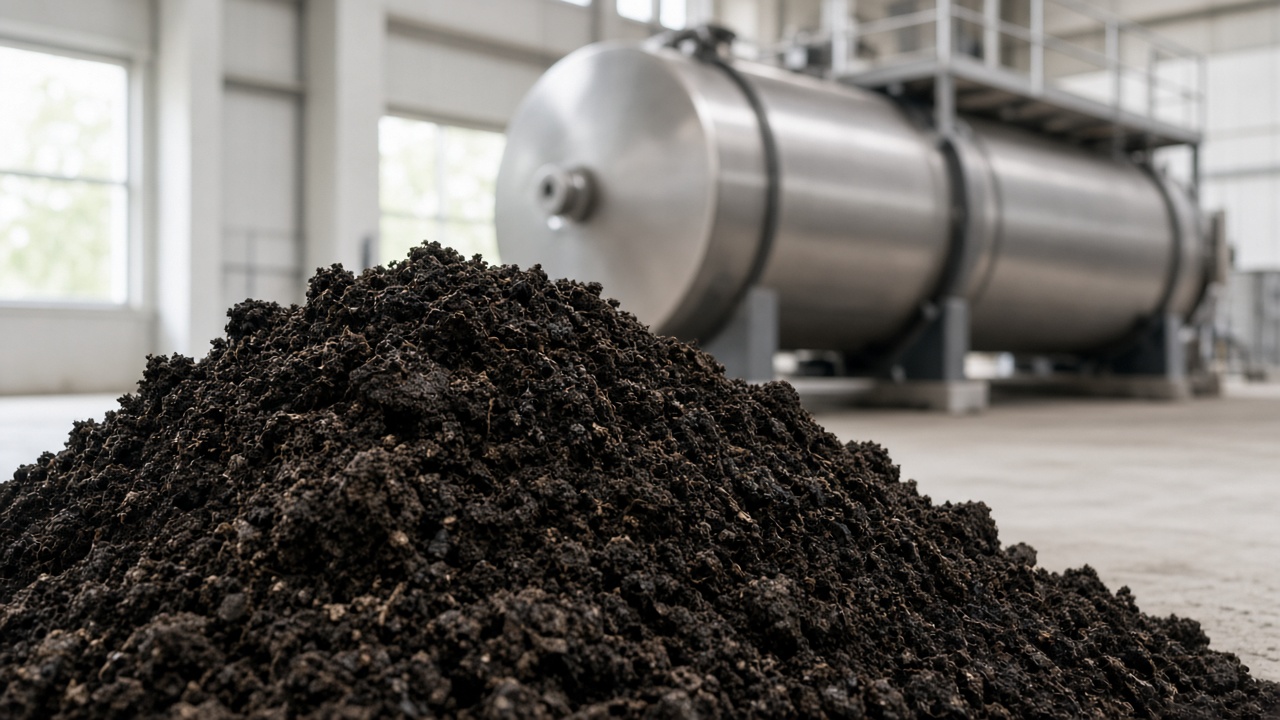
Compost is a dark, crumbly, humus-like material formed when microorganisms break down organic matter such as food scraps, fruit and vegetable waste and yard trimmings in the presence of oxygen.
Compost is a dark, earthy-smelling, humus-like material formed when bacteria and fungi break down organic matter such as food scraps, fruit and vegetable waste and yard trimmings in the presence of oxygen (aerobic decomposition). During the process the temperature rises to 55–65 °C, reducing pathogens. Mature compost improves soil structure, water retention and organic matter content.
Most of the organic waste coming out of kitchens, gardens and food production does not have to end up as trash; it can become a valuable soil amendment. In this guide you will learn how compost forms, which temperature, moisture and C/N ranges keep the process healthy, what can and cannot go into compost, how home composting differs from industrial composting and how long maturation takes. We also answer the questions we hear most often during site surveys.
How Does Compost Form?
Composting is a biological process in which microorganisms break down organic matter using oxygen. Bacteria, fungi and actinomycetes use carbon for energy and nitrogen for growth, releasing heat, water vapor and carbon dioxide along the way. The process runs through four consecutive phases.
- Mesophilic start Easily degradable sugars and proteins are broken down and the temperature starts climbing quickly above ambient.
- Thermophilic phase The temperature reaches 55–65 °C. Holding it above 55 °C for several days greatly reduces pathogens and weed seeds.
- Cooling As the easily degradable material runs out, the temperature drops and fungi that break down tougher compounds such as cellulose and lignin take over.
- Curing (maturation) A humus-like structure develops; the material darkens, becomes crumbly and starts to smell like soil.
Industrial systems speed up these phases with controlled temperature, aeration and mixing. For the details, see our article on how an industrial compost machine works.
What Conditions Does Composting Need?
Microorganisms work efficiently only when four basic parameters are in balance: the carbon-to-nitrogen ratio, moisture, oxygen and temperature. If any one of them drifts out of range, the process slows down or starts to smell.
| Parameter | Target range | If it drifts |
|---|---|---|
| C/N ratio | 25–30:1 (acceptable 20–40:1) | Too low means ammonia odor, too high means slow decomposition |
| Moisture | 50–60% | Too wet creates oxygen-free pockets and odor, too dry stalls microbial activity |
| Oxygen | Above 5% | Anaerobic decomposition and foul odors |
| Temperature | 55–65 °C in the thermophilic phase | If it stays low, hygienization is insufficient |
The most common mistake we see in the field is composting wet, nitrogen-rich material such as food waste on its own. A carbon-rich bulking agent like dry leaves or sawdust balances both the C/N ratio and the moisture. For mixing calculations, read our guide to the C/N ratio in composting.
What Can You Put in Compost?
Compost feedstocks fall into nitrogen-rich “greens” and carbon-rich “browns.” Food scraps, fruit and vegetable peels, coffee grounds and grass clippings are greens; dry leaves, straw, sawdust and paper napkins are browns. A good mix balances the two.
Sawdust, at 200–500:1, does not fit on the chart; even a small amount noticeably shifts a mix toward carbon.
- Suitable: vegetables, fruit, bread, cooked food scraps, coffee grounds and tea leaves, leaves, grass.
- Limited: meat, bones and greasy food; they cause odor and pest problems in home composting but can be processed under controlled conditions in closed, heated machines.
- Not suitable: plastic, glass, metal, packaging, batteries, medicines and chemicals.
Home Composting vs Industrial Composting
The biology of composting is the same at every scale; the difference is how tightly the process is controlled. In a backyard bin, temperature, moisture and aeration depend largely on the weather and on how often the pile is turned. In closed industrial systems, sensors and automation manage these parameters.
| Criterion | Home composting | Closed industrial system |
|---|---|---|
| Scale | Household, small quantities | From tens of kilograms to many tons per day |
| Temperature control | None, depends on the weather | Heated and controlled |
| Aeration and mixing | Manual turning | Automatic |
| Meat and greasy waste | Not recommended | Can be processed under controlled conditions |
| Duration | Usually months | 24–48 hours in the machine, then a few weeks of curing |
| Odor and pests | Hard to manage | Reduced thanks to the closed vessel |
Tip: For businesses generating more than a few kilograms of organic waste per day, home-scale solutions fall short. To choose the right scale, weigh your waste for several days first and determine the daily average.
What Are the Benefits of Compost?
Compost is a soil amendment: it adds organic matter, improves crumb structure and water retention, and supports soil life. It does not fully replace chemical fertilizer, but it creates a healthy soil base that makes fertilizer work better.
The environmental benefit matters too. In a landfill, organic waste decomposes without oxygen and, according to the US EPA, produces landfill gas that is roughly half methane and half carbon dioxide. According to IPCC AR6, methane has a 100-year global warming potential about 27–30 times that of carbon dioxide. Composting waste aerobically largely prevents this methane formation.
- Less waste volume and fewer transport runs
- Support for the separate management of biodegradable waste required under Turkey's Zero Waste Regulation
- A material that can be used on site for landscaping, agriculture and greenhouses
We cover the options for different applications in our article on how to use compost output.
How Long Does Compost Take to Mature?
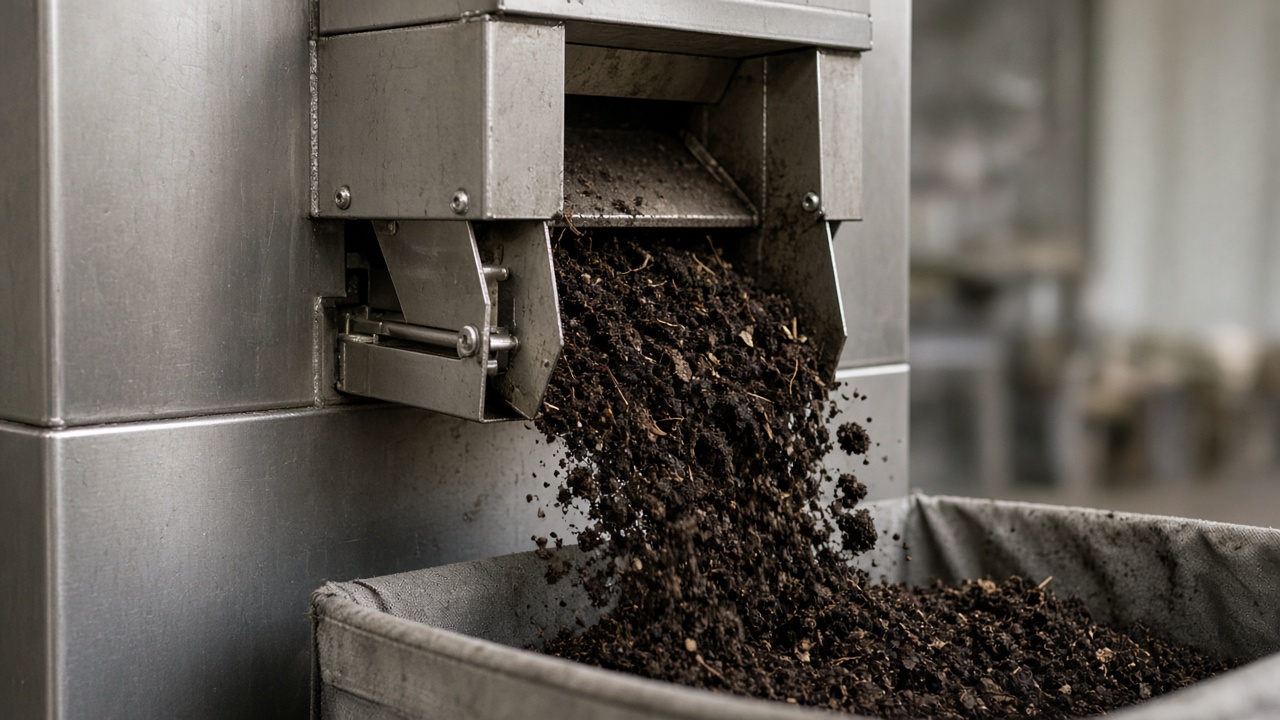
The time depends on the method and the feedstock. Unmanaged open piles and home compost usually take months. In controlled closed systems the intensive decomposition phase is much faster: kitchen waste with balanced moisture typically becomes a stable pre-compost material in the machine within 24–48 hours, while fatty or irregular feeding can push this beyond 48–72 hours.
Signs of mature compost include a temperature close to ambient, a dark and crumbly texture, an earthy smell and a C/N ratio below 20. We explain how to run these checks step by step in our article on how to tell if compost is mature.
Warning: Immature compost can damage plant roots and temporarily tie up nitrogen in the soil. Before using machine output, especially on sensitive plants, let it cure for a few weeks depending on the intended use.
How ReBorn Cycle Machines Produce Compost?
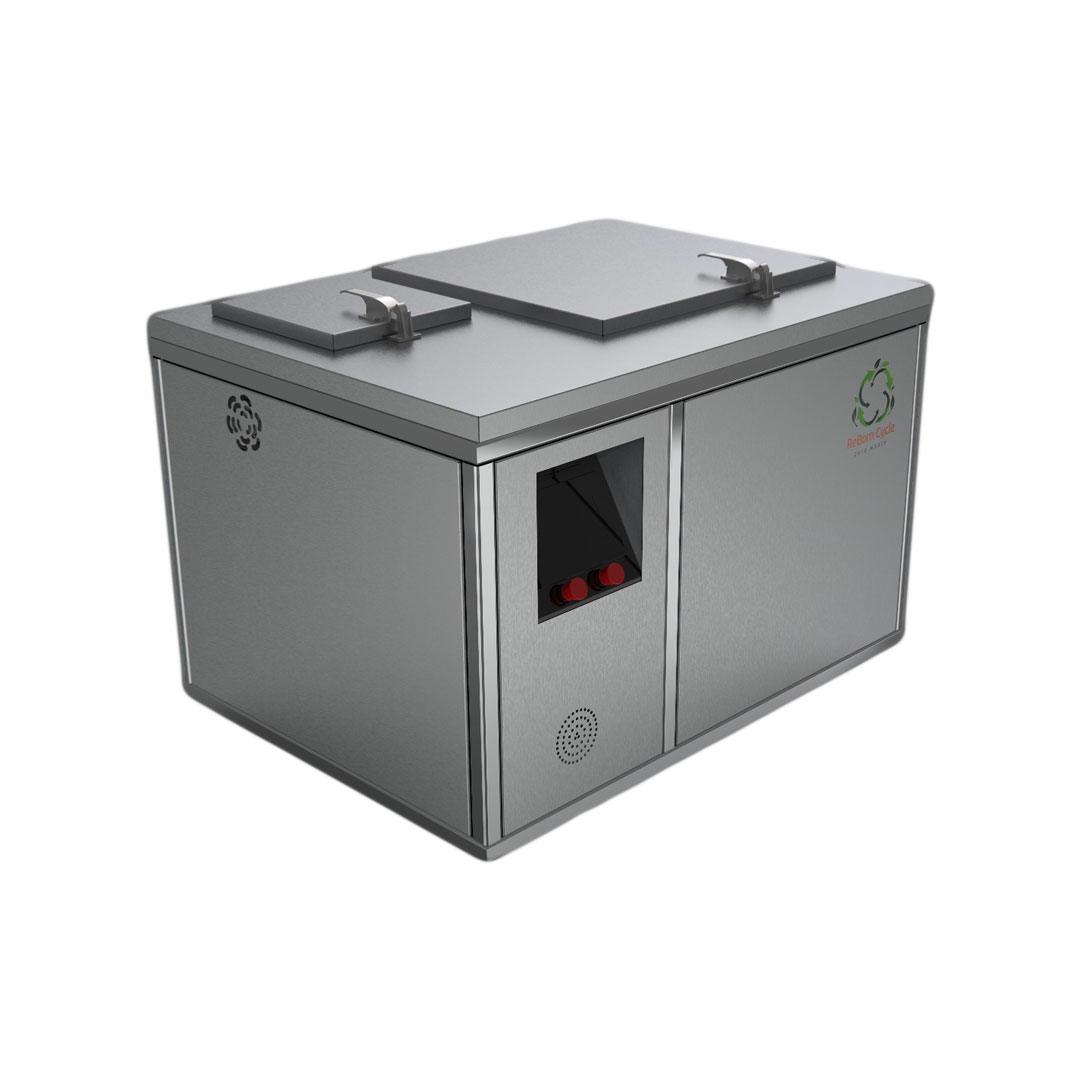
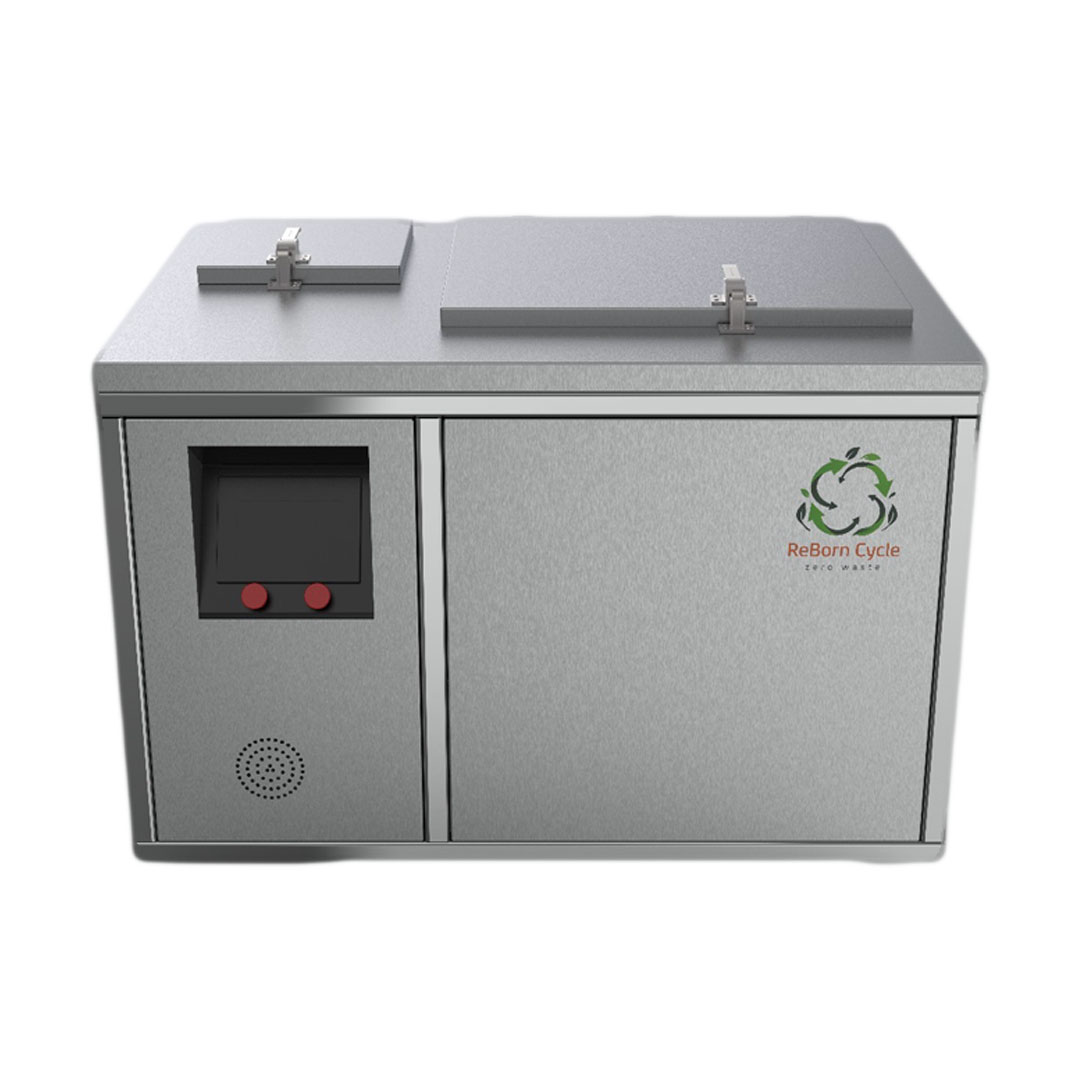
ReBorn Cycle compost machines are closed in-vessel systems: temperature, aeration and mixing are controlled inside the drum. This means thermophilic conditions are reached regardless of the weather, and odor and hygiene risks are reduced.
For restaurants, cafés and boutique hotels generating around 25 kg of waste per day, the RBN-C25 Compost Machine is a sensible starting point; for hospitals, shopping malls and mid-size facilities, the RBN-C100 Compost Machine handles 100 kg/day. In our installations, the feeding routine gets the most attention: spreading the waste over the day and removing foreign materials shortens the cycle.
The material leaving the machine is a stabilized, hygienized pre-compost or compost material. For applications that require fully mature compost, we recommend a curing period of a few weeks. Site surveys, installation, operator training and after-sales service are handled by our in-house engineering team in Turkey.
Frequently asked questions
What is compost used for?
Compost increases the organic matter content of soil and improves its structure and water-holding capacity. It is used as a soil amendment in gardens, landscaping, agriculture and greenhouses. It also keeps organic waste out of landfills, reducing methane emissions and the need for waste transport.
Is compost a fertilizer?
Compost is more of a soil amendment than a fertilizer in the strict sense. It contains plant nutrients, but in lower and more variable amounts than chemical fertilizers. The best results come from using compost to improve soil structure and covering nutrient needs based on a soil test.
What should not go into compost?
Plastic, glass, metal, packaging, batteries, medicines and anything containing chemicals must stay out of compost. In home composting, meat, bones and greasy food are also not recommended because of odor and pests; these can be processed under controlled conditions in closed, heated industrial machines.
Why does compost smell bad?
Bad odor usually comes from a lack of oxygen. When moisture rises above 60% or the mix is not aerated enough, anaerobic decomposition begins. An ammonia smell signals a C/N ratio that is too low, meaning excess nitrogen; adding dry, carbon-rich material and mixing usually fixes the problem.
What temperature does compost reach?
In the thermophilic phase of composting, the temperature rises to 55–65 °C. To reduce pathogens, the material should be held at 55 °C or above for several days. During curing, microbial activity slows down and the temperature gradually returns to near ambient levels.
Which regulations apply to compost in Turkey?
In Turkey, the Compost Communique (Kompost Tebligi) sets technical and quality criteria for compost facilities and products, while the Zero Waste Regulation requires separate collection of biodegradable waste in many facility types. Because regulations can change, check the current text before implementation, and check local rules if you operate in another country.
Contact us for a site survey and capacity recommendation, and we will work out the compost solution that fits your organic waste profile.