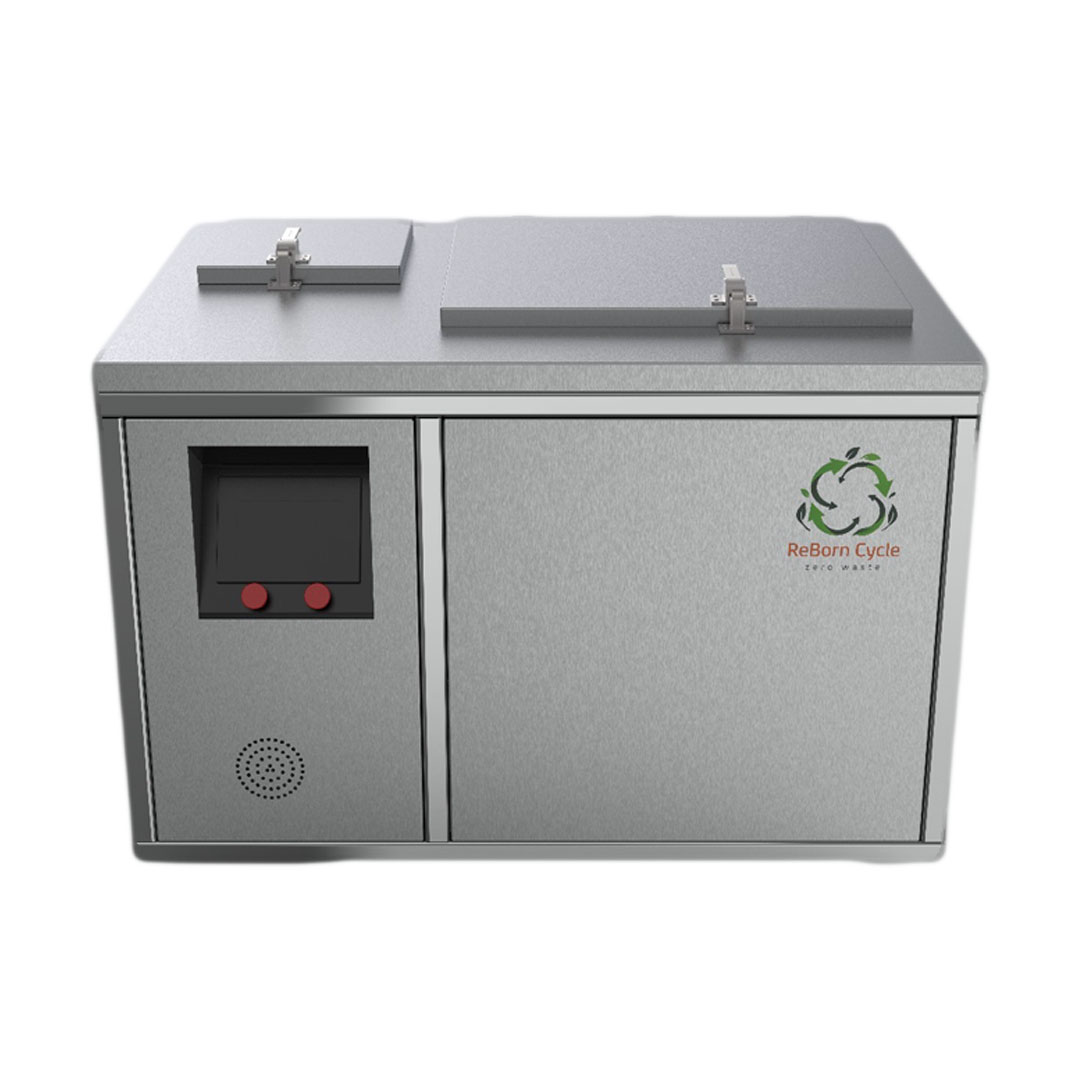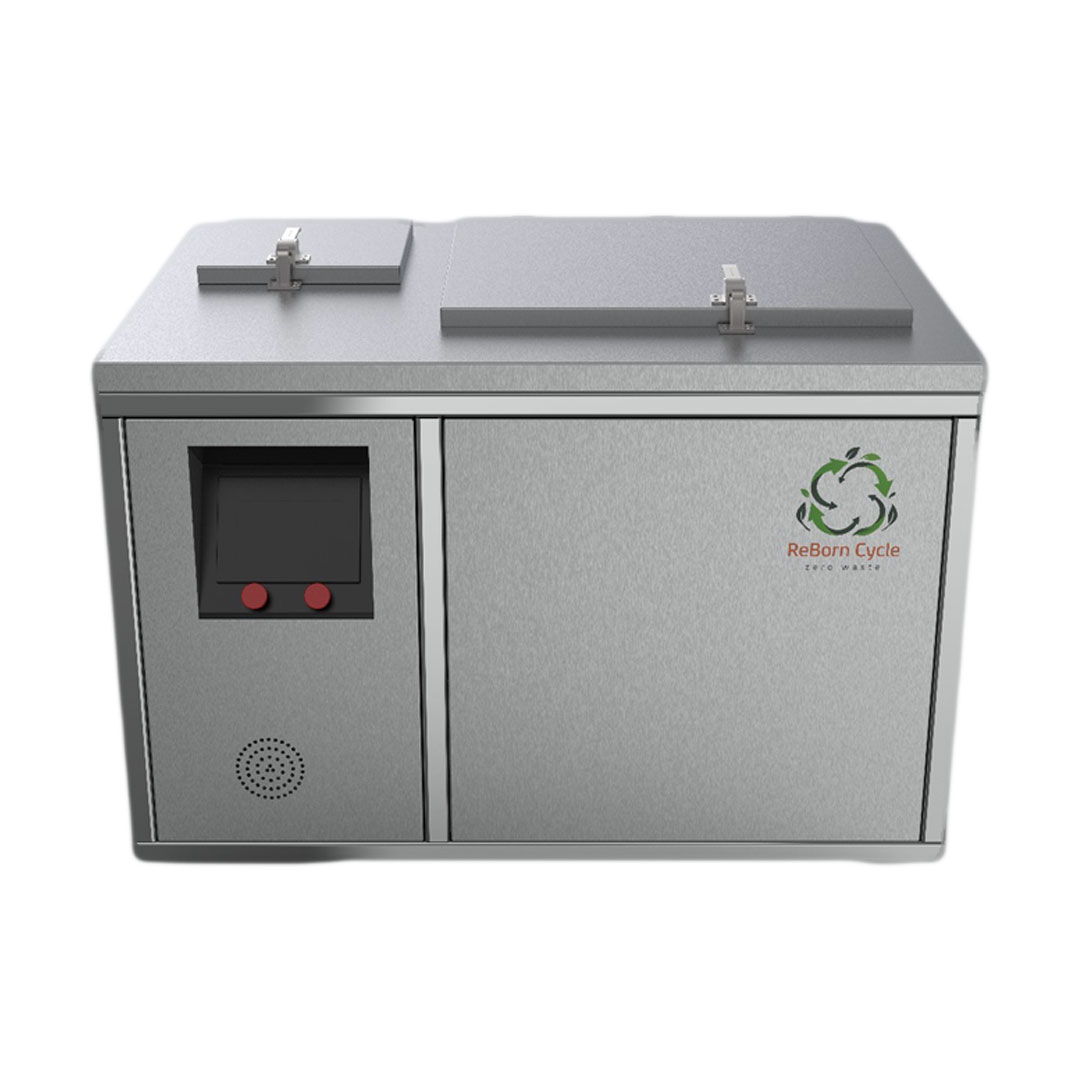


An industrial compost machine processes organic waste in a closed vessel with heating, aeration, and mixing to produce stabilized compost material with reduced volume in roughly one to two days.
A compost machine is industrial equipment that runs aerobic composting inside a closed, heated, aerated vessel with active mixing. With balanced feeding, kitchen waste often becomes a stable, lower-odour pre-compost in 24–48 hours; a few weeks of curing is usually recommended before demanding horticultural use.
Search results lump garden bins and tonne-scale plants under the same phrase, which leads to capacity mistakes. Here we define the industrial closed compost machine, contrast it with open windrows and home units, and outline who typically buys one. For the full operating sequence, see how an industrial compost machine works; we do not repeat that process walkthrough here.
What Problem Does a Compost Machine Solve?
For facility managers the priority is usually predictable, hygienic handling of kitchen organics, not hobby-scale gardening. When tens or hundreds of kilograms of food waste accumulate daily, open windrows and small domestic bins raise odour, pest, and neighbour issues; cold or wet weather stretches timelines.
A compost machine keeps waste in a closed tank where temperature, moisture, oxygen, and mixing are treated as process variables. Thermophilic conditions in the 55–65 °C band support pathogen suppression. The output is stabilized pre-compost suitable as a soil amendment after curing where needed. Basic compost biology is summarized in what compost is.
The unit also cuts haulage volume and frequency; many site types must separate biodegradable waste under zero-waste rules. In surveys we most often see the mistake of picking a model before measuring kg/day averages.
How Do Open Windrows, Bins, and Machines Compare?
All three routes use the same microbiology; control and scale differ. Windrows depend on weather, home bins suit households, and industrial machines target continuous feeding in commercial kitchens and public buildings.
| Feature | Open windrow | Home bin | Industrial compost machine |
|---|---|---|---|
| Typical daily scale | Variable, needs land | A few kg | From 25 kg/day to 20 t/day models |
| Temperature control | Weather-driven | Limited | Heated and monitored |
| Odour and visibility | High risk | Medium risk | Lower with closed vessel |
| Fatty kitchen waste | Difficult | Not advised | Feasible with controlled feeding |
| Typical active time | Months | Weeks to months | 24–48 hours in vessel |
The garden-versus-plant scale split is detailed in the home vs industrial compost machine article. Open windrows are rarely acceptable next to hotel or hospital guest areas.
Tip: Weigh waste for three days before deciding; peak days can run 30–50 % above average. Size for peak load and maintenance windows, not average alone.
What Happens in 24–48 Hours in a Closed Machine?
Feedstock is shredded if needed, then blended with carbon-rich amendment to hold moisture near 50–60 % and C/N near 25–30:1. Aerobic microbes oxidize carbon, releasing heat until the vessel reaches thermophilic range. Mixing maintains oxygen and homogeneity.
- Pre-treatment Remove plastics and metals; reduce particle size when required.
- Active phase With balanced kitchen waste, many installs reach a dark, stable mass within 24–48 hours.
- Discharge and cure Material goes to a curing bay or bags; weeks of maturation may follow for landscaping or greenhouse use.
Fatty or irregular feeding can exceed 48–72 hours; moisture outside target ranges increases odour risk. Sensor cycles, mixing, and discharge are covered in how industrial compost machines work; we do not duplicate that sequence here.
Which Facilities Typically Buy Compost Machines?
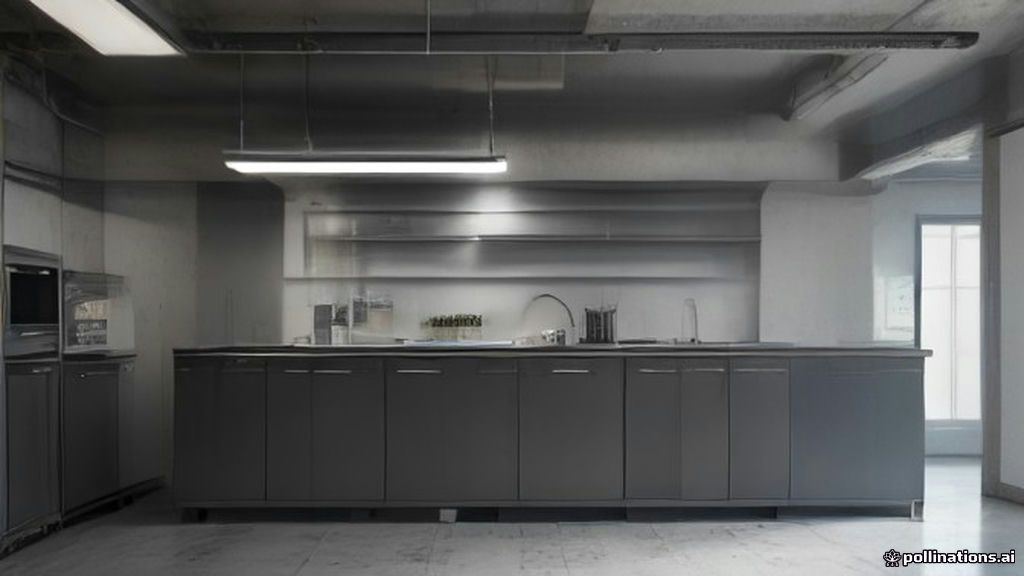
Buyers combine daily organic tonnage, space limits, and odour sensitivity. Site surveys routinely include hotel and hospital kitchens, mall food courts, school canteens, and municipal pilots; mid-size food plants often evaluate compact units beside the line. Service corridors or basement plant rooms are common when guest areas are nearby.
Municipalities frequently start with a 500–1,000 kg/day pilot before scaling to a central plant. Corporate campuses pair on-site treatment with weigh-and-record systems for zero-waste audits. Practical benefits are summarized in what a compost machine is for.
Capacity should follow your own weigh data; a 200-room hotel often lands in an 80–150 kg/day band depending on F&B style, not sector averages alone.
How Are ReBorn Cycle Compost Machines Deployed on Site?
ReBorn Cycle units are closed in-vessel systems: stainless steel tanks with controlled heat, aeration, and mixing. The engineering team reviews waste profile, utilities, drainage, and staff routes during survey; operator training and after-sales service follow commissioning.
For roughly 100 kg/day from hospitals, mall kitchens, or campus dining, the RBN-C100 Compost Machine is a common entry point. Larger hotel complexes, plants, or municipal pilots near 250 kg/day often specify the RBN-C250 Compost Machine for headroom. Consulting covers waste analysis and line layout; operator training is delivered with hygiene protocols at startup.
Recording door width, floor load, drains, and ventilation before survey shortens site visits. Land-application paths should be planned with local compost product rules and curing time.
Should You Choose a Compost Machine or a Feed Machine?
In search language, "compost feed machine" can mean two different goals. A compost machine targets soil amendment; a feed machine targets animal feed material from suitable food waste. Catering waste fed to livestock is regulated in Turkey under Ministry of Agriculture and Forestry rules—verify current texts before any feed route.
Most ESG-led sites start with composting; feed lines add hygiene and approval steps. Decide first whether waste is plate scrap or production surplus, and who will consume the output; the two technologies follow different compliance paths.
Warning: Clinical waste, pharmaceuticals, and chemicals must never enter a compost machine. Hospital projects use meal-waste streams only, kept separate from clinical routes.
Frequently asked questions
Is a compost machine the same as a garden compost bin?
No. A garden bin handles a few kilograms per day with manual turning. An industrial compost machine is a heated, aerated, automatically mixed closed system sized for tens to thousands of kilograms per day and aims to hold thermophilic temperatures.
Can machine output go straight onto fields?
Output is usually hygienized pre-compost. Many uses need weeks of curing before full-rate application. Sensitive crops warrant maturity checks rather than immediate heavy dosing.
How much electricity does a compost machine use?
Consumption depends on model, shift pattern, and ambient temperature; use project-specific nameplate data rather than generic claims. Budgeting should include mixing motors, fans, and heating across operating hours.
Which compost machine fits 100 kg of waste per day?
Around 100 kg/day average often points to a 100 kg/day class unit, with 15–25 % headroom for peaks and maintenance. Final choice still depends on waste density and space.
Do compost machines smell?
Closed vessels with balanced moisture and steady feeding usually smell far less than open windrows. Wet, anaerobic pockets can still produce ammonia or putrid odours until mixing and carbon balance are corrected.
Do you need a permit before buying a compost machine?
Requirements depend on site type, installed capacity, and how output is used. Compost product rules and waste law vary—confirm with local authorities and current national compost regulations before investment.
Choosing Compost Machine Capacity with Data
A compost machine is on-site, closed organic treatment—not a scaled-up garden bin. Decisions firm up when you know daily kg/day weights, peak-day margin, and installation constraints. Selecting a model before those three numbers exist usually skews both capacity and budget.
Write down waste profile and intended output (landscape, greenhouse, municipal compost) before quoting equipment. High odour sensitivity sites benefit from early ventilation and feeding-hour design.
If weights are still unknown, run a short kitchen weigh period first. Then book a free site survey or use the online capacity selector for an initial model shortlist based on your measurements.