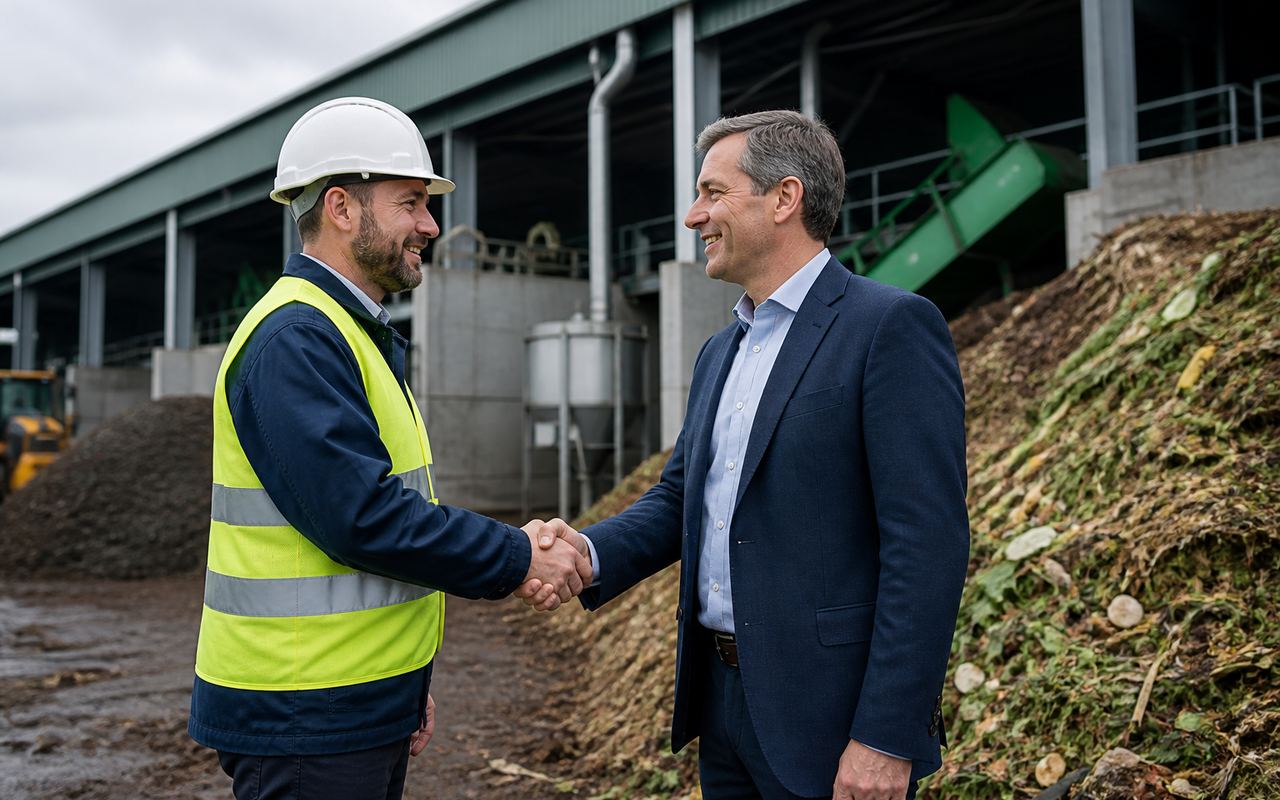
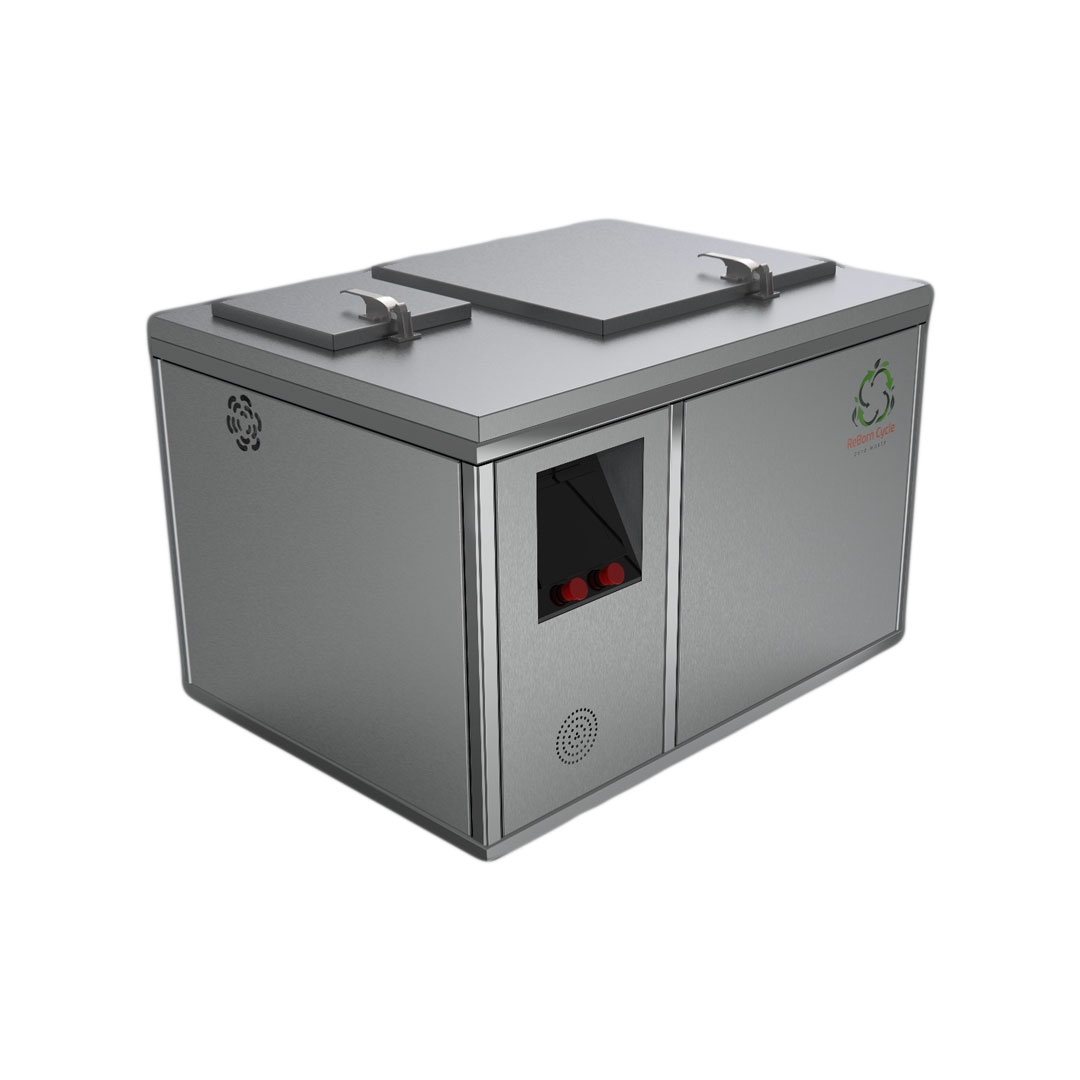
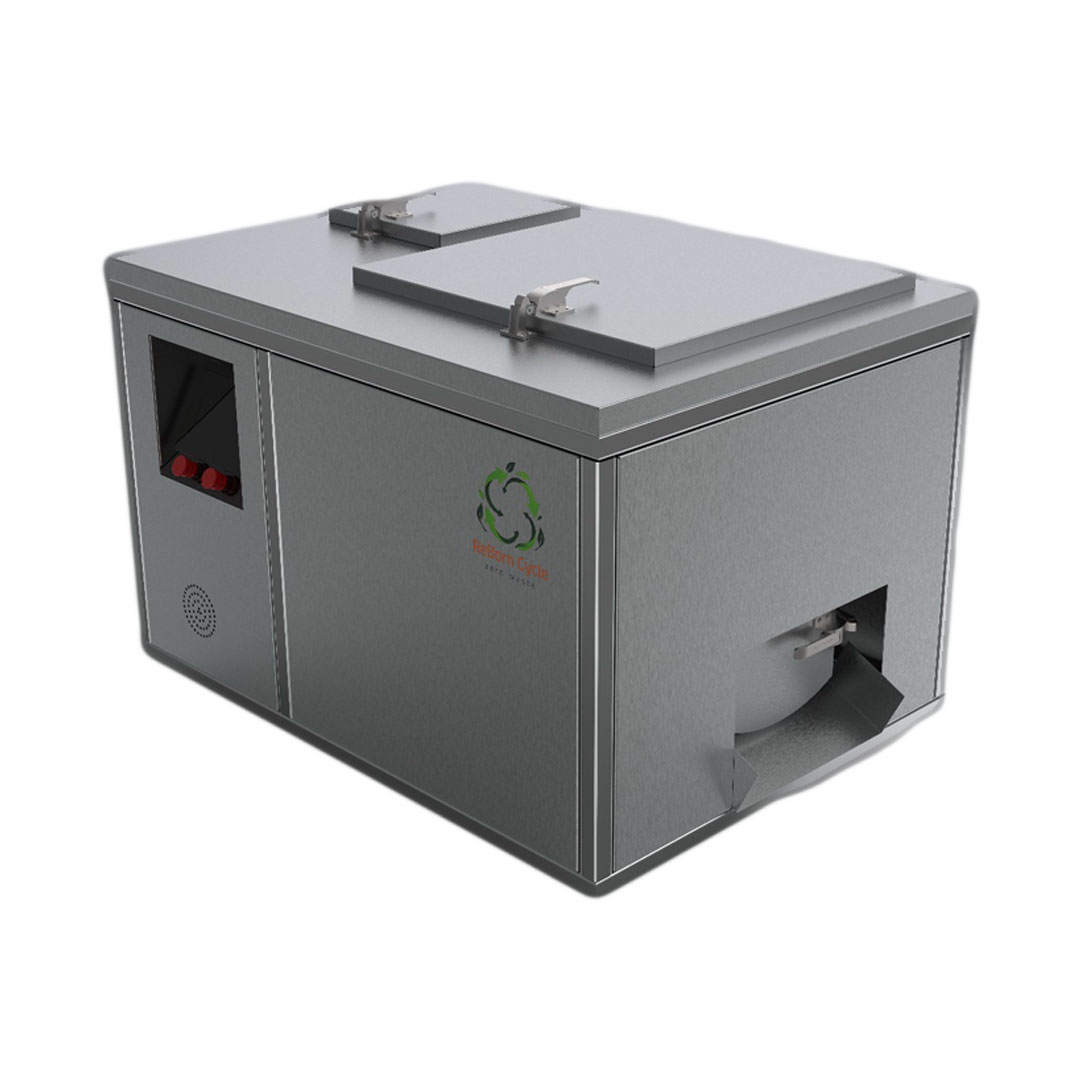
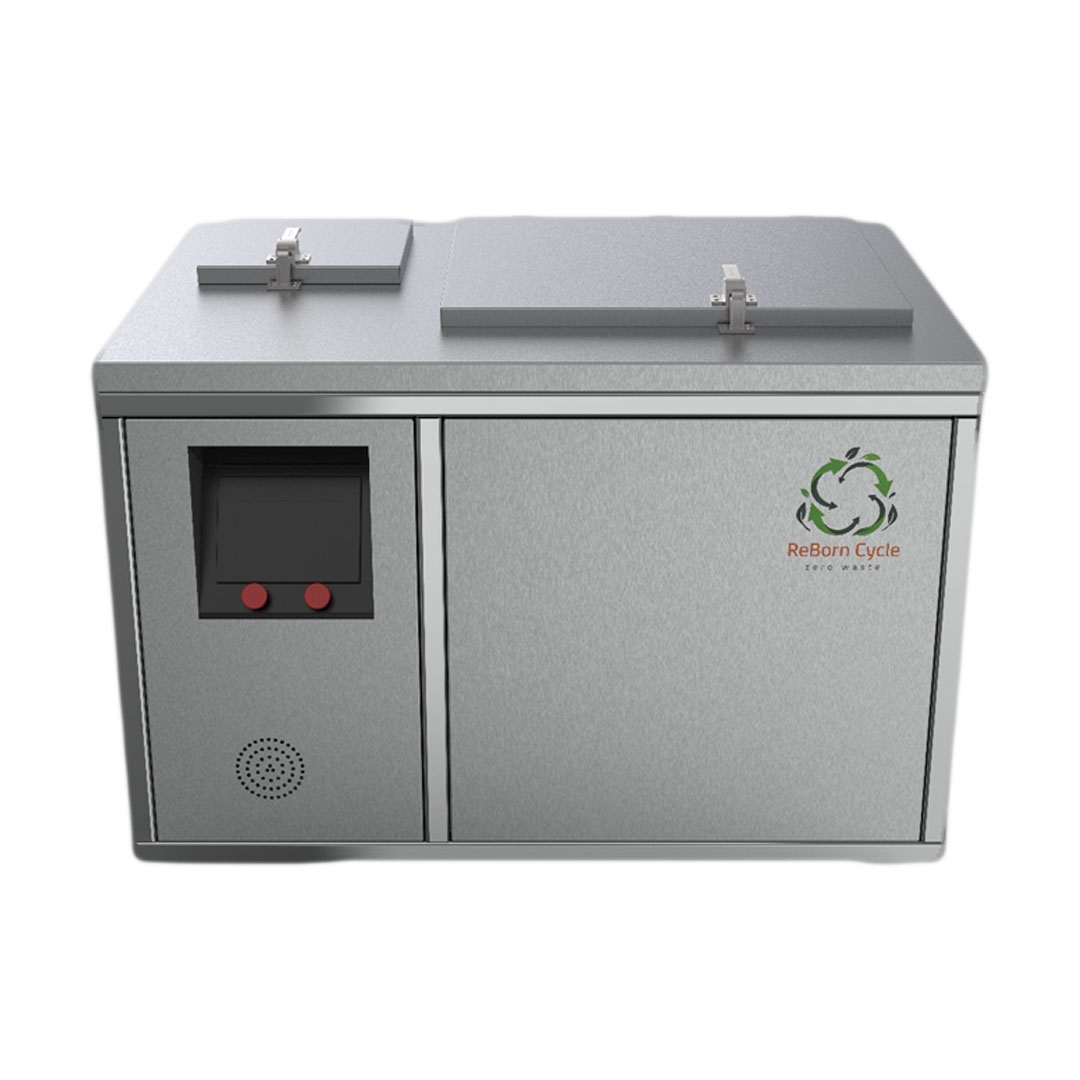
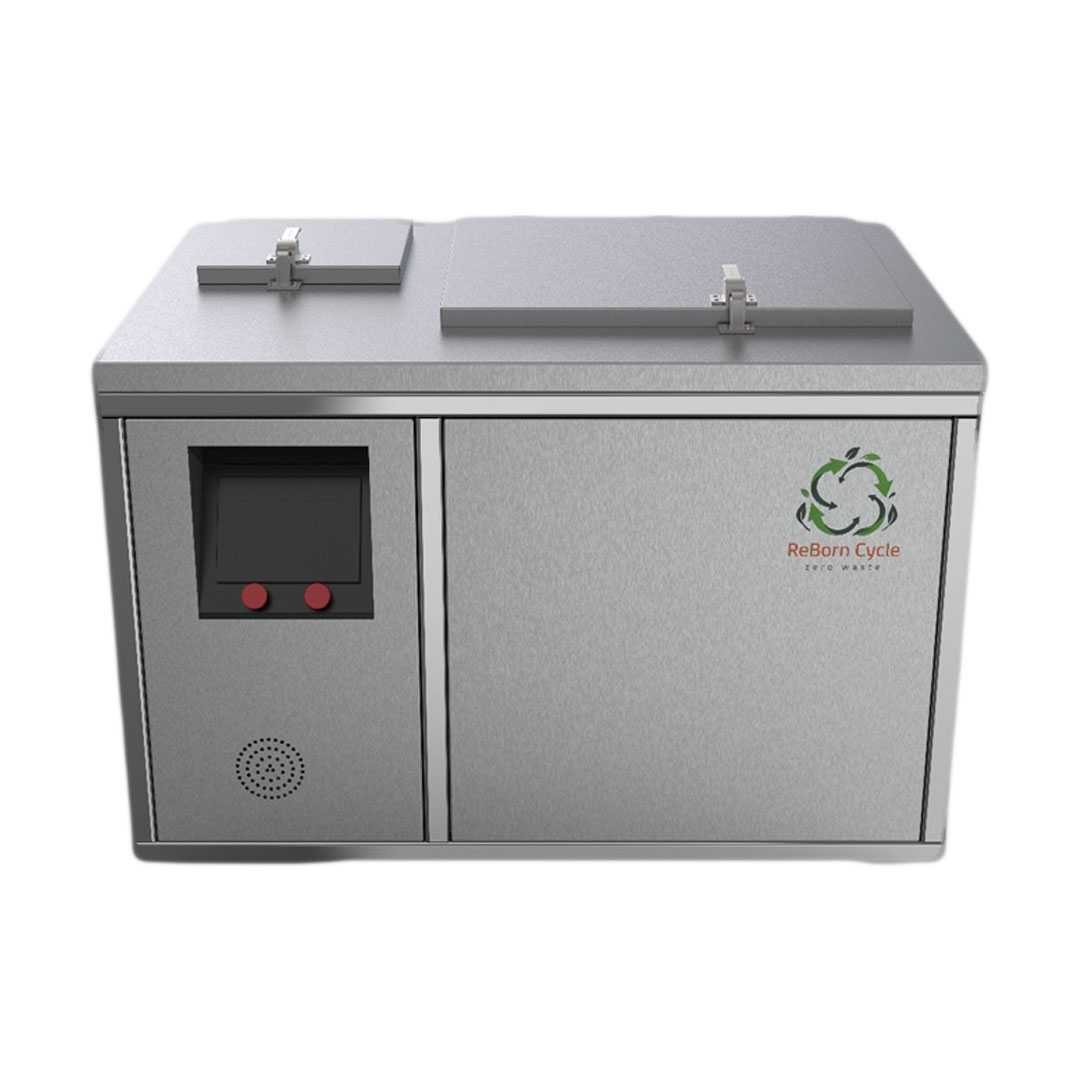
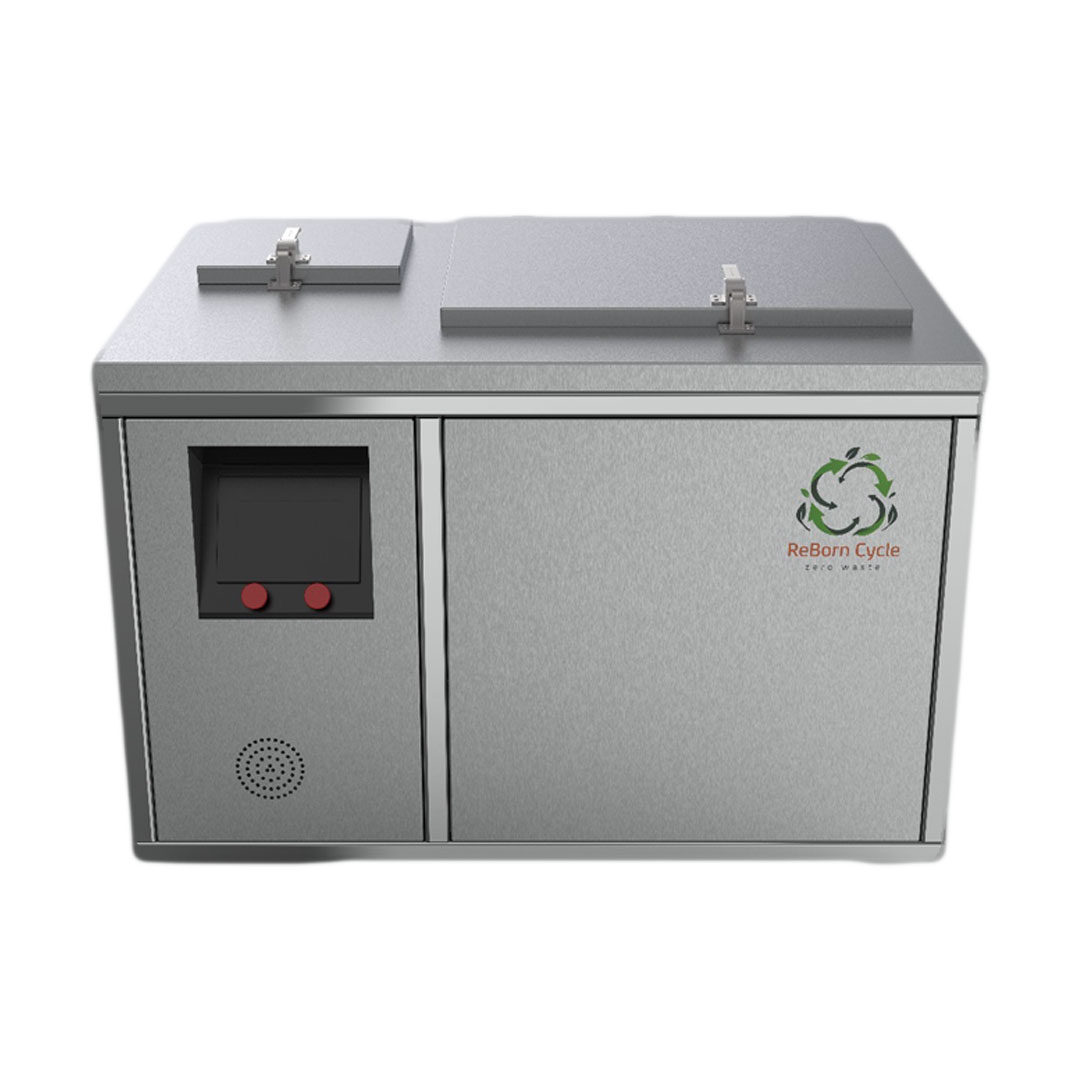
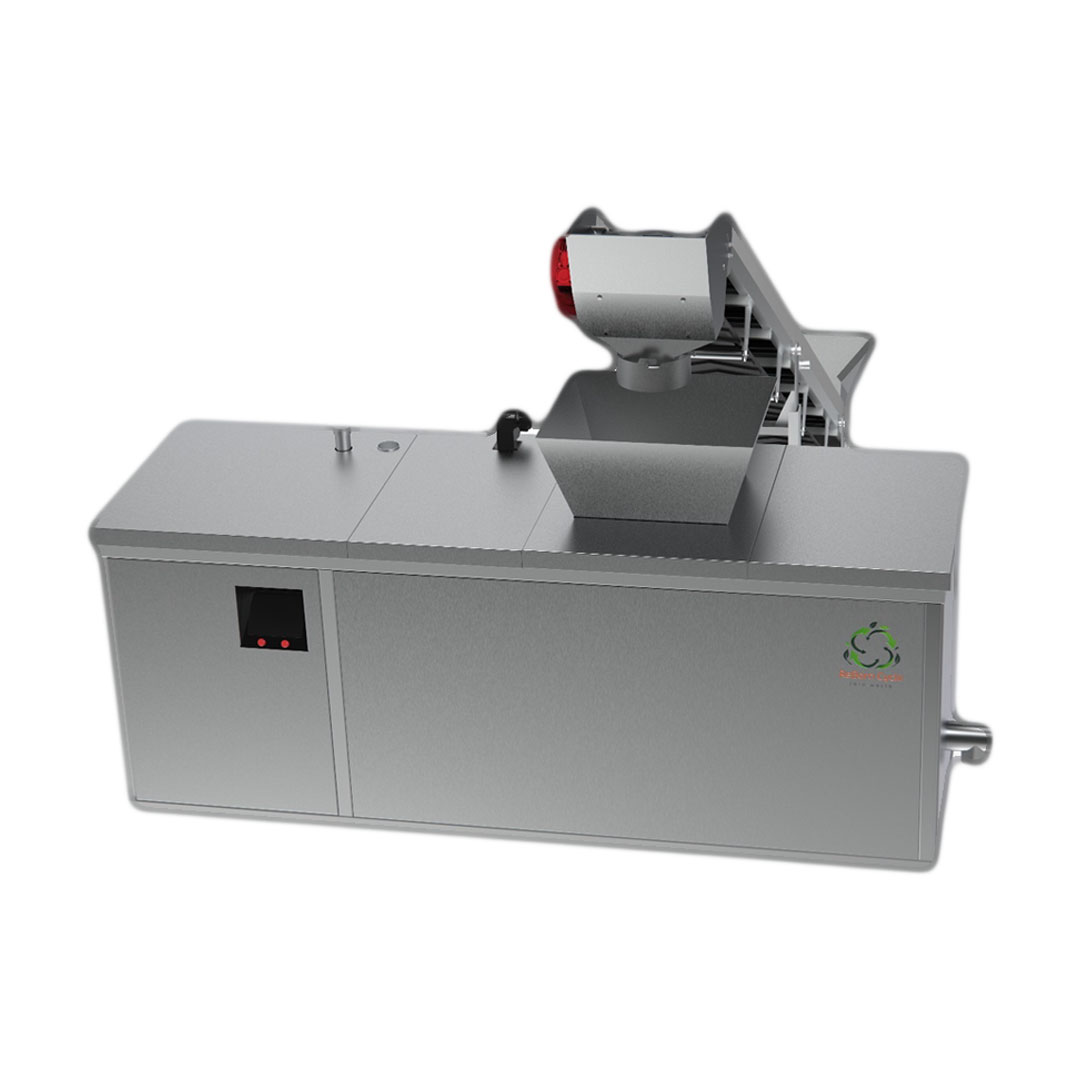
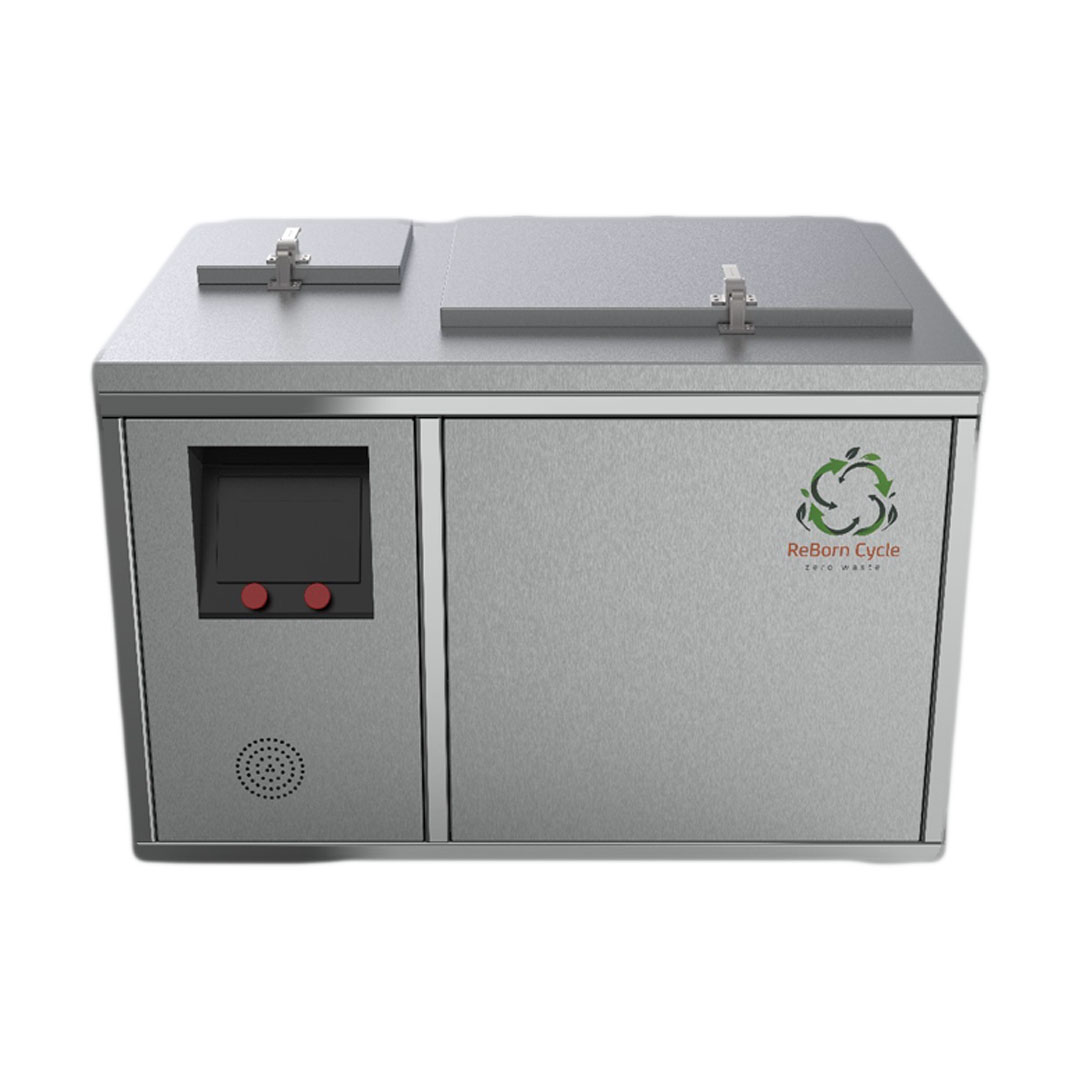
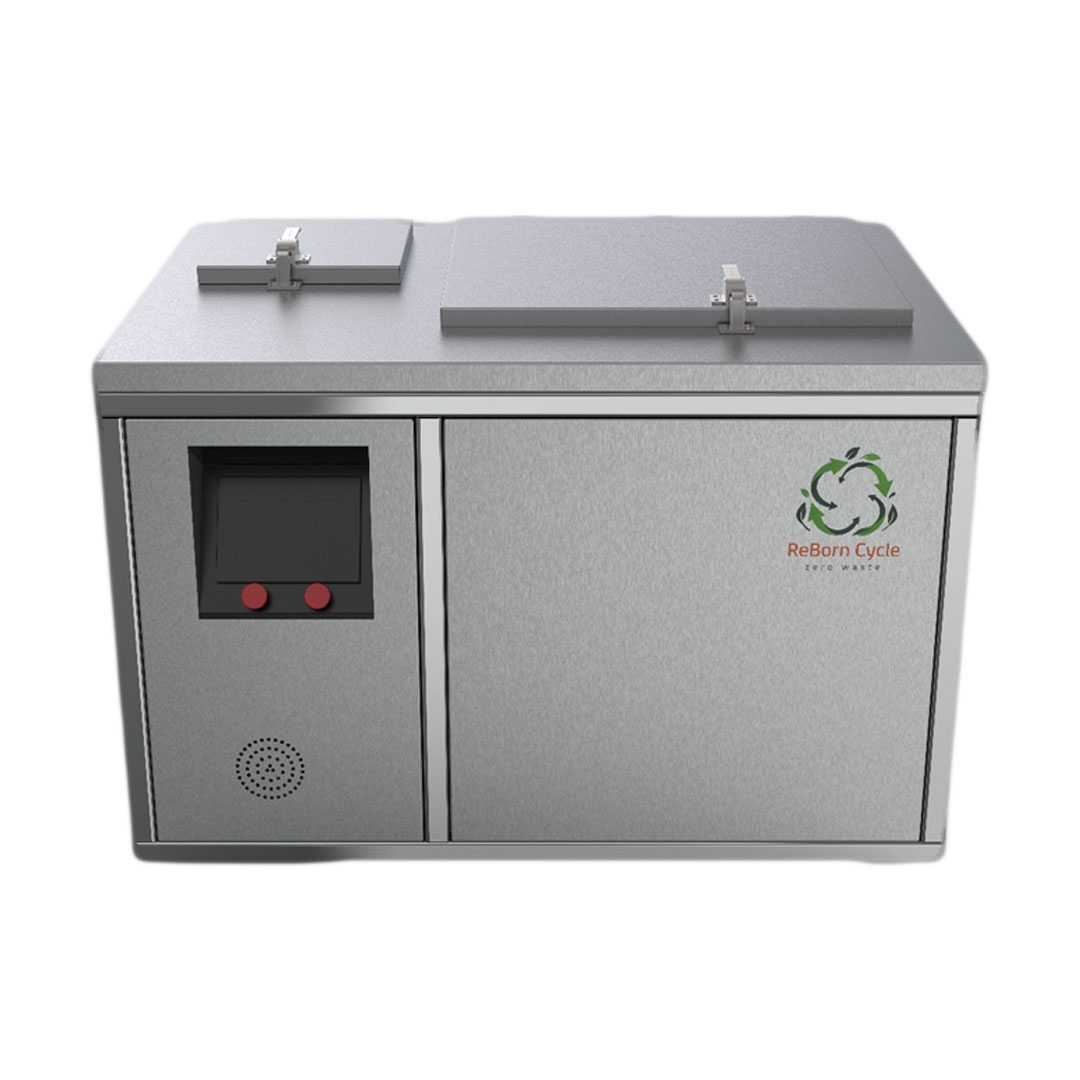
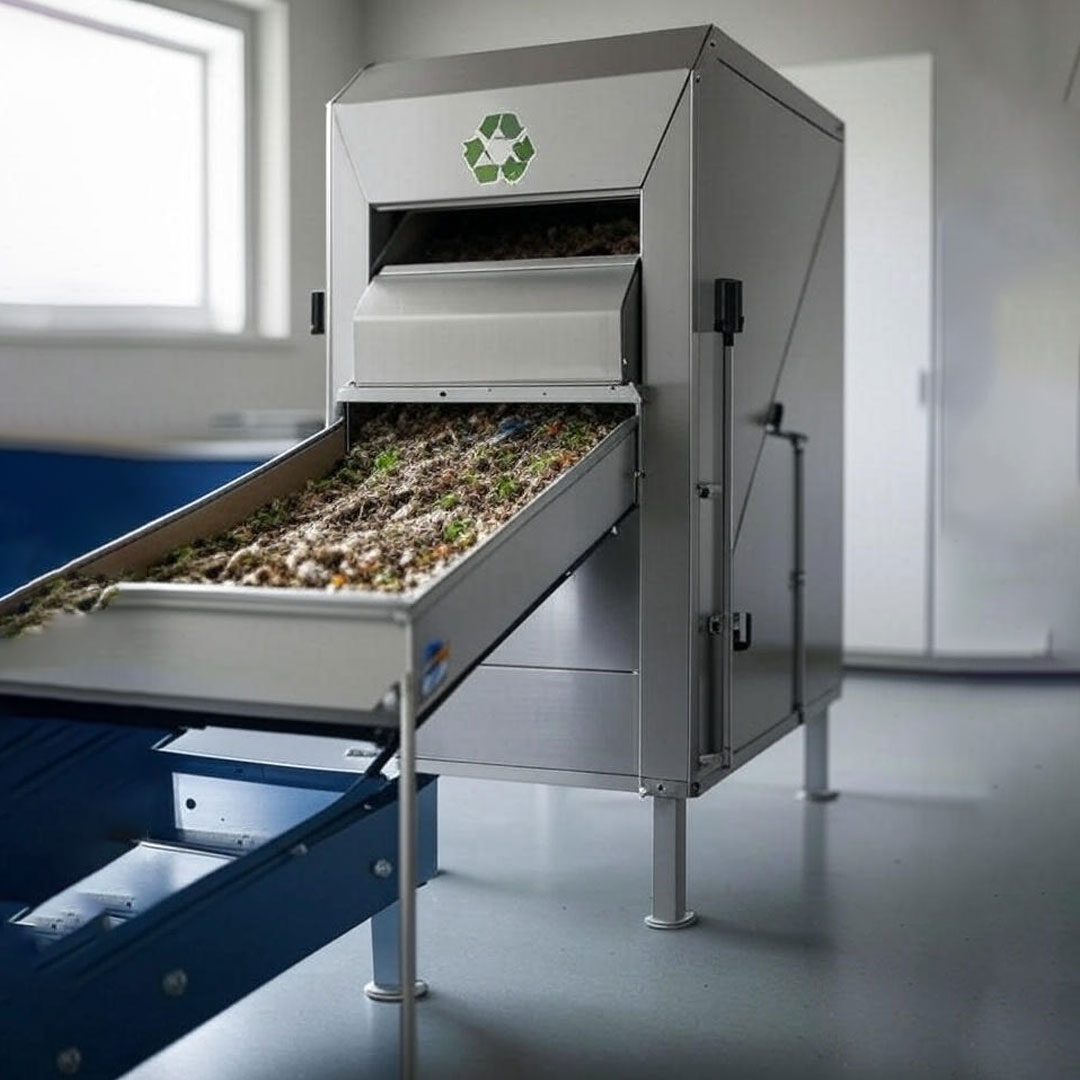




After installing the RBN-C100, most of our kitchen waste is processed on site. Odor and logistics load dropped clearly.
Zero waste
Compost and feed solutions
Discover innovative solutions.
Boost efficiency with industry-leading technology.
01 · About
Engineering waste back into resource.
ReBorn Cycle designs, builds and commissions compost and feed recycling lines for hotels, municipalities, hospitals and farms.
Local engineering
Design, manufacturing and commissioning.
Sustainability
Turning waste into resource with a zero waste vision.
Support
Full support from training to spare parts.
03 · Products
Featured machines.
Compost, feed and auxiliary equipment: choose by capacity.
04 · Process
How does the process work?
From waste to value in four steps.
Waste intake
Safe collection and preparation from your source.
Processing
Shredding, mixing and moisture control.
Compost / feed
Output scaled to your capacity.
Create value
Sustainable agriculture and recovery.
05 · Lines
Product lines.
Choose the machine family that fits your need.
06 · References
Our references.
Organizations we work with.
Let’s choose the right machine for your project.
Write to us for capacity, layout and a quote.
07 · FAQ categories
Frequently asked questions
What waste types can you process?
Household, agricultural and industrial organics; organic fractions from hotels, restaurants, hospitals, municipalities and food production can be processed depending on the model. We analyse your waste mix and define the right line and capacity together.
How is capacity selected?
Daily organic waste volume, moisture, operating hours, facility type and seasonal variation are considered. After a survey or preliminary form we recommend the most efficient model by daily kg throughput.
How long does a compost machine take?
Depending on model and waste type, mature compost is typically ready in 24–72 hours. Mix homogeneity, particle size and moisture management directly affect cycle time.
What is the difference between feed and compost machines?
Compost machines turn organic waste into fertilizer; feed machines process food and organic by-products into animal feed format. Both lines scale by capacity and are configured for different sector needs.
How long does installation take?
After site preparation (power, floor, ventilation), standard installation and commissioning usually takes 1–3 business days. Industrial lines are scheduled according to project scope.
What infrastructure is required?
Power consumption, water connection, drainage and ventilation requirements are specified per model in the technical file. After site survey we share a facility-specific infrastructure checklist.
Do you provide operator training?
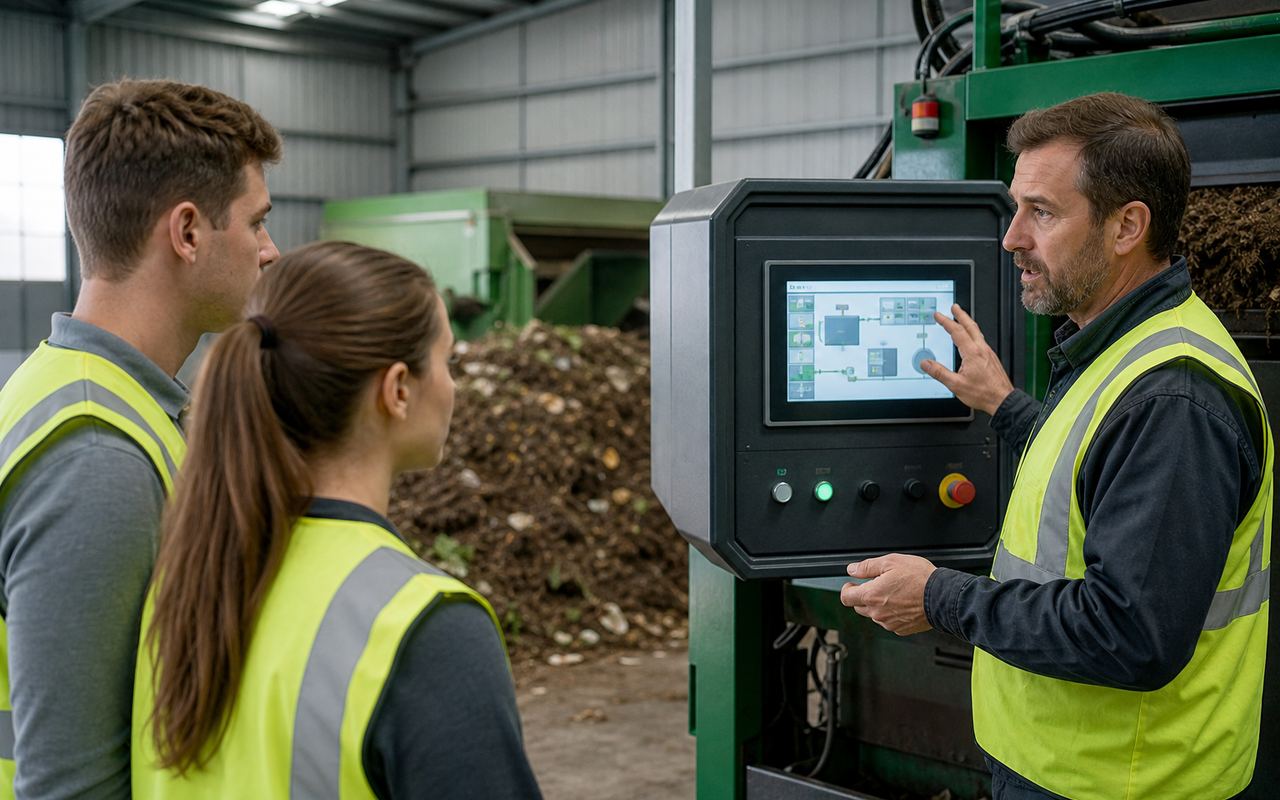
Yes. Operator training, operating manuals and safety procedures are delivered at commissioning. Optional refresher training can also be arranged.
How is layout and site planning done?
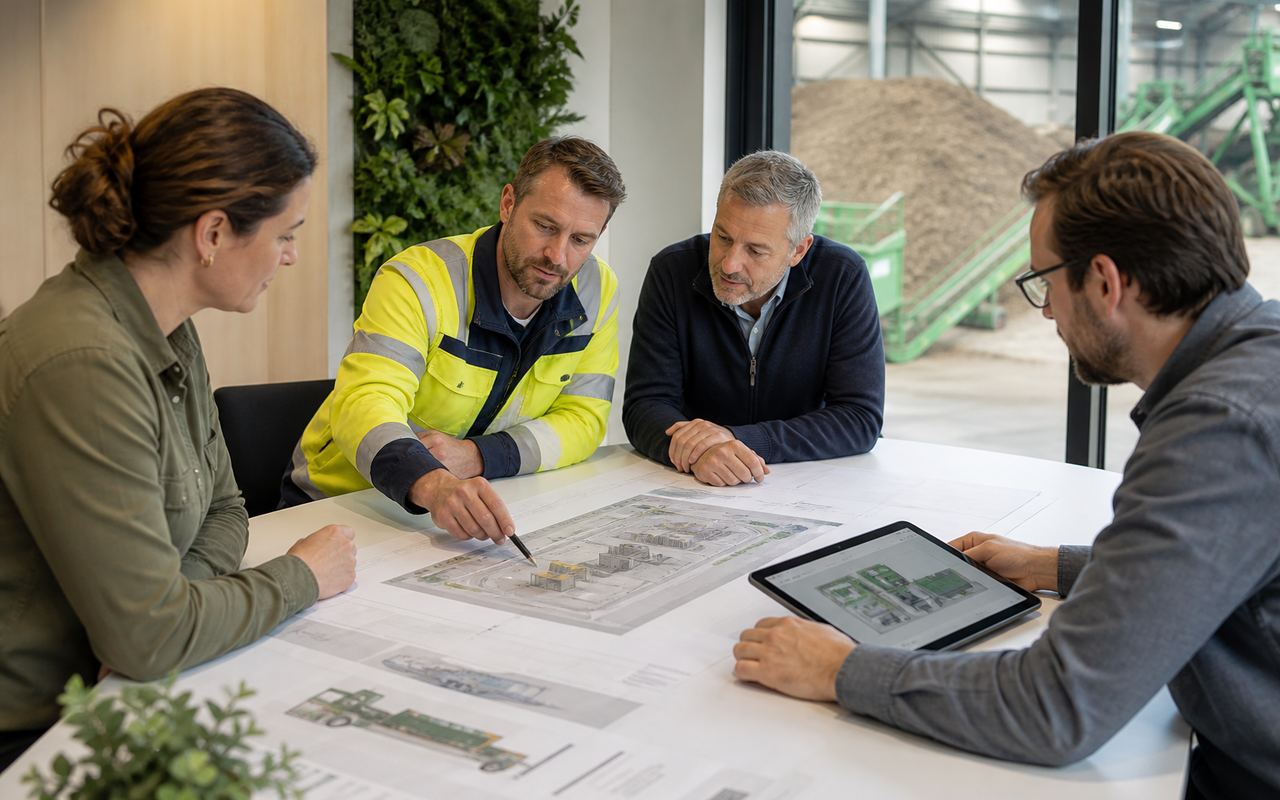
Waste inlet, machine position, compost outlet and service access are evaluated together. Layout plans and 3D site suggestions can be provided when needed.
What is the maintenance interval?
Maintenance intervals vary by model and operating intensity. After commissioning we share a maintenance schedule, checklist and spare parts recommendations.
Do you supply spare parts?
Thanks to local manufacturing, critical spare parts are supplied from stock or rapid production. Part codes and replacement guides are shared with customers.
Is 24/7 technical support available?
Yes. Our technical support line handles fault reporting, remote consulting and field service scheduling. Emergency response times are defined in the project contract.
What does the warranty cover?
Standard warranty period and scope vary by model; manufacturing defects and listed components are defined in the contract. Warranty starts with the commissioning certificate.
Is the compost output quality reliable?
With proper feeding, moisture and temperature control, output meets organic fertilizer standards suitable for agricultural use. Periodic sample analysis is recommended.
Does it support zero waste goals?
On-site organic waste reduction and recovery directly supports zero waste roadmaps for municipalities, hotels and industrial facilities.
What is the typical ROI?
Disposal costs, compost value, labour savings and energy expenses vary by project. Preliminary feasibility and payback estimates are shared at survey stage.
Is there odor or noise?
Closed system design and proper ventilation keep odor to a minimum. Noise levels are specified per model; acoustic measures can be planned when required.
08 · Testimonials
What our customers say
Hospital Cafeteria Waste Processing
A field-focused approach to hygiene, traceability and controlled organic-waste processing in hospital cafeterias.
Read more →
How Much Electricity a Compost Machine Uses?
Compost machine power demand varies by model and duty cycle. Distinguish connection rating from real consumption.
Read more →
Organic Waste in Hotel ESG Report
Organic waste kg, recovery rate and evidence of on-site treatment in ESG and sustainability reports.
Read more →
How to Remove the Waste Profile in Site Measurement?
7–14 day weighing, fraction analysis and peak day reading in exploration and field measurement.
Read more →