

Material discharged from a closed industrial compost machine is heat-stabilised pre-compost, not chemical fertiliser. Most uses call for a few weeks of curing before application.
Output from an industrial compost machine is hygienised pre-compost: organic matter stabilised by controlled temperature, mixing, and aeration. It is not mineral NPK fertiliser; nutrients sit in slow-release organic forms. For landscaping, greenhouse beds, or pelletising, plan for several weeks of curing after discharge.
Kitchen and facilities teams often treat the machine like a fertiliser plant. In practice, storage, labelling, and use rules differ from bagged chemicals. Here you get the biological stage of discharge, typical curing windows, and safe field use without invented nutrient labels. For background, see what compost is and how it differs from fresh waste.
Is Compost Machine Output Chemical Fertiliser?
Searches for “compost fertiliser machine” usually mean equipment that makes a soil amendment and organic fertiliser input, not ready-made ammonium nitrate or urea. In a closed in-vessel line, food waste often completes a 24–48 hour typical cycle (48–72 hours or more for fatty or irregular feeding), with major volume reduction; what remains is a carbon-rich organic matrix.
On chemical fertiliser bags, N–P–K is fixed on the label. In compost, nutrients are bound organically and release with moisture and microbes — so quoting a single “NPK grade” for fresh discharge misleads auditors and buyers. The real value is structure, water holding, microbial activity, and slow nutrient supply. Facility leads should expect tonnes of stable organic matter, not instant mineral formula.
Application paths are laid out in how to use compost machine output; for definitions, compost basics sit in the same chain.
At What Stage Is Discharged Material?
Inside the vessel, the thermophilic phase often runs around 55–65 °C; holding that band for several days cuts pathogen and weed-seed risk. Mixing and aeration keep the process aerobic; moisture for typical kitchen waste targets roughly 50–60 %. C/N depends on feed: food waste alone is often ~15–20:1, so dry bulking agents (straw, sawdust) are common corrections.
At discharge the mass is usually dark, crumbly, and earthy; temperature may still be above ambient. Calling it fully mature compost requires temperature near ambient, C/N trending below 20:1, and stability under further handling — part of that happens in the machine, part in a curing pad.
- Pre-treatment Foreign matter removal and size reduction; keep excess fats out of the mix.
- In-vessel cycle Heat, moisture, and aeration per recipe or operator setpoints.
- Discharge Log batch temperature and hold if still hot.
- Curing Windrow or covered pile, turning, and moisture checks until cool.
Cooling and turning after discharge are what turn output into a saleable product; tie machine logs to field checks on each batch.
How Long Should Material Cure?
Many sites release cured material after about 2–4 weeks; sensitive planting, certified organic beds, or long storage may need 4–8 weeks and more turning. Duration depends on feed mix, climate, pile size, and end use — the chart below shows example bands, not guarantees.
Check maturity with how to tell if compost is mature (temperature rebound, smell, germination test). Greenhouse dosing notes appear in using compost in greenhouses.
Tip: Weekly core temperature and moisture logs on the curing pad make ESG and inspection conversations straightforward.
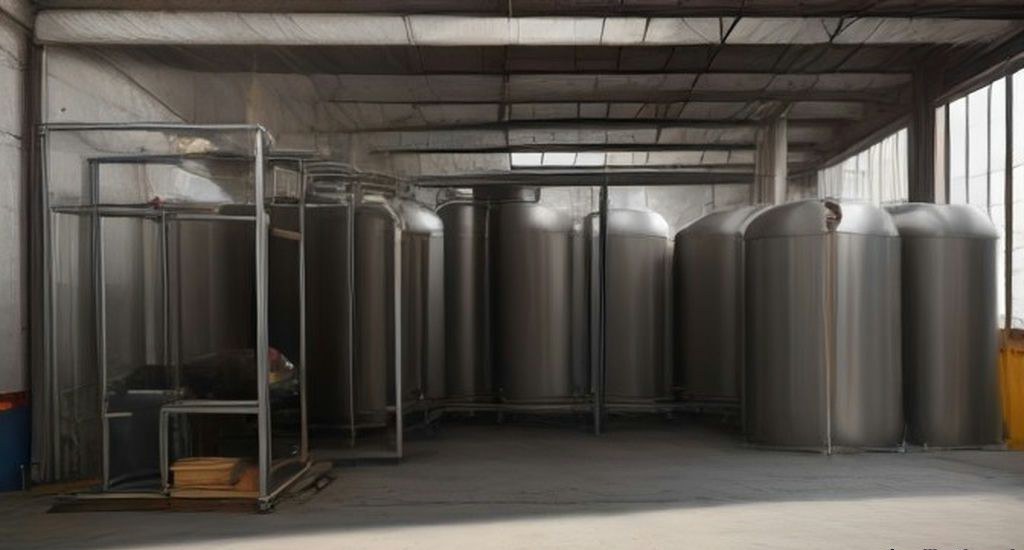
Pile size and weather matter more than most teams expect: a small open pile cools quickly in winter and breaks down slowly, while a large covered pile stays warm for longer. Plan the pad generously so you can keep batches separate and know the age of each one.
How Does Machine Discharge Compare to Mature Compost?
The moment an operator calls it “done” is not the same as field-ready product. The table summarises typical differences; verify your site with measurement.
| Trait | Machine discharge (pre-compost) | After curing |
|---|---|---|
| Temperature | May exceed ambient | Near ambient |
| Odour | Earthy, slightly warm | Earthy, no ammonia |
| C/N ratio | Often ~20–30:1 (feed dependent) | Often targeted <20:1 |
| Use | Blend, landscape, pre-pellet | Transplants after tests |
| Pathogen risk | Depends on thermophilic time log | Reduced by cool phase + time |
Set up sampling and records with compost quality control. Check local product rules against your intended market before relabelling discharge.
A simple field rule helps: while the material is noticeably warm, smells of ammonia, or reheats after wetting, stabilisation is not finished. A short interval of cooling, turning, and a second visual check costs little time and prevents awkward questions once the material is in use.
Where Is It Safe to Use Discharged Material?
Landscape blends, tree pits, turf underlay, and restoration soils tolerate discharge best; still use gradual blends such as 10–30 % by volume (example range — adjust to soil tests). Greenhouses and open fields carry phytotoxicity risk, so cure fully and trial on a small bed first. On hotel or campus grounds, mix into stockpiles instead of piling hot material against trunks.
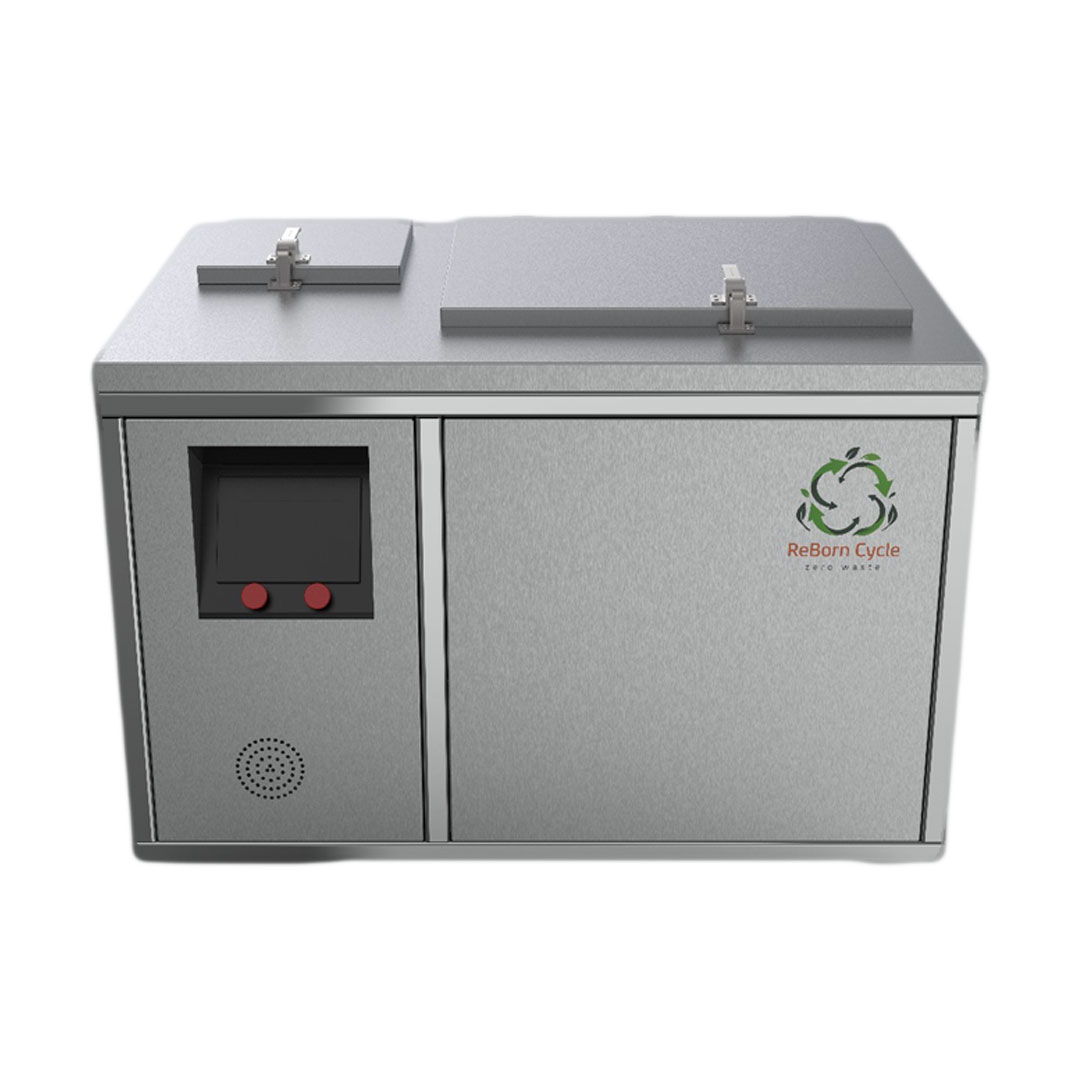
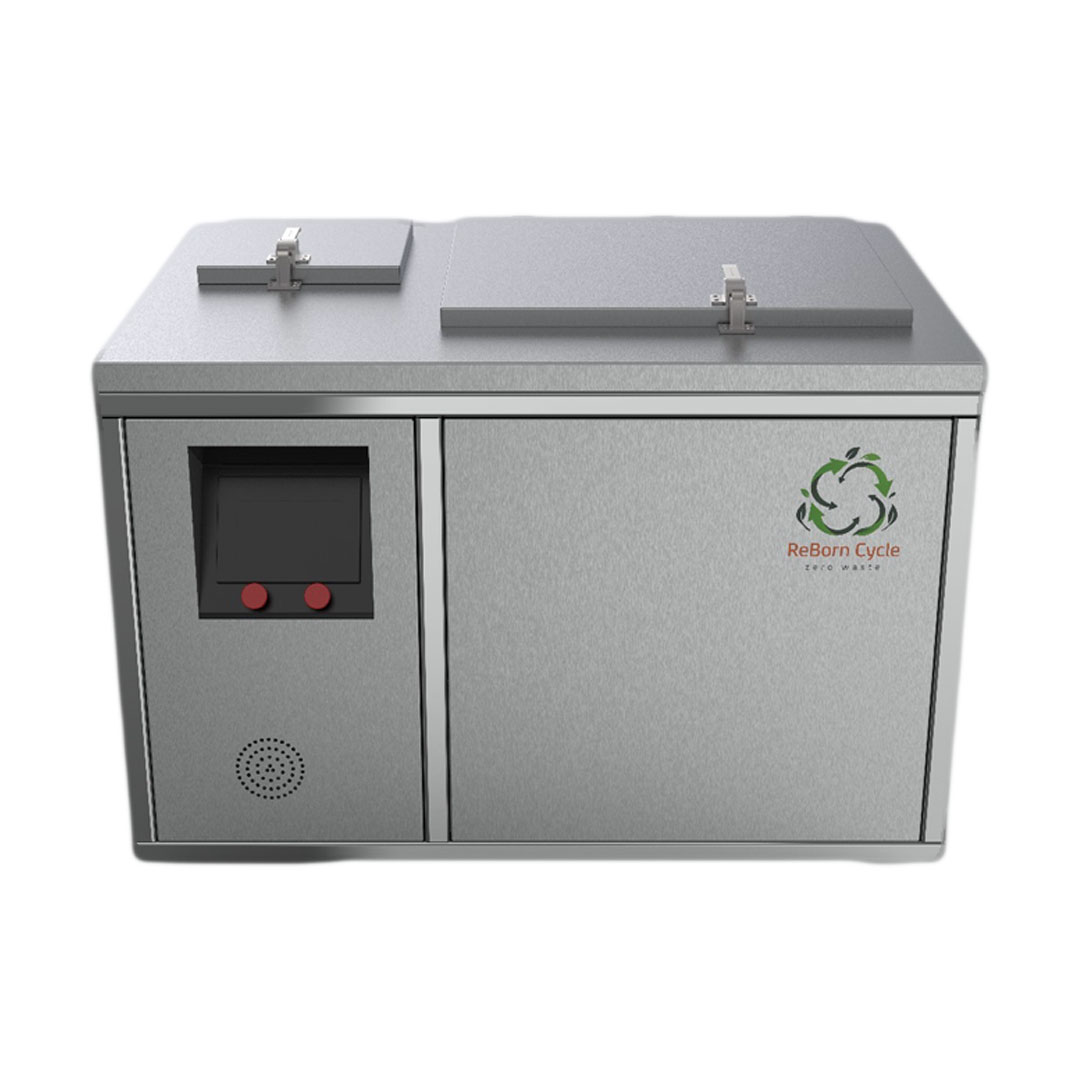
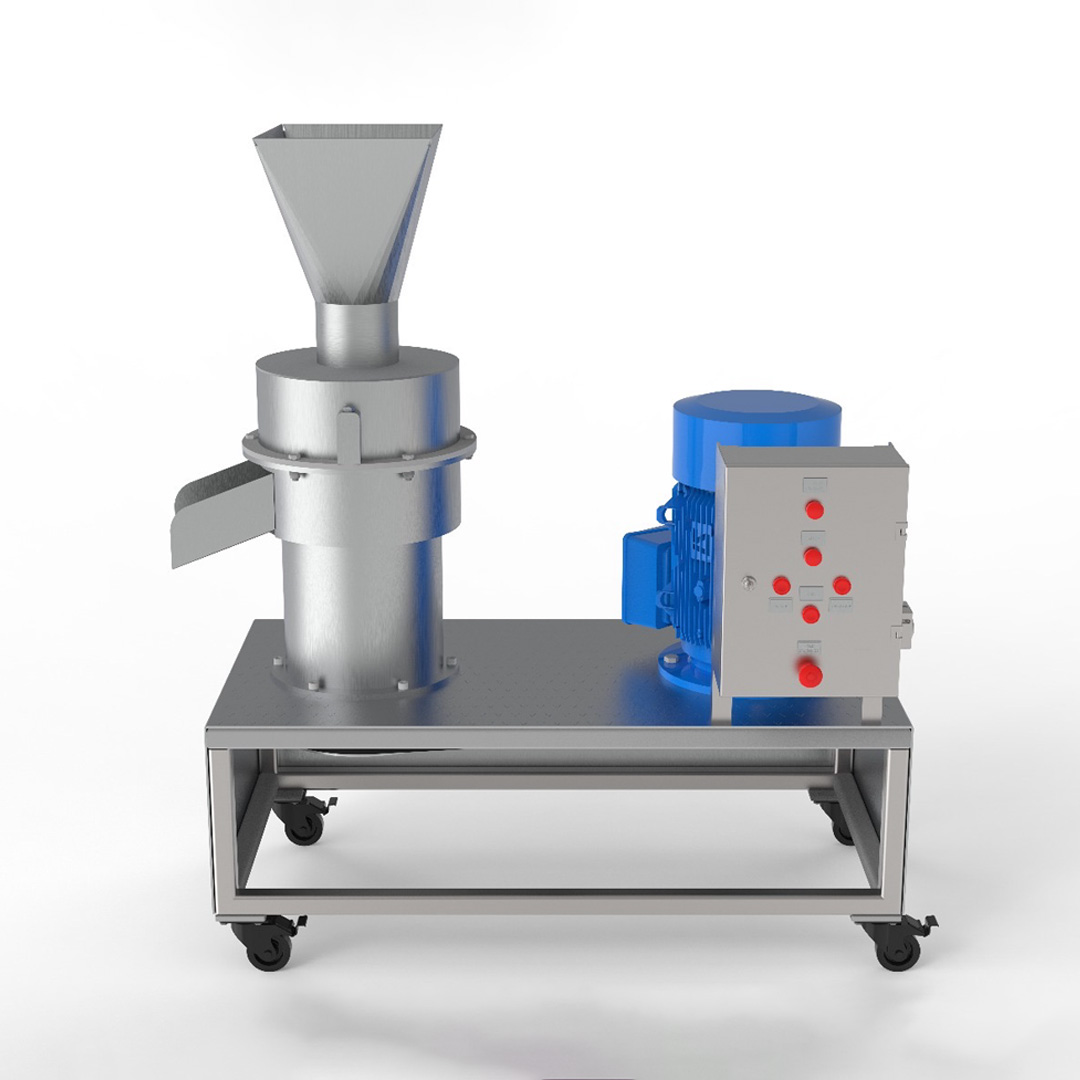
Before pelletising, moisture and particle size should be uniform for Pellet Machine; otherwise extra drying is needed. High-volume lines often move RBN-C500 Compost Machine or RBN-C250 Compost Machine output by conveyor to a curing pad. Treat output as product, not waste, via operator training on storage and labelling.
Warning: Clinical waste, plastic, or metal in the feed can disqualify the whole lot — source separation stays upstream of the machine.
Decide before the first use who releases the material and on which criteria. A short checklist covering temperature, odour, structure, and test results is enough to start with; it makes decisions traceable and spares your team an argument when a batch is held back.
How Does ReBorn Cycle Manage Discharge on Site?
Survey work ties daily kg/day, waste moisture, and end use (landscape, greenhouse, pellets) into one plan. During commissioning, discharge temperature, moisture, and batch IDs go on daily forms; under consulting, pad area and turning schedules are sized to match output.
RBN-C250 Compost Machine fits mid-size hotels and campuses; RBN-C500 Compost Machine often serves central kitchens and mall food courts. Logging process parameters daily makes batch comparison easier during the first month of operation.
Photo archives of weekly discharge samples during month one help settle quality disputes with landscapers or greenhouse suppliers. See the machine range for capacity steps, or book a free site survey to map discharge handling before purchase.
It also pays to settle where the first weeks of output will go. If no curing pad is ready on delivery day, improvised storage appears and costs time and money later.
Frequently asked questions
Can I put compost machine output straight into potting soil?
Usually no. Fresh discharge can be hot and phytotoxic for seedlings. Cure at least 2–3 weeks, blend with soil, and run a germination test before sensitive crops; extend curing for delicate plants.
What is the NPK of the output?
There is no fixed NPK label for machine discharge; meat–vegetable–bread mix, curing time, and sampling method all shift results. Use an accredited lab analysis for marketing or sustainability reporting — do not print guessed macro numbers on brochures.
Does discharged material smell bad?
With balanced moisture, steady feeding, and aerobic conditions in a closed machine, odour stays low. Ammonia or sour notes in a wet, unturned pile signal anaerobic pockets — turn and correct moisture.
How long can pre-compost be stored?
Under cover on drained ground, keeping moisture stable, a few months is possible, but nutrient loss and reheating risk rise. Long storage is safer after full curing or pelletising.
Which wastes lower output quality?
Heavy fats, sauces, and fryer waste upset moisture and C/N; plastic, metal, and glass break compliance and can scrap the batch. Keep contamination out before the hopper.
Can hotel or municipality compost go on farmland?
Many sites use output for landscaping and soil improvement; agricultural sale or sensitive uses need current rules, testing, and permits. Confirm national agriculture requirements before distribution.
Choosing the Right Path for Compost Discharge
Naming machine output stabilised pre-compost aligns operations, finance, and sustainability reporting. Curing time, record keeping, and the use band you target together define economic value; training breaks the habit of expecting bagged fertiliser chemistry.
Log batch ID, core temperature, moisture, and intended use daily; trial small greenhouse or transplant beds before scale-up. When quality is uncertain, sample, test, and file results against batch numbers.
To align capacity, curing pads, and shifts, request a site survey or process consulting; ReBorn teams hand over discharge checklists and record templates after commissioning.