


Compost is processed organic matter mixed into soil or spread thin. Mulch is a surface cover that slows evaporation and weeds; the two do different jobs and work together.
The difference between compost and mulch is the job the material does and where it sits. Compost is biologically processed organic matter mixed into soil or spread thin, and it supports structure and soil life. Mulch is a surface cover such as wood chips, straw or leaves that slows evaporation and weeds. The two can be used together.
A park crew, a greenhouse or a campus garden needs both a soil amendment and a surface cover. Wood chips and compost from leaves or kitchen waste are not interchangeable. Use one in place of the other and you either miss the weeds or seal the soil. For the definition, see what compost is; the focus here is the difference and using both together.
What Does Mulch Do on the Surface?
Mulch is a cover laid on top of soil and, as a rule, not mixed in. In parks and gardens the usual materials are wood chips, straw, dry leaves and shredded bark. The cover slows drying, blocks light from weed seeds and narrows the daily temperature swing.
Mulch is not a fertiliser. Sawdust sits around a C/N of 200–500:1, straw about 50–150:1 and dry leaves 40–80:1. On the surface, any temporary nitrogen tie-up stays at the line where chips meet soil. Dug into a vegetable bed, that effect reaches the roots, so leave wood-chip mulch on top.
On a path or around a tree, 7–10 cm of chips is a workable example. Do not pile them against the trunk; leave a 5–10 cm gap. A thick mat of wet grass clippings goes anaerobic, smells and draws flies. Skip dyed bark of unknown origin.
Tip: Chip heavy wood for a surface cover. Do not lay wet grass or food waste as thick mulch; those belong in a compost mix.
What Does Compost Add to Soil?
Compost forms when microorganisms break organic matter down in the presence of oxygen. A balanced mix heats up and enters the thermophilic range of 55–65 °C. Several days above 55 °C reduces pathogens and weed seeds. Mature compost has a C/N below 20, an earthy smell and a temperature close to the ambient air.
Compost is not made to sit in a deep blanket the way mulch does. Mix it into the top 10–15 cm or spread 1–2 cm. It has no fixed NPK; content follows the input, and it does not replace a complete fertiliser. Food waste is about 15–20:1 and grass 15–25:1. Hold moisture near 50–60 % and oxygen above 5 %. Ammonia or rotten eggs means the process is unfinished or anaerobic; do not spread that material.
In a closed system, kitchen waste typically takes 24–48 hours and yields a stabilised, hygienised pre-compost, not fully mature compost. Cure it for a few weeks before it meets soil. Where to use it is set out in how to use compost output.
What Is the Difference Between Compost and Mulch on a Bed?
The table below sums up purpose, position, how long each lasts, nutrient behaviour and when to leave it off.
| Criterion | Mulch | Compost |
|---|---|---|
| Purpose | Slow evaporation and weeds | Improve soil structure and biology |
| Where it sits | On the surface, not mixed in | Mixed into topsoil or spread thin |
| How long | Chips last a season or more; straw and leaves thin faster | Blends into soil over months; mature compost remains as organic matter |
| Nutrients | A carbon cover; fresh chips can tie up nitrogen at the surface | Slowly released organic matter; not a complete fertiliser |
| When not to use | Piled on trunks, on waterlogged soil, or as a packed wet grass mat | Hot material that smells of ammonia or rotten eggs; as a thick crust |
Plastic film sits outside this table. It covers soil but is not organic mulch and does not break down into it. Organic mulch thins over time; a softening bottom edge does not make the chips compost from day one. If the soil itself needs improvement, add compost as well.
How Thick Should the Layer Be in a Park or Greenhouse?
A park and a greenhouse do not take the same thickness. The bars are a gardening example, not a standard, with 10 cm drawn as a full bar.
In a park, branches are chipped for paths and trees. Dry leaves can be a loose cover or a carbon source. Wet grass and food scraps go into the compost mix, not a thick mulch. How green waste enters that process is covered in how to compost garden and park waste.

Greenhouse air is humid, so a thick wet mulch raises the risk of flies and rot. Mix compost into the bed or the growing medium, and if the surface needs a cover, keep it thin and open. For rates, see how to use compost in a greenhouse.
Warning: Do not pile compost 8 cm deep as if it were mulch. A thick layer crusts, blocks gas exchange and turns slippery in rain.
Does Machine Output Replace Mulch?
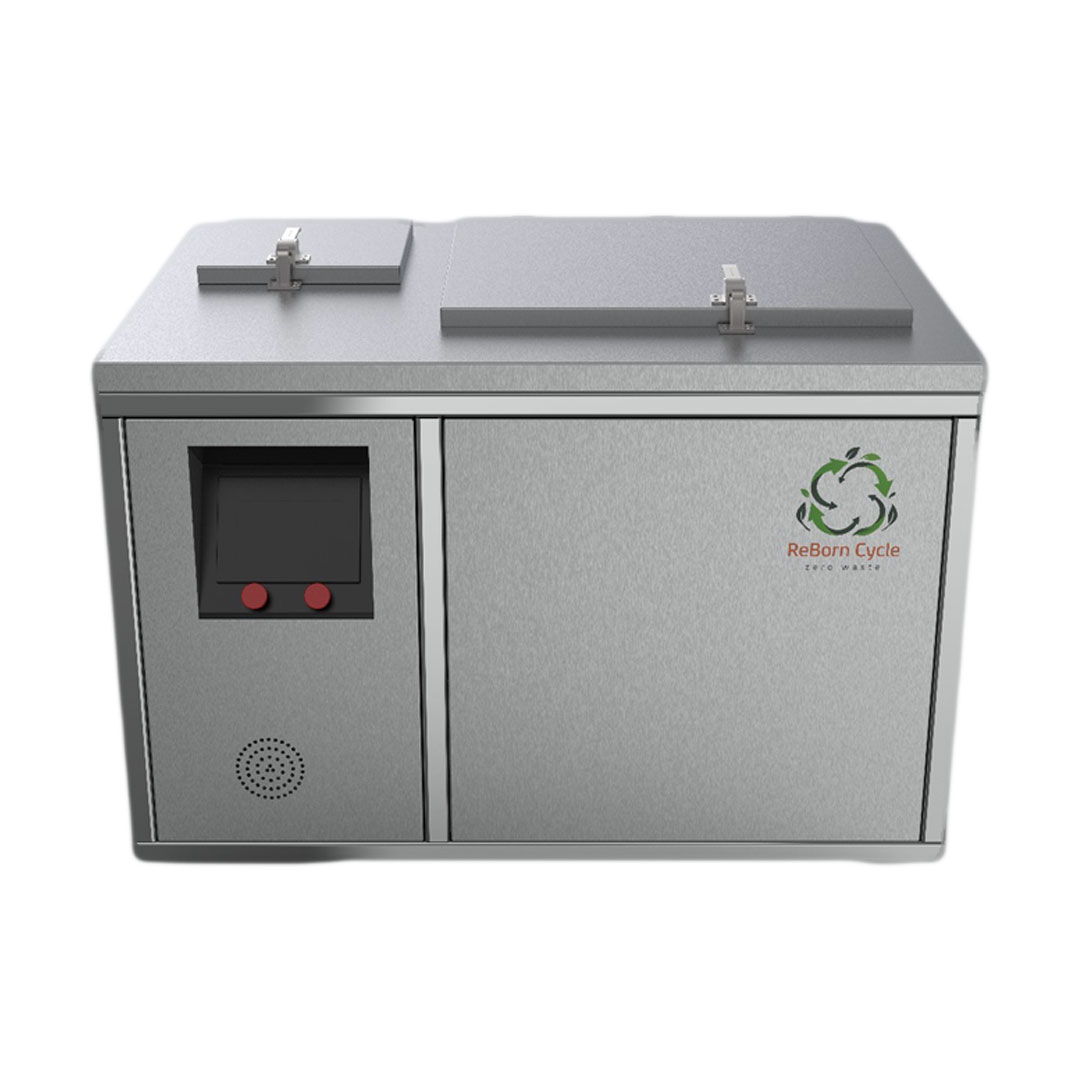
No. ReBorn Cycle compost machines are closed, heated, aerated and mixed. With kitchen waste at a balanced moisture, the in-machine cycle is typically 24–48 hours; fatty or irregular feeding stretches it to 48–72 hours. The output is stabilised pre-compost, not chip mulch. Wood alone is a poor feed because the C/N is very high, so that stream stays a cover.
- Split the streams Heavy wood chips become mulch. Leaves can be a cover or a carbon source. Wet grass and suitable kitchen waste go to compost.
- Wait for maturity Cure the output for a few weeks. An earthy smell, ambient temperature and a C/N below 20 are reliable signs.
- Apply it thin Mix compost into the top 10–15 cm or spread 1–2 cm. Add mulch on top if you need a cover, and keep 5–10 cm clear of trunks.
- Watch the depth Top up mulch as it thins. Do not rebuild a compost mound every month.
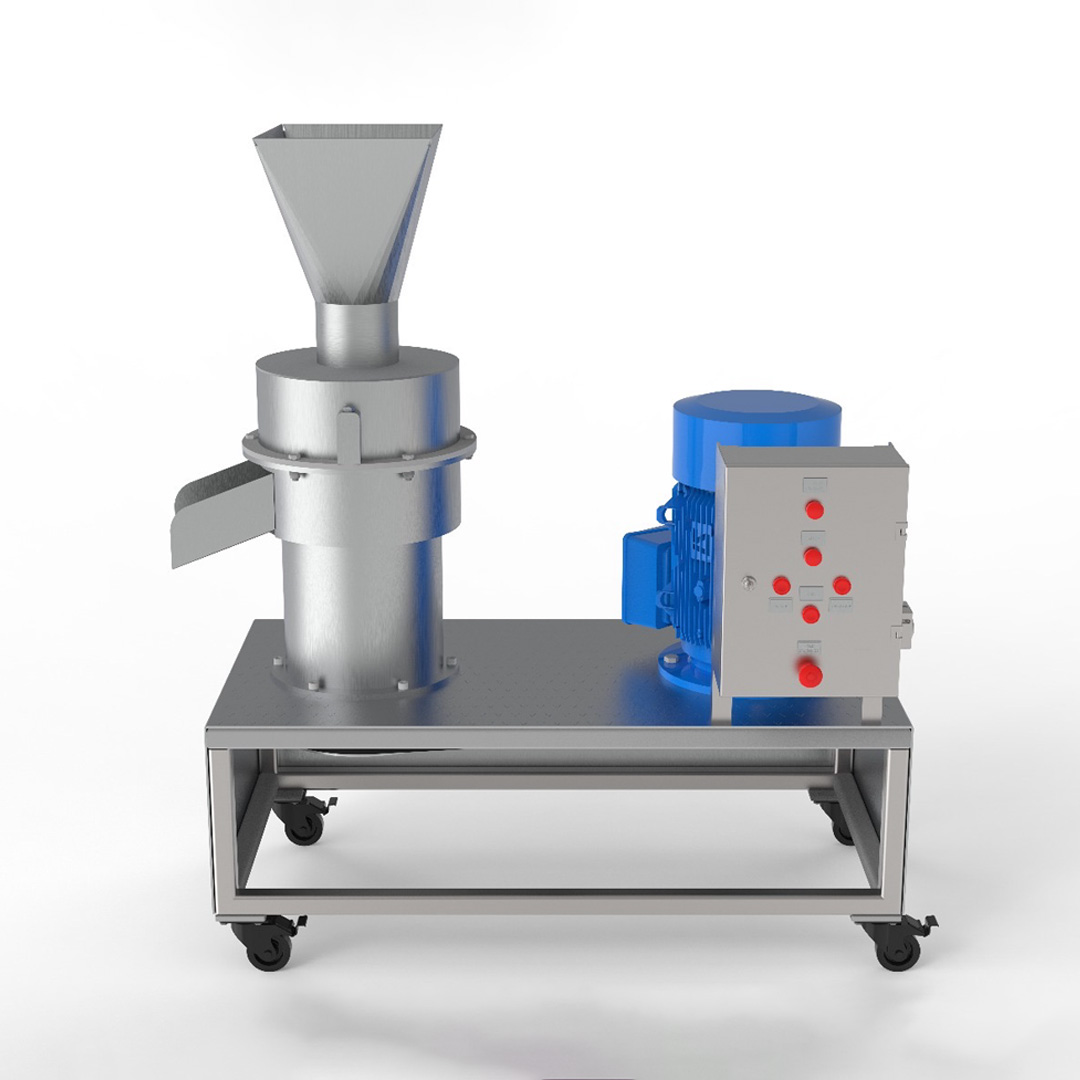
A large hotel, campus or plant already producing about 250 kg/day of suitable organic waste can look at the RBN-C250 Compost Machine. The Pellet Machine pellets mature compost for easier handling. A pellet does not replace an 8 cm chip cover.
On site surveys we often see crews spread fresh pre-compost the same day and call it mulch. Operator training makes clear what the output is. Process consulting separates chipping from composting. If the product leaves the site or goes to sale, check the current text of the Turkish Compost Communiqué (2015).
Frequently asked questions
Can compost be used as mulch?
It can act as a thin surface dressing, and it does not replace a thick mulch. Spread mature compost at 1–2 cm or mix it into the topsoil. Piled at 5–8 cm it crusts and blocks water and air. If evaporation and weeds are the problem, add wood chips, straw or leaves on top. Hot, unfinished material is the wrong choice.
Can mulch replace compost?
No. Mulch covers the surface; it does not correct low organic matter or water holding the way compost does. The underside breaks down over time, but that is not the same as mixing mature compost into the bed. If the soil is hard or empty after harvest, apply compost first, then mulch only if you also need a cover.
Do fresh wood chips lock up nitrogen?
On the surface, nitrogen tie-up stays mostly at the line between chips and soil. Mix the chips into the bed and the effect reaches the roots. On a vegetable bed, leave fresh chips as mulch and do not bury them. Sawdust sits around a C/N of 200–500:1. In mature compost that ratio falls below 20.
How thick should mulch be?
This is a gardening example, not a standard. Around beds and trees, 7–10 cm of wood chips, 5–8 cm of straw or 5–7 cm of dry leaves covers most jobs. Leave a 5–10 cm gap at the trunk; mulch on the bark raises the risk of rot and rodents. In a greenhouse that depth is usually too much.
Does a compost machine produce mulch?
No. A closed compost machine turns suitable organic waste into stabilised, hygienised pre-compost, not decorative chips. Chip branches for mulch on a separate shredder. Cure the pre-compost for a few weeks before it meets soil. Do not spread the output like an 8 cm mulch layer.
Compost and Mulch on the Same Bed
Compost goes into the soil or on as a very thin layer; mulch stays on top and slows water loss and weeds. They can share a bed, mature compost below and mulch above. Using either at the other’s thickness spoils the job. Chips are a cover. Mature compost repairs structure and water holding.
Chip heavy wood for mulch. Leaves can be a cover or a carbon source. Compost wet grass and suitable kitchen waste, cure it for a few weeks, then mix it into the top 10–15 cm or spread 1–2 cm. If you still need a cover, lay 5–8 cm of mulch on top and keep it off the trunk.
In a park, greenhouse or campus, split the streams while the waste is still separate. A site survey appointment shows which stream to chip and which to send to the machine. Measured kilograms, the space and the bed that receives the material set the capacity.