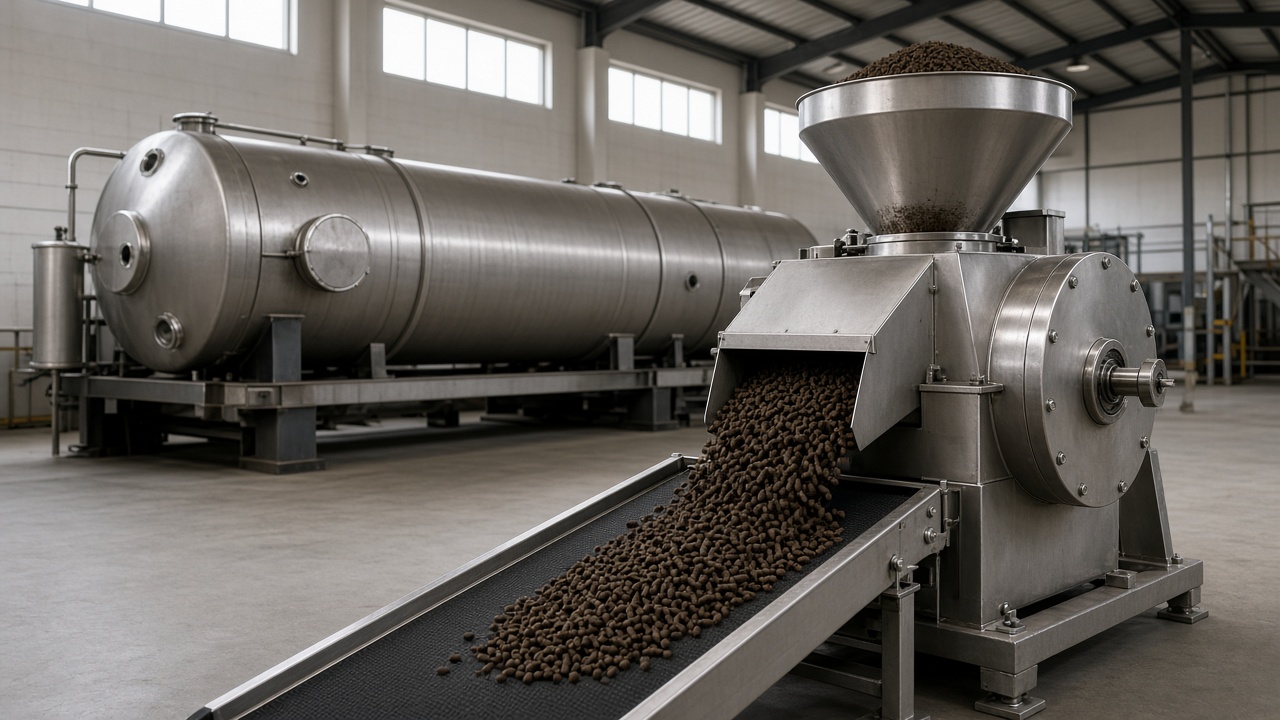
Compost pellets are made by screening mature compost, shredding it if needed, drying it to about 10–15 % moisture, pressing it in a pellet machine, then cooling and bagging. Pellets make compost easier to store, ship and dose.
Compost pellets are made by screening mature compost to remove contaminants, drying it to roughly 10–15 % moisture, pressing it through the die of a pellet machine, and then cooling and bagging the pellets. The process reduces volume and dust and makes compost easier to store, ship over long distances and spread evenly with machinery.
Sooner or later, every operation that produces compost asks the same question: "How do we sell this compost or ship it further away?" Bulk compost is bulky, moist and dusty, while pellets are compact and easy to dose. In this article we explain why compost pellets are worth considering, walk through the production steps, show why moisture is critical, list the equipment in a pellet line and explain why maturity matters. For other ways to use compost, see our guide to using compost output.
What Are Compost Pellets and Why Use Them?
Compost pellets are mature, dried compost pressed through a die into small cylinders. In terms of content they are simply compost; what changes is the physical form.
The main advantages of pelletizing are:
- Storage: low-moisture pellets take up less space than bulk compost and keep for a long time under proper conditions.
- Transport: with less water weight, the same truck carries more dry matter, and bagged logistics become simpler.
- Dosing: pellets can be spread evenly with fertilizer spreaders and are easy to measure for potted plants and gardens.
- Dust and odor: dusting from dry bulk compost drops and the product looks cleaner.
Pelletizing requires additional energy and investment. It therefore makes the most sense for operations that want to sell compost, launch a bagged retail product or supply farmland far from the site.
Compost Pellet Production Steps
Compost pellet production is a line that starts with mature compost and ends with a bagged product. The typical flow looks like this:
- Mature compost supply Material from the compost machine is stabilized through a curing period of a few weeks.
- Screening Stones, plastic, metal and oversized pieces are removed on a screen; coarse organic pieces are recirculated.
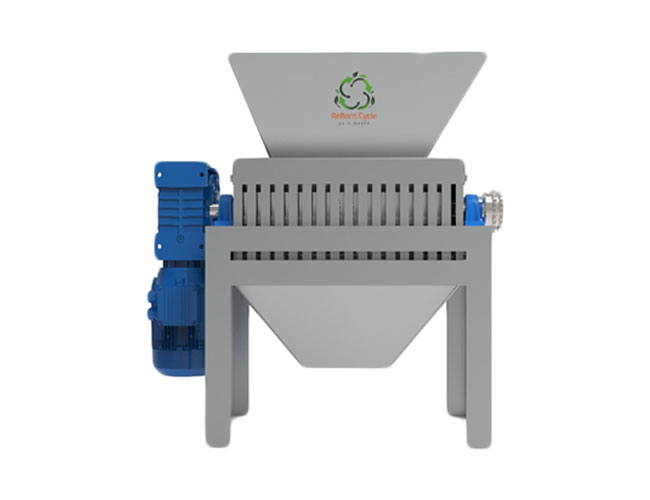
- Shredding and homogenizing Remaining coarse particles pass through a shredder to reach a fineness suitable for the pellet die.
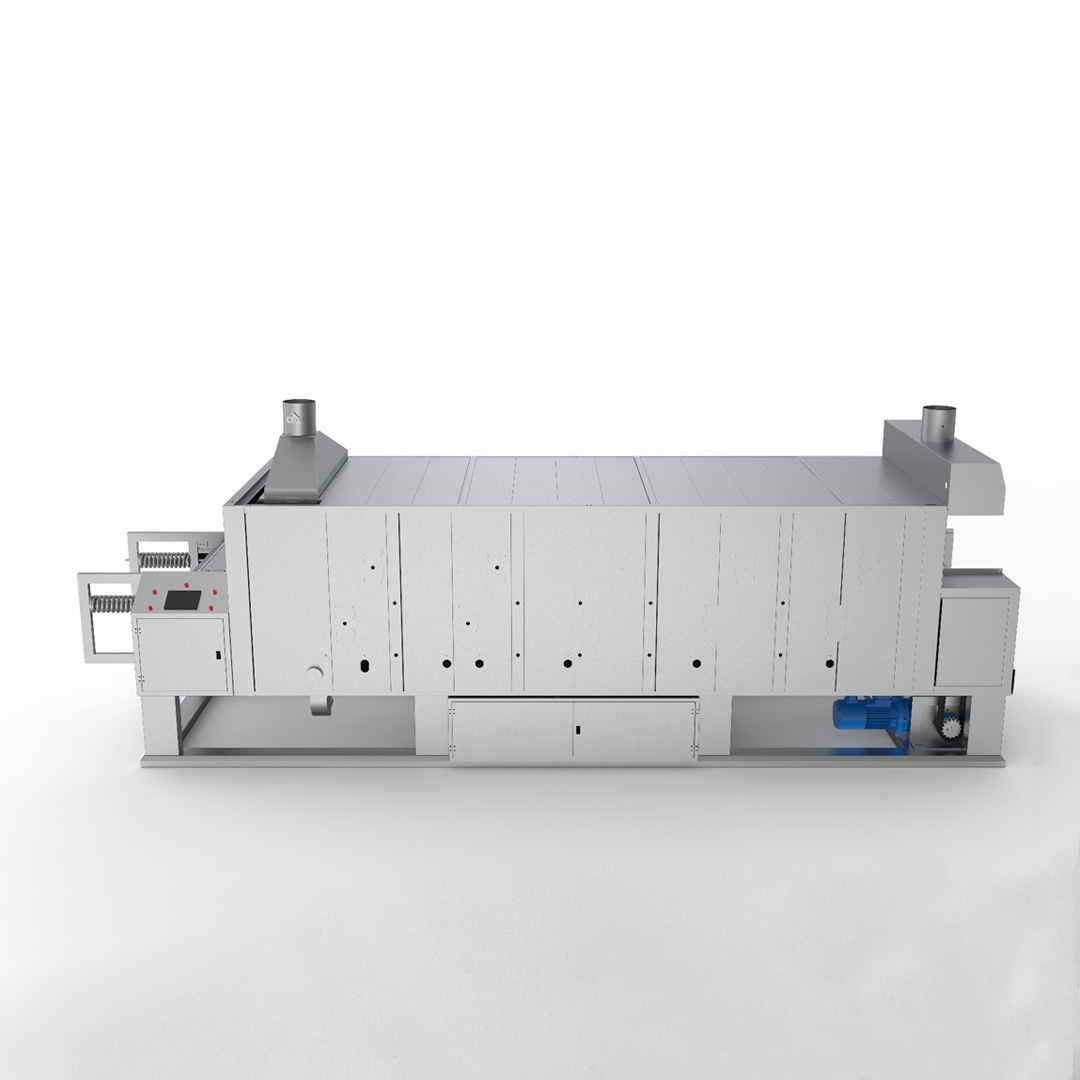
- Drying The material's moisture is reduced to about 10–15 % in a tunnel kiln or dryer.
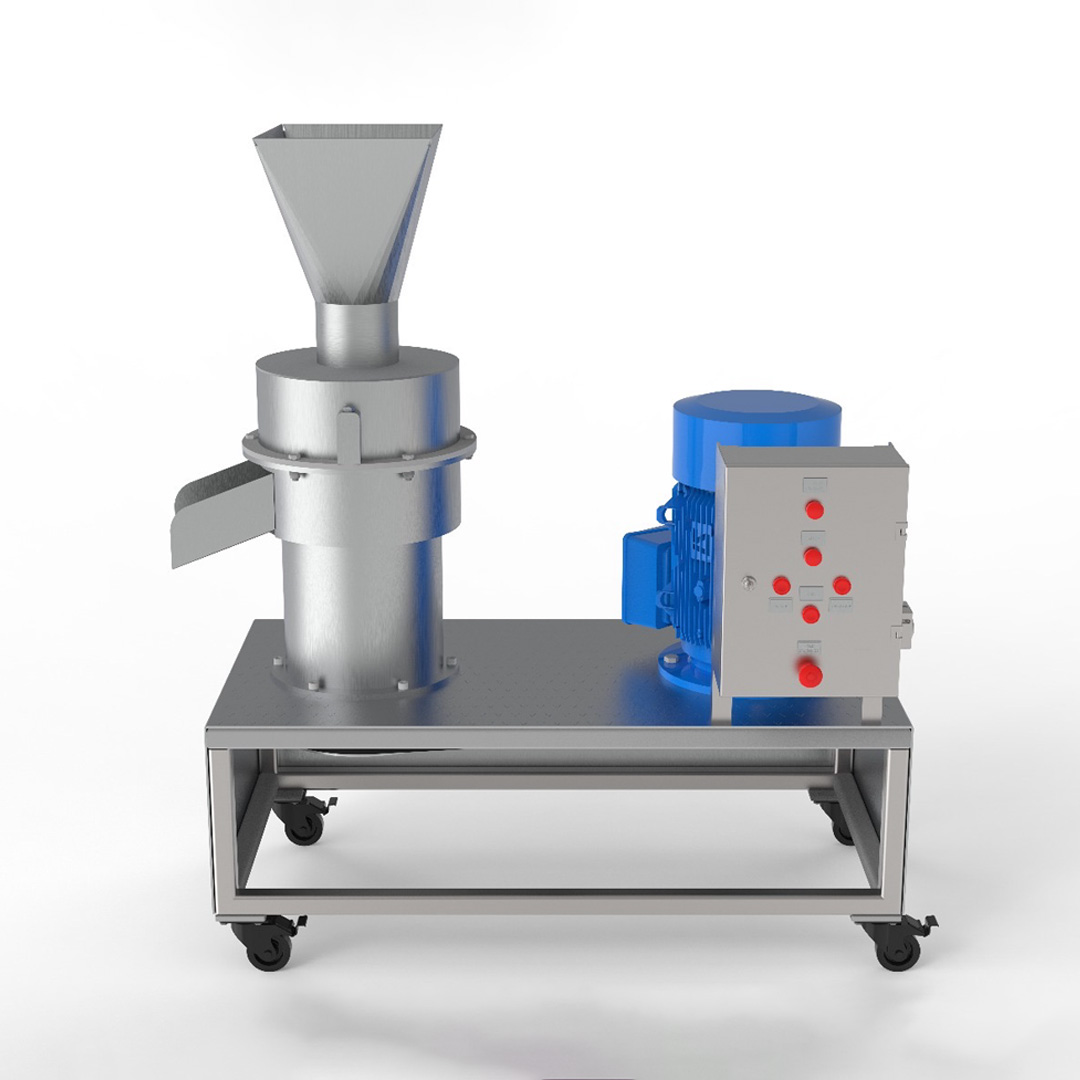
- Pelletizing The dry compost is pressed through the die of the pellet machine and cut to length.
- Cooling and screening Warm pellets are cooled; fines and broken pieces are separated and fed back into the line.
- Bagging and storage Cool pellets are bagged and stored in a dry, ventilated area.
Why Moisture Matters So Much Before Pelletizing?
The most critical parameter in compost pellet production is moisture. During composting the material is kept at 50–60 % moisture, which is ideal for microorganisms but far too wet for pelletizing. Overly wet material clogs the die, produces soft pellets and can turn moldy in storage. Overly dry material does not bind in the die, and the pellets crumble into dust.
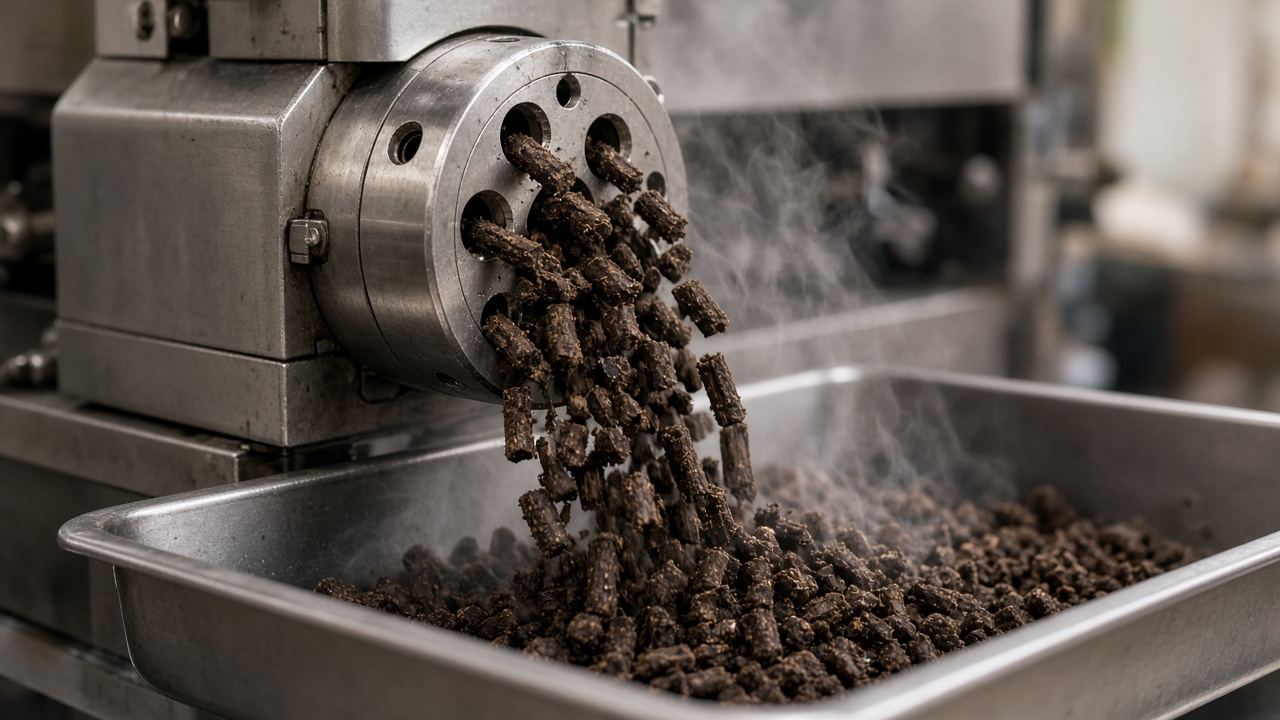
Tip: Take a simple moisture reading at the dryer outlet every shift. Keeping moisture steady is the habit that most affects pellet quality and die life.
What Equipment Does a Compost Pellet Line Need?
Line size depends on the daily volume of compost, but the core equipment is similar. The table below summarizes the role of each stage.
| Stage | Equipment | Function |
|---|---|---|
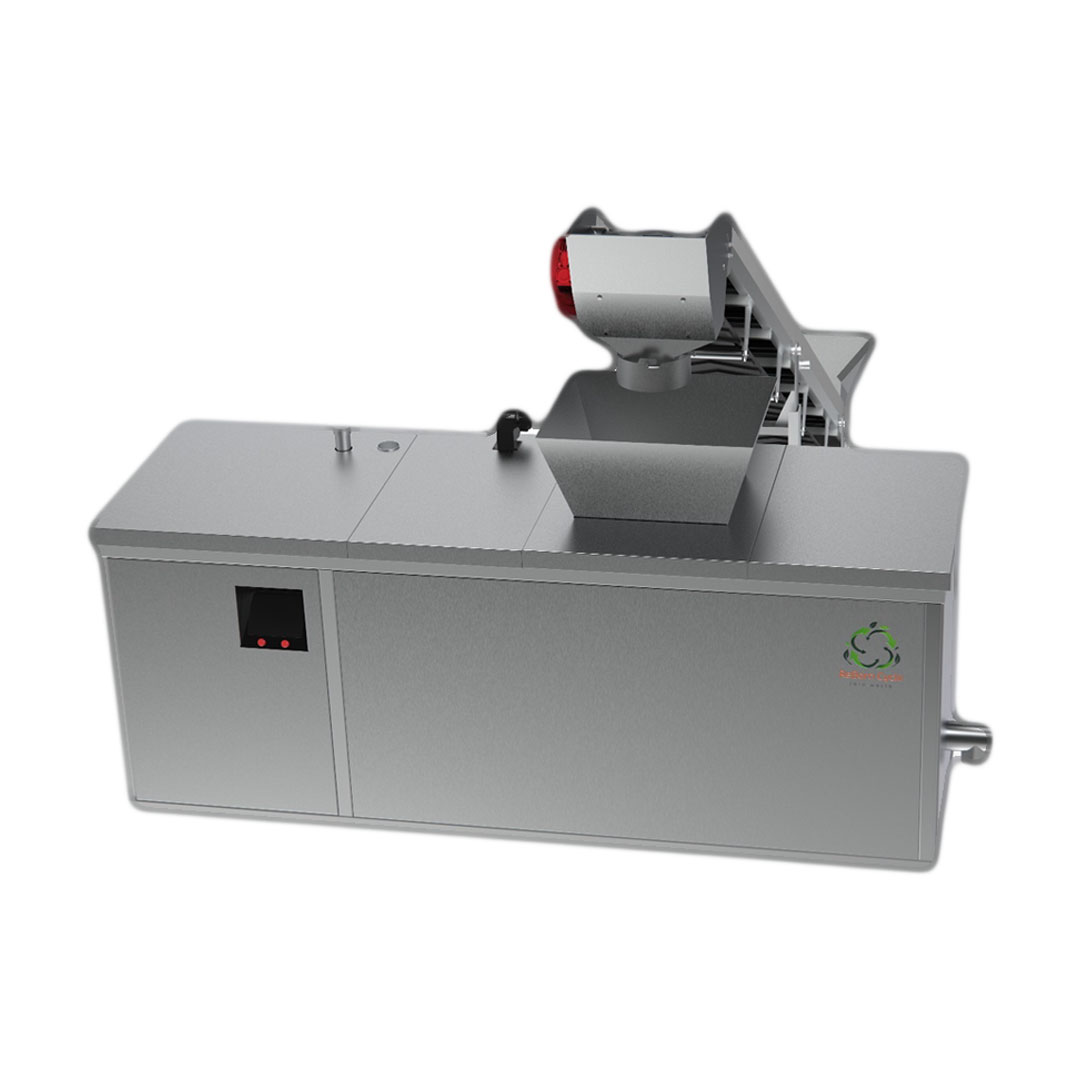
| Composting | In-vessel compost machine | Stabilizes organic waste with controlled temperature and aeration |
| Pre-treatment | Shredder | Reduces coarse pieces and creates a uniform particle size |
| Transfer | Conveyor Belt | Feeds and moves material between stages |
| Drying | Tunnel Kiln | Lowers moisture to a level suitable for pelletizing |
| Pelletizing | Pellet Machine | Presses dry compost through a die to form pellets |
| Finishing | Cooler, screen, bagging unit | Cools pellets, removes fines and packs the product |
Not every site needs every stage. If the compost is already fine and uniform, for example, the shredding step can be shortened; still, no equipment list should be drawn up before the material has been seen during a site survey.
Can Immature Compost Be Pelletized?
Technically it can be pressed, but it is not recommended. Immature compost is still biologically active; drying and pelletizing seem to stop decomposition, but once the pellet reaches soil or a moist environment the process restarts. That can lead to odor, self-heating, nitrogen tie-up and the release of compounds that can harm plant roots.
Before pelletizing, check maturity using these signs: a C/N ratio below 20, pile temperature close to ambient, an earthy smell and a dark, crumbly texture. For detailed tests, see our article on how to tell if compost is mature.
Warning: If you plan to sell pellets commercially, check the compost quality criteria and fertilizer or soil amendment rules in your market; in Turkey these are the Turkish Compost Communique and the regulations of the Ministry of Agriculture and Forestry. Labeling and analysis requirements may apply.
How to Build a Waste-to-Pellet Line with ReBorn Cycle?
ReBorn Cycle manufactures the main equipment of the line, from the compost machine to the pellet machine, with in-house engineering in Turkey. For a site with about one tonne of organic waste per day, a typical scenario is to process the waste in a closed vessel with the RBN-C1000 Compost Machine, move the material to a curing area after the 24–48-hour cycle typical for kitchen waste with balanced moisture, and then run a line made up of a shredder, conveyor, tunnel kiln and pellet machine.
During the site survey we first discuss waste volume, moisture profile and where the pellets will be used, because the pellet line is sized by the amount of cured and dried compost, not by the amount of incoming waste. Operator training and after-sales service are part of every line.
We cover capacity selection in our article on choosing a machine for 1 tonne of organic waste per day and explain how compost differs from fertilizer in compost vs fertilizer.
Frequently asked questions
What moisture content is needed for compost pellets?
Before pelletizing, compost is usually dried to about 10–15 % moisture. In this range the material binds well in the die, pellets come out firm and the risk of mold in storage drops. The exact value is fine-tuned through trial runs, depending on the die design and the composition of the compost.
What is the difference between compost pellets and bulk compost?
The content is the same; the difference is the physical form. Because pellets are dried and pressed, they take up less space, create less dust, keep longer and can be dosed evenly with spreaders. Bulk compost is cheaper and suits large-volume soil improvement close to the production site.
How do you use compost pellets?
In fields, compost pellets are applied with a fertilizer spreader; in gardens and pots they are mixed into the soil by hand. Pellets break down slowly on contact with moisture and add organic matter to the soil. Rates should be set with an agronomist based on soil and compost analysis.
What machines are needed to pelletize compost?
A typical line consists of a compost machine, screen, shredder, conveyor belt, dryer or tunnel kiln, pellet machine, cooler and bagging unit. Some stages can be shortened depending on the fineness and moisture of the compost. The right equipment list is defined during a site survey after seeing the material.
Why do compost pellets need to be cooled?
Pellets heat up from friction in the die and are soft when they come out. If warm pellets are bagged directly, condensation forms inside the bag, which can lead to mold and pellets falling apart. Cooling hardens the pellets and extends their shelf life.
Do you need a permit to sell compost pellets?
Commercial sales are usually regulated. In Turkey, the Turkish Compost Communique sets quality criteria for compost products, and products marketed as fertilizer or soil amendments may be subject to the registration and labeling rules of the Ministry of Agriculture and Forestry. Other countries have their own rules, so check the current regulations before selling.
Let us plan your compost and pellet line together based on your waste volume and target product; book a site survey and get a capacity recommendation.