Compost is a soil conditioner that improves soil structure and organic matter, while fertilizer supplies plants with nutrients such as nitrogen, phosphorus and potassium. They work best when planned together.
The difference between compost and fertilizer lies in their function: compost is a soil conditioner produced by the controlled decomposition of organic waste, improving soil structure, water retention and microbial life. Fertilizer delivers nutrients such as nitrogen, phosphorus and potassium to plants quickly and in calculable doses. The best results usually come from planning both together.
One of the questions we hear most often during site surveys is: "Can compost replace fertilizer?" The short answer is no, but the two complement each other strongly. In this article we explain what compost and fertilizer actually do in the soil, compare compost with manure and synthetic fertilizer, show when to choose which and outline the logic behind application rates. For practical applications, see our guide to using compost output.
Is Compost a Fertilizer?
Technically, compost is first and foremost a soil conditioner. Organic materials such as kitchen waste, garden trimmings or crop residues decompose in the presence of oxygen, pass through a thermophilic phase of 55–65 °C and turn into a stable, humus-like material. That material does contain nutrients, but its nutrient content depends on the feedstock and is usually low.
Fertilizer, by contrast, is made to supply the elements plants need, mainly nitrogen (N), phosphorus (P) and potassium (K), in defined and labeled proportions. Mineral (synthetic) fertilizers dissolve quickly in water; organic fertilizers act more slowly.
In short, compost feeds the soil and fertilizer feeds the plant. Compost raises soil organic matter and improves porosity and water retention, while fertilizer closes the nutrient gap needed for this season's yield.
Tip: Thinking of compost as "a slow-release, low-dose nutrient source plus a powerful soil improver" is the easiest way to set realistic expectations.
Compost vs Manure vs Synthetic Fertilizer
All three are applied to soil, but they differ in origin, speed of action and risk. The table below summarizes the properties buyers and growers ask about most.
| Property | Compost | Manure (fresh) | Synthetic fertilizer |
|---|---|---|---|
| Main function | Soil conditioner | Organic nutrient source | Fast nutrient source |
| Nutrient content | Low, variable | Medium, variable | High, labeled |
| Speed of action | Slow, long-lasting | Medium | Fast |
| Organic matter contribution | High, stable | High, not stable | None |
| Hygiene risk | Low (passes thermophilic phase) | Pathogens and weed seeds | None |
| Odor and burn risk | Low | Ammonia, root burn | Salinity if overdosed |
Using fresh manure without any storage or treatment is not recommended; manure itself becomes safer and more stable once it has been composted.
What Does Compost Do for Soil?
The real value of compost shows up in the physical and biological condition of the soil. Regular compost use raises organic matter, improves water holding in sandy soils and aeration in clay soils, and feeds soil organisms.
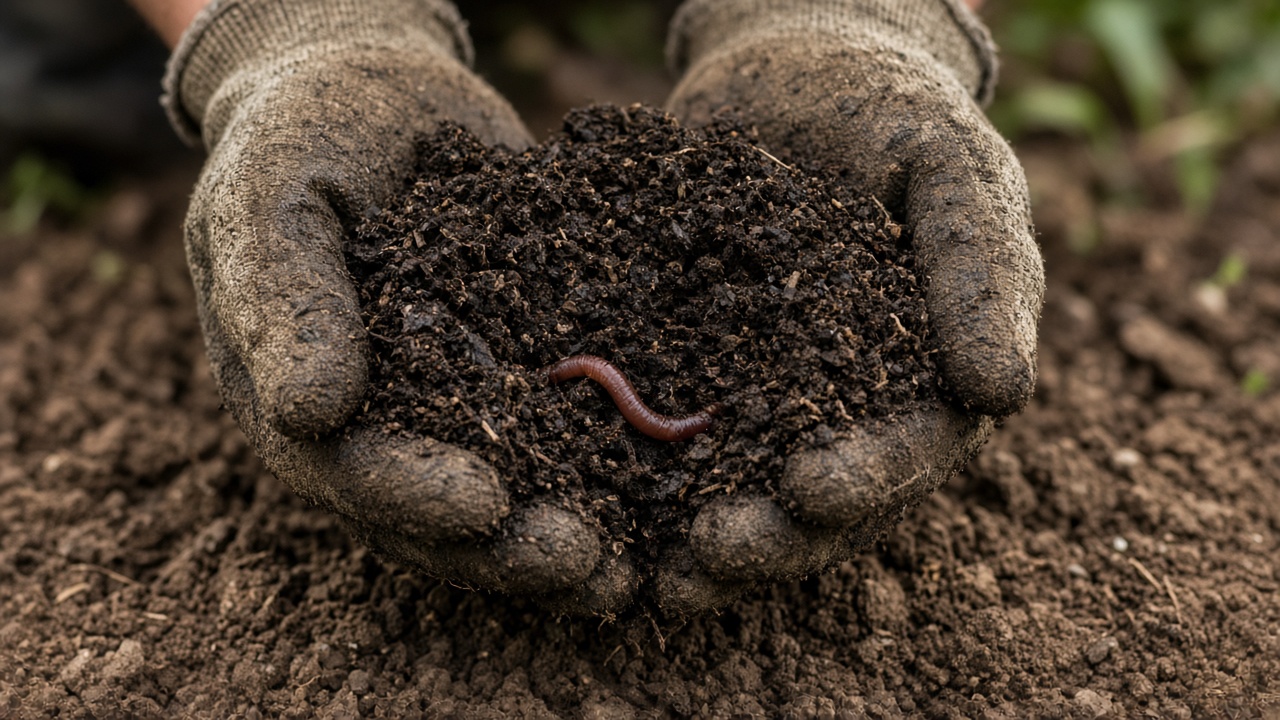
Compost maturity is closely linked to the C/N (carbon-to-nitrogen) ratio. The ideal starting mix is 25–30:1; in mature compost the ratio drops below 20. When immature material with a high C/N ratio is applied, microorganisms can temporarily tie up soil nitrogen and plants may turn yellow.
When to Use Compost and When to Use Fertilizer?
The choice depends on the current condition of your soil and on your goal. In practice, this split works well:
- Compost first: soils that are low in organic matter, compacted or poor at holding water; new planting areas, landscaping and parks, greenhouse soil preparation, and slopes at risk of erosion.
- Fertilizer first: field and greenhouse production where a soil test shows a specific nutrient deficiency and a high yield is expected within the season.
- Both together: in most crop production, compost improves soil structure over the long term while fertilizer covers the seasonal nutrient gap. When compost is used, the fertilizer requirement often goes down.
For greenhouse details, read our article on using compost in greenhouses.
Warning: Immature compost can harm seedlings and seeds because of its high C/N ratio and phytotoxic compounds. Always check maturity before application.
How to Plan Compost and Fertilizer Rates?
The right rate is based on analysis, not guesswork. There is no universal "pounds per acre" figure for compost or fertilizer; the rate changes with the soil, the crop and the compost itself. This is the logic we recommend:
- Test the soil Have a lab measure organic matter, pH, salinity and key nutrient levels.
- Analyze the compost Get the moisture, organic matter, nutrient content and maturity values of the compost.
- Define crop demand Work out the seasonal nutrient requirement of the crop with an agronomist.
- Credit the compost Subtract what the compost will supply, keeping in mind that it releases nutrients slowly.
- Close the gap with fertilizer Cover the remaining deficit with a suitable fertilizer, ideally in split doses.
- Monitor and adjust Repeat the soil test at the end of the season and update the plan.
We explain how to measure compost properties in our article on compost quality control.
How to Use Compost from ReBorn Cycle Machines?
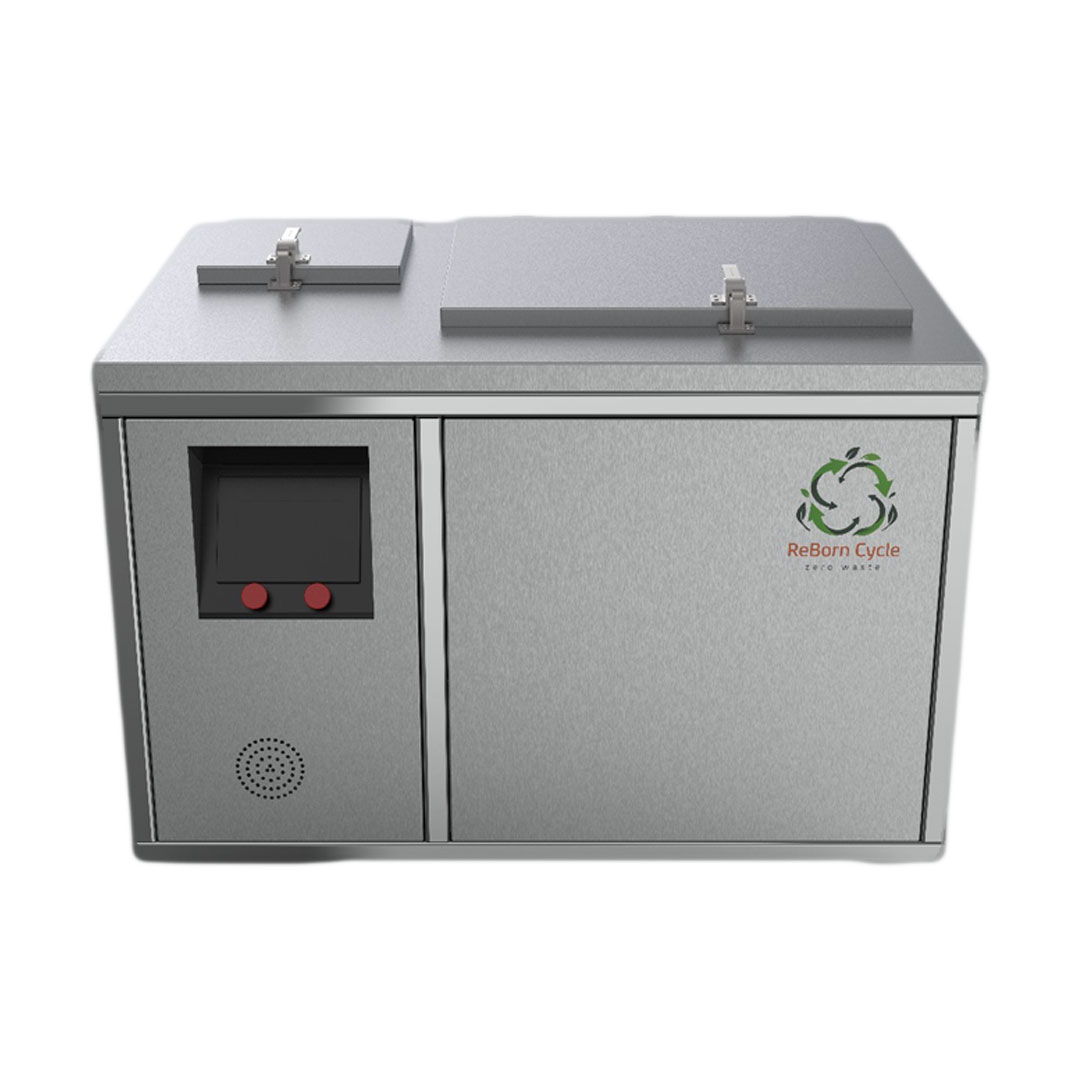
ReBorn Cycle compost machines process organic waste in a closed vessel with controlled temperature, aeration and mixing. The RBN-C250 Compost Machine, for example, handles up to 250 kg/day of organic waste and suits large hotels, production plants and campuses. For kitchen waste with balanced moisture, the in-machine cycle is typically 24–48 hours.
What comes out of the machine is a stabilized, hygienized pre-compost / compost material. Depending on the intended use, we recommend a curing (maturation) period of a few weeks. In our installations we usually see this material used as a soil conditioner on the facility's own landscaping, in garden and potting soil blends, or by partner farms.
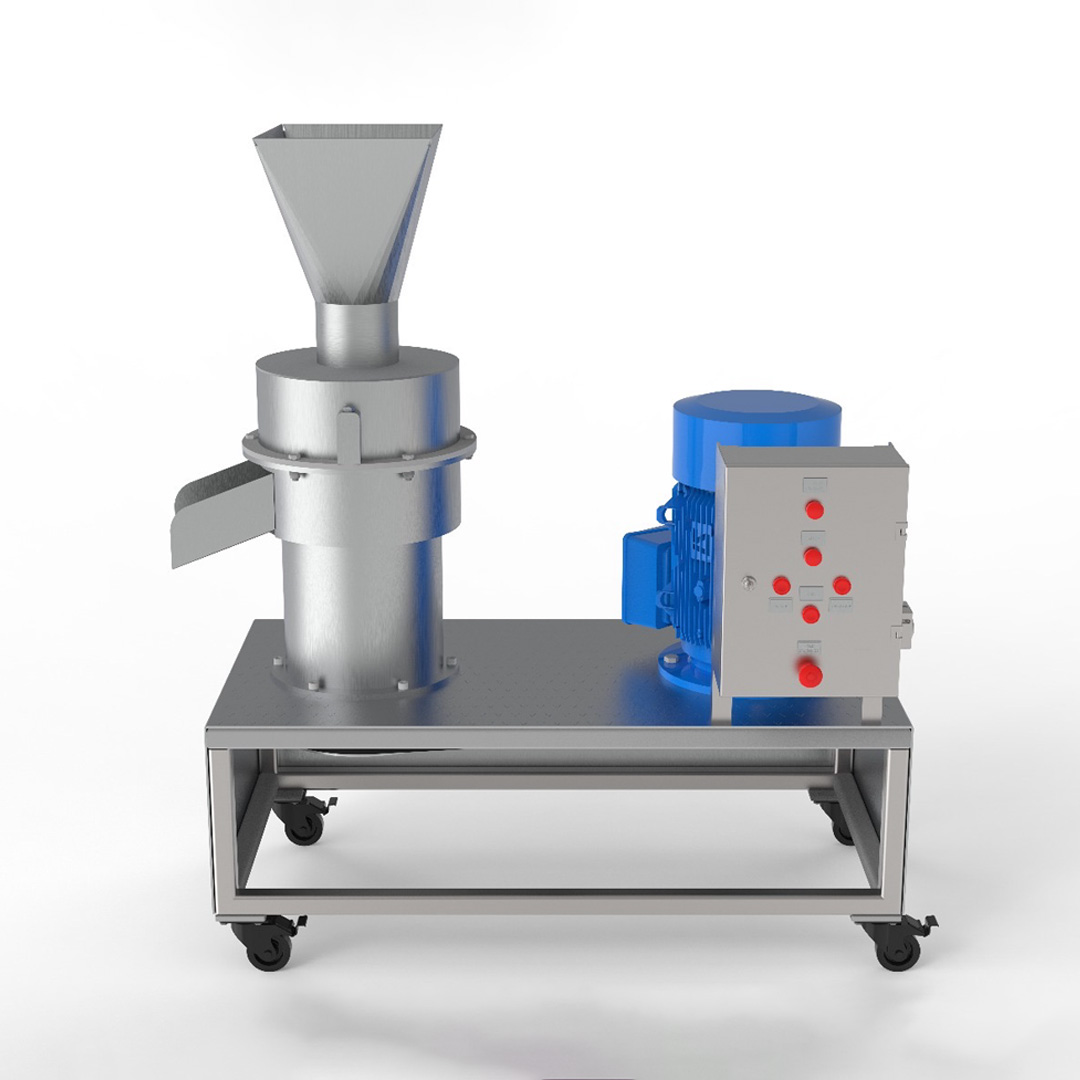
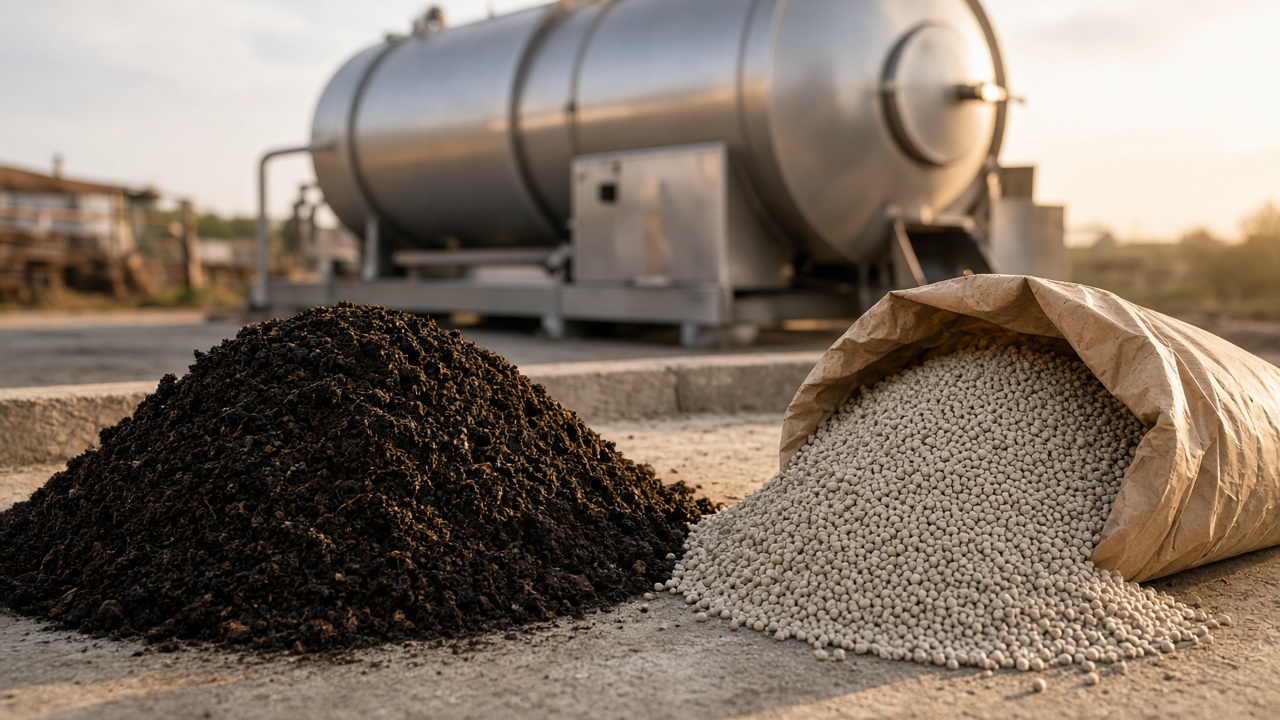
For operators who want to sell compost or ship it over longer distances, pelletizing with the Pellet Machine is an option; we cover the process in our article on how compost pellets are produced. If you plan commercial sales, check the quality criteria and fertilizer rules that apply in your market; in Turkey these are the Turkish Compost Communique and the regulations of the Ministry of Agriculture and Forestry.
Frequently asked questions
Can compost be used instead of fertilizer?
Not entirely. Compost improves soil structure, organic matter and water retention, but its nutrient content is usually low and variable. In intensive crop production, compost reduces fertilizer demand but may not close the nutrient gap on its own. The most reliable approach is to plan both together based on a soil test.
Is compost an organic fertilizer?
Because it is organic in origin, compost is often called an organic fertilizer; technically it is first of all a soil conditioner. If it is sold commercially as an organic fertilizer or soil amendment, it must meet the local regulations, which in Turkey means the Ministry of Agriculture and Forestry rules and the quality criteria of the Compost Communique.
What is the difference between manure and compost?
Manure is an untreated organic nutrient source made of animal droppings and bedding; when fresh, it carries risks of pathogens, weed seeds, odor and root burn. Compost has passed a thermophilic phase and is a stable, hygienized material. Manure also becomes safer once it has been properly composted.
When should compost be added to soil?
Compost is usually worked into the topsoil a few weeks before sowing or planting, or added in autumn during soil preparation. It can also be spread on the surface as mulch. The key requirement is maturity; immature material can damage seedlings and seeds.
Is synthetic fertilizer or compost better?
They do different jobs, so they are not directly comparable. Synthetic fertilizer gives plants fast, measurable nutrients but adds no organic matter, and overuse can cause salinity. Compost improves soil health over the long term. In sustainable production, both are used together according to analysis results.
Can material from a compost machine be used right away?
The machine output is a stabilized, hygienized pre-compost material. It can be used for some purposes such as landscaping after a short rest, but for sensitive plants and seedbeds we recommend a curing period of a few weeks, depending on the use. Maturity can be checked by smell, temperature and a germination test.
Let us assess together what kind of compost your facility's organic waste can yield and which capacity fits; contact us for a site survey and capacity recommendation.