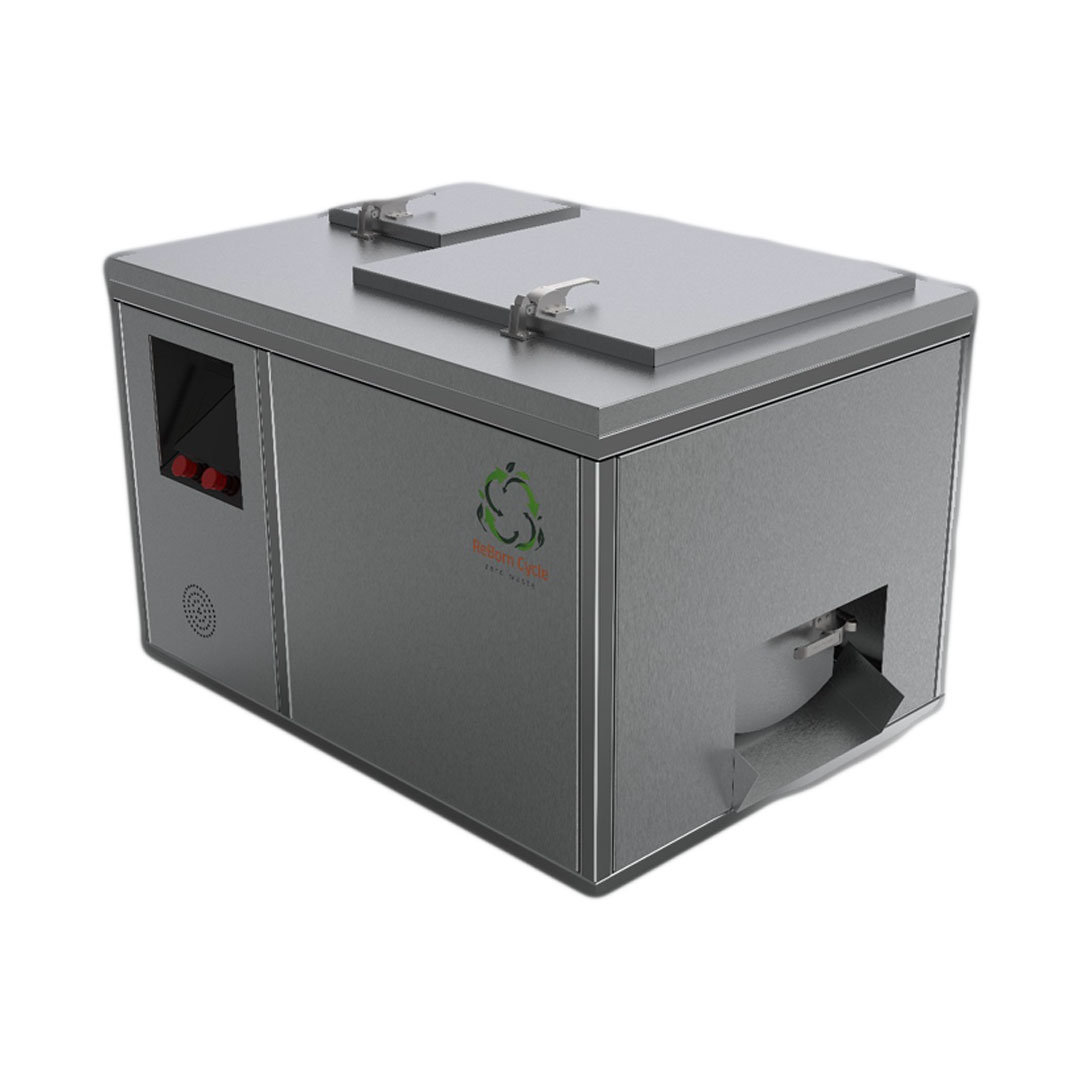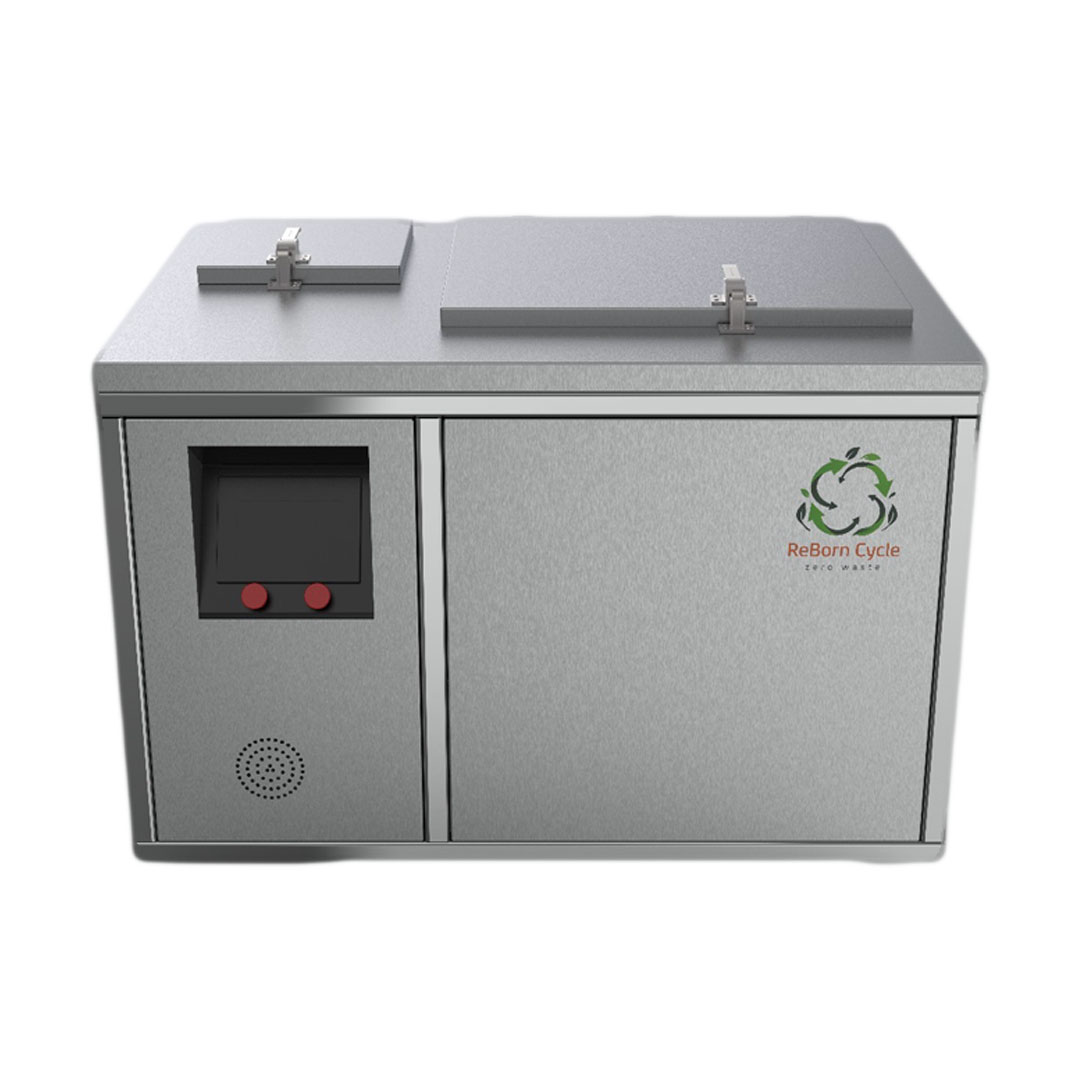


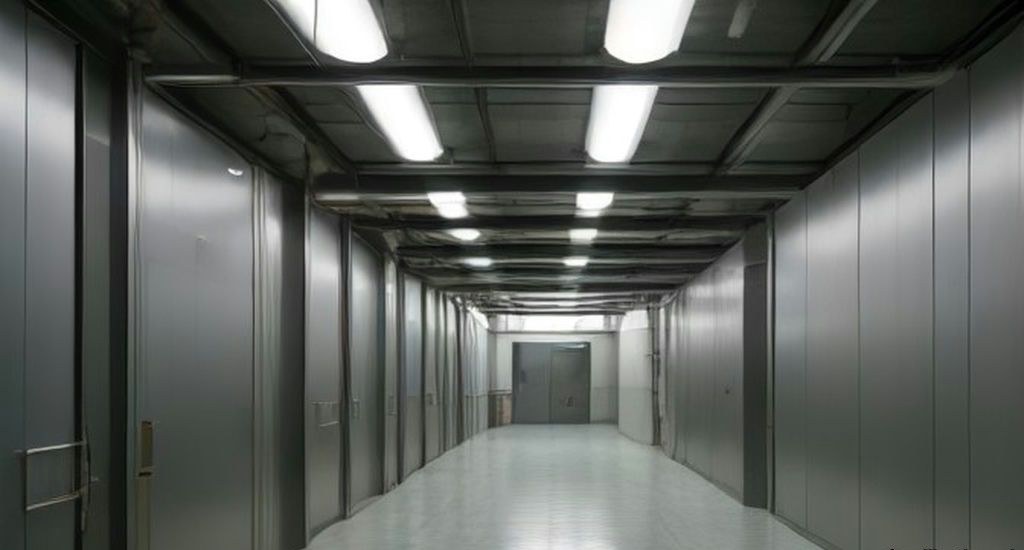
Industrial in-vessel compost machines produce noise from mixing drives, ventilation fans and loading cycles; placement in back-of-house service areas matters. Certified dB values must come from on-site measurement, not catalogue claims.
A compost machine does make noise. Mixing drives, aeration fans and charge/discharge movements create steady or cyclic sound. A closed vessel dampens some internal rattling but the unit is not silent. ReBorn Cycle does not publish one certified decibel figure for all sites; hotels, hospitals and malls should judge sound with on-site measurement against room layout and local limits.
Facility managers worry about noise as much as odour when adding compost capacity. Installation area requirements and corridor distances decide whether guests or patients will hear the plant room hum. This article maps sound sources, mitigation, room choice and when abnormal noise signals a fault.
How Noisy Is a Compost Machine in Normal Operation?
An industrial compost machine is a small process line: drive, mixer or auger, heating circuit pumps and exhaust or recirculation fans run together. The closed shell absorbs some bangs inside the vessel; in the service room you still hear that the line is running. Compared with an open windrow or open skip, sound is often more continuous because the process may run around the clock or per shift.
Site surveys often ask for «how many decibels?». The engineering answer: we do not quote one certified dB for every building; wall build-up, door type, fan flow and neighbouring rooms change the result. In a typical hotel back-of-house layout with a double leaf door between corridor and machine bay, the goal is moderate conversation comfort in the corridor, verified with a sound level meter or acoustic consultant. Use your lease, workplace noise rules or project spec when internal limits are undefined.
Instead of a «silent machine» marketing claim, plan for the right room plus maintenance. How an industrial compost machine works shows which parts run and when.
Where Does Noise From a Compost Machine Come From?
Sound is not a single point source. The mixing motor and gearbox carry most mechanical noise, especially under heavy feed loads. The ventilation fan adds tonal flow noise along duct runs. Discharge doors, catches and lids produce short impacts. If the skid sits hard on concrete, structure-borne vibration travels into walls and ceilings.
| Source | Typical behaviour | Mitigation |
|---|---|---|
| Mixing drive | Steady or cyclic mechanical hum | Anti-vibration mounts, lubrication, alignment |
| Ventilation fan | Continuous airflow noise | Low-noise fan, duct lagging, roof discharge |
| Feed / discharge | Short door and drop events | Soft seals, scheduled loading, staff procedure |
| Floor transmission | Remote rumble in adjacent rooms | Inertia block, elastomer pads, wall separation |
Ventilation requirements help you route the fan line early so discharge points away from guest facades.
How Can Hotels and Restaurants Limit Compost Machine Noise?
In hotel kitchens the machine should sit in back-of-house service space near goods lifts and waste routes, not opening onto guest floors. Avoid sharing a wall with guest corridors or meeting rooms. If night mixing cycles are intensive, align programme timers with quiet hours where process temperatures still stay safe.
Double-sealed service doors, sleeved duct penetrations and a short «acoustic nook» (cupboards around the front of the machine) cut flanking paths. Waste cart routes should minimise sudden lid slams; tie handling to your hotel kitchen organic waste routine.
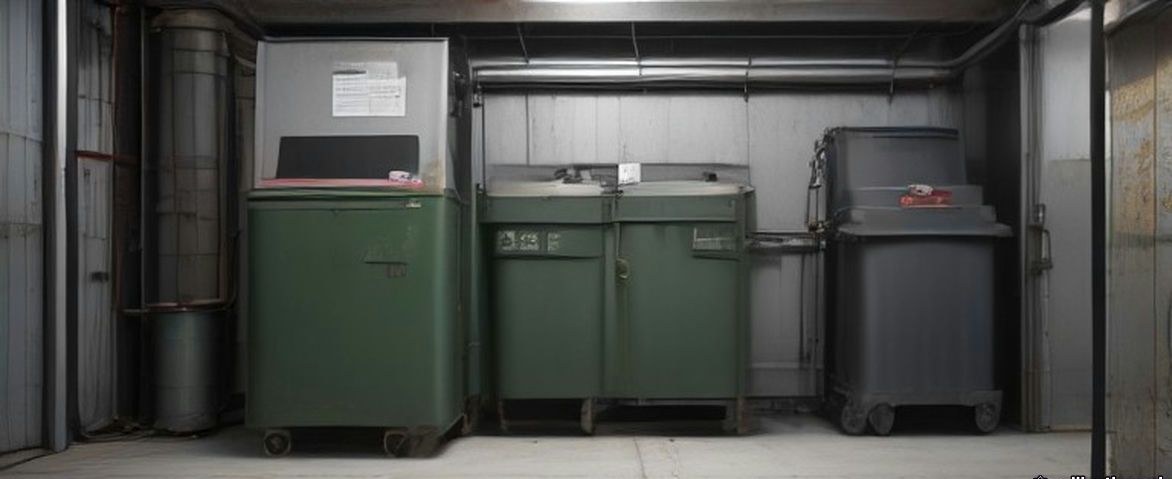
Mid-size kitchens often fit an RBN-C100 Compost Machine class unit in one service bay; central kitchens moving to RBN-C250 Compost Machine need a dedicated machine room and higher fan duty. Capacity growth usually increases airflow noise, so remeasure after any fan upgrade.
How Does Installation Location Prevent Noise Complaints?
Room choice is the second filter after odour and logistics. Acoustic separation belongs on the survey sheet alongside floor load and drains. Placing the skid directly under conference space or clinical wards remains risky even with extra lagging.
- Room shortlist Rank service, waste and plant rooms by distance from guest-facing facades.
- Shared walls Mark bedrooms, lobbies and offices; rotate the machine or send fan discharge to the roof if needed.
- Baseline measurement Record ambient levels before commissioning and under load at agreed points; compare with project limits.
Use installation area requirements as the checklist. Smaller sites may use RBN-C50 Compost Machine with a smaller footprint; room selection still dominates perceived noise.
Tip: Where night fan speed reduction is allowed by process alarms, plan inverter control so temperature limits are not compromised.
How Does ReBorn Cycle Assess Noise During Installation?
During surveys ReBorn Cycle records kg/day, which wall carries vibration and where the fan discharges. Consulting tags alternative rooms with coarse risk (low / medium / high); definite decibel results need measurement on site. Standard fan and motor choices follow process safety; «quiet package» requests become project specs with fan type and insulation clauses.
Commissioning through technical support covers door adjustment, alignment and loose hardware; new noises in week one are often maintenance gaps. Operators learn normal hum versus metal scrape, squeal or fan wobble. Keep measurement reports for warranty disputes.
Promising «neighbours will never hear it» without data is poor engineering. Book an site survey appointment to align layout with volume calculations and involve an acoustic designer when the brief requires it.
Does Abnormal Noise Mean a Compost Machine Fault?
Often yes. Sudden level jumps, off-beat knocking or fan tick usually mean mechanical trouble: worn bearings, loose auger or foreign object in the mixer. Fan imbalance raises whine; frequent motor trips need joint review of load and sound.
Daily logs can note whether sound returned to baseline. Stop safely and compare with fault symptoms before entering the vessel. Planned service checks lubrication, blades and fan fixings; neglected items shout early through noise.
Warning: Silencing the plant by shutting fans and mixing can drop temperature and raise hygiene risk. Call service instead of bypassing process limits.
File a service request with sound description, room location and run hours to speed diagnosis.
Frequently asked questions
Can guests hear a compost machine running at night?
It depends on wall type, floor and fan routing. In a proper service bay many hotels see little transfer to bedrooms, but night measurement is the proof. Keep plant away from guest corridors.
Is there a guaranteed decibel rating for compost machines?
ReBorn Cycle brochures do not state one certified dB for all installations. Sound varies with building and operation. Define measurement points and limits in the project specification.
Will noise reduction harm the composting process?
Cutting fan speed or mixing without control can disturb temperature and oxygen. Insulation, room choice and maintenance protect the process. Change parameters only with operator approval.
Is a closed compost machine quieter than an open windrow?
A closed unit concentrates sound in the plant room with steady hum outside. Open windrows need fewer machines but other sporadic activity. Compare case by case on site.
Which model fits a small restaurant with less noise impact?
Measure kg/day first. Low volumes may fit C50 or C100 in one service room; louder components still scale with motor and fan duty. Narrow models with the capacity selector, then confirm on site.
What should we do if fan noise spikes suddenly?
Secure shutdown, external visual check only, then call service. Blocked duct or bearing failure are common. Running hard risks motor damage.
Right Room and Measurement for Compost Machine Noise
A compost machine is not a domestic quiet appliance. With the correct service room, duct routing and maintenance you protect guest and staff comfort. Use layout drawings and measurement reports instead of catalogue decibel numbers; a brief listen each shift helps operators learn normal sound.
Hotels, hospitals and malls that plan the machine in architectural stages save wall upgrades, silencers and night-operation disputes later. Treat abnormal noise as an early fault flag; switching fans off is not a sustainable fix and weakens process safety.
To align capacity and room choice, book a site survey appointment or use consulting to compare layouts with noise risk included.