

Flies appear in compost when fresh food waste stays uncovered, too wet, or below about 40 °C. A closed lid, 55–65 °C, and a clean floor break the breeding cycle.
Flies appear in compost when fresh food waste stays uncovered, wet, and cool. Fruit flies breed in fermenting fruit and vegetable pulp. House flies breed in wet organic piles and open bins. A closed lid, 55–65 °C, mixing, no overnight open bins, and a clean floor shut the breeding site. Insecticide does not fix the cause.
Kitchen supervisors often treat flies as a failed heater. On site surveys the picture is plainer: plate waste sits in an open bin overnight, greasy pulp collects in the floor grate, and the mass never heats. This article shows how to tell fruit flies from house flies, how moisture and temperature speed breeding, and what to do on the first day. Odour usually comes from the same gap. See how to control odour in organic waste.
How Do You Tell Fruit Flies From House Flies?
Fruit flies (Drosophila) are about 2–4 mm long, with reddish eyes, and hover over peel and sugary pulp. Warm, moist conditions take them from egg to adult in roughly 7–10 days. The larva is small and whitish and usually stays in the pulp.
House flies (Musca domestica) are 6–8 mm and grey. They breed in wet scraps, greasy pulp, and manure-like buildup. In a warm kitchen the egg can hatch by the next morning, and the larva takes about 4–7 days to pupate. An open bin overnight can show maggots by morning.
Both want fresh, uncovered food. Soil-smelling mature compost is not a breeding medium. Flies on it usually come from fresh waste beside it. Larger, darker soldier-fly larvae also want wet protein, not finished compost.
The species changes the first move. Cover peels, citrus, and sugary pulp the same day for fruit flies. Remove fatty plate waste, meat juices, and floor buildup for house flies. A spray that drops adults leaves eggs and larvae behind. This is not a pesticide guide and names no insecticide.
What Do Flies in Compost Tell You?
The symptom shows where fresh waste waited. These pairs are what we usually see on surveys. The first action always closes the breeding site.
| Symptom | Likely cause | First action |
|---|---|---|
| Small flies on fruit | Open fermenting peel, high moisture | Cover it or feed the machine |
| White maggots in the bin | Open overnight, mass still cool | Empty it and close the lid |
| Flies at the door seal | Lid ajar or gasket gap | Close the lid, check the gasket |
| Flies on the floor or drain | Greasy pulp on the floor | Wash up and clean the strainer |
| Flies on mature compost | Fresh waste beside it | Separate fresh from mature |
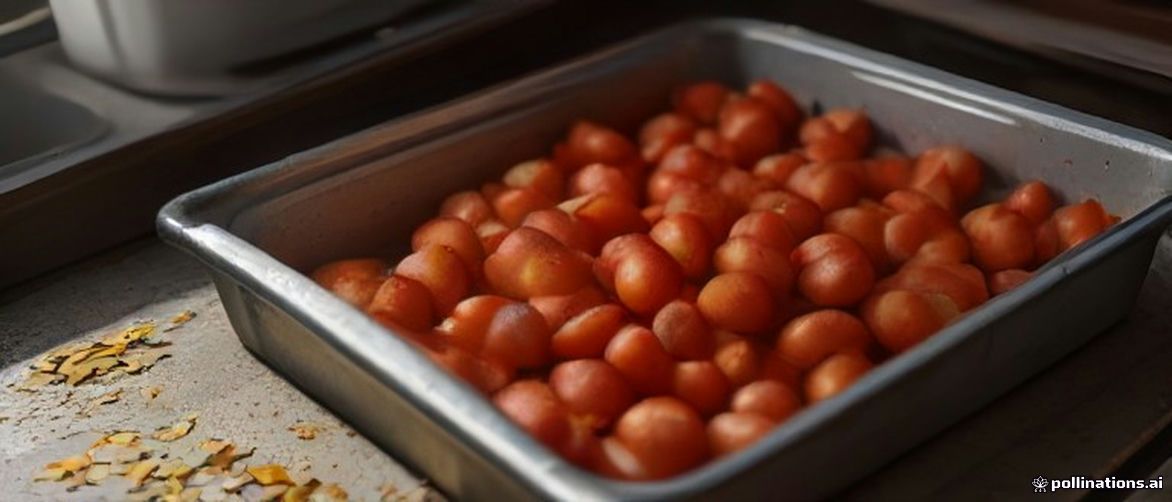
The open peel tray is the breeding site. The dark pile beside it is not.
Warning: Do not spray insecticide into the vessel, onto a curing pile, or into the food bin. Residue can enter the output, and larvae are not always killed. Fix the lid, moisture, and temperature first.
How Do Moisture and Temperature Speed Breeding?
Flies do not like the hot phase. Fruit flies speed up around 20–30 °C in high moisture. House-fly larvae are comfortable in wet protein waste at 25–35 °C. The hot phase is 55–65 °C. Several days above 55 °C reduces pathogens and weed seeds and stops larval development.
Aim for 50–60% moisture. A squeezed handful should release a few drops, not a stream. At 70% and above, fatty plate waste leaves a film that suits odour and flies. Below 5% oxygen the mass cools and gets wetter. Mixing carries heat into corners a short spike never reaches.
The bars are a schematic, not a count. A taller bar means conditions that suit breeding. Aerate a cool, wet mass first. Bring moisture to 50–60% with dry leaves, straw, or a little sawdust, and stop when the squeeze test improves. Sawdust is very high in carbon. Read both settings in how to set compost moisture and temperature.
What Does an Open Bin Overnight Do?
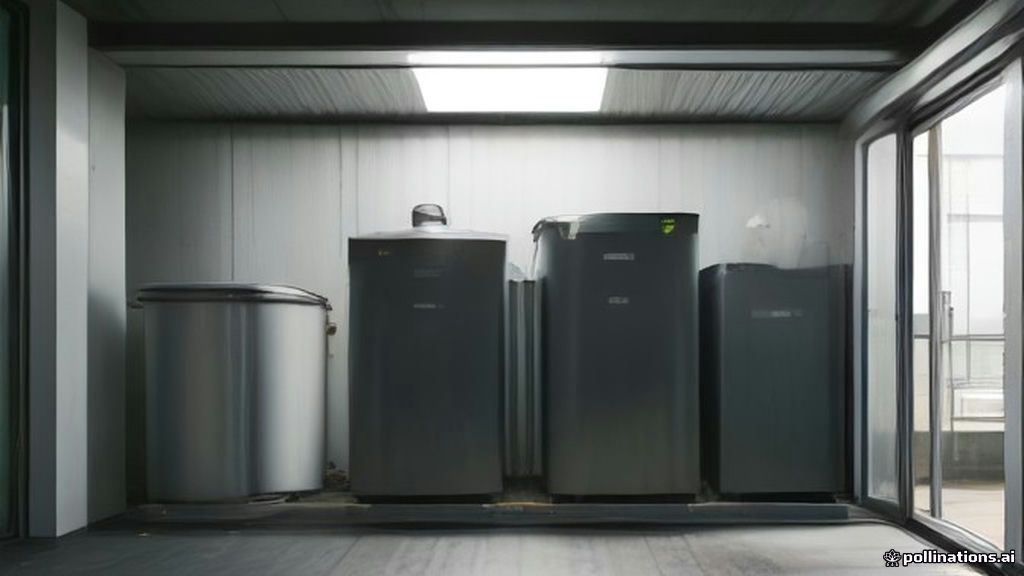
In a hotel kitchen, flies usually start before waste enters the machine. If plate waste sits open after service, eggs may already be laid by morning. Use a lidded bin, preferably a pedal bin, and empty it before it is full. With no night shift, the last emptying is at closing.
As an example, not a measured site record: a bin left open until 08:00 in a warm kitchen can show maggots the next day. What matters is the weight you record and the hours the lid is off.
A torn screen lets adults in, but it does not replace a lid. Open waste can still breed flies indoors. The floor grate and drain strainer are a second breeding site, because greasy pulp stays wet there. Brush them with hot water, including under the bin and around the machine. A hose alone spreads the film.
Tip: Keep fresh waste and curing output in separate lidded containers, even in the same room. An open bin next to mature material turns both into a complaint.
Put bin, floor, and lid on the shift list using the checks in the compost-line hygiene protocol.
How Does a Closed Machine Stop Flies?
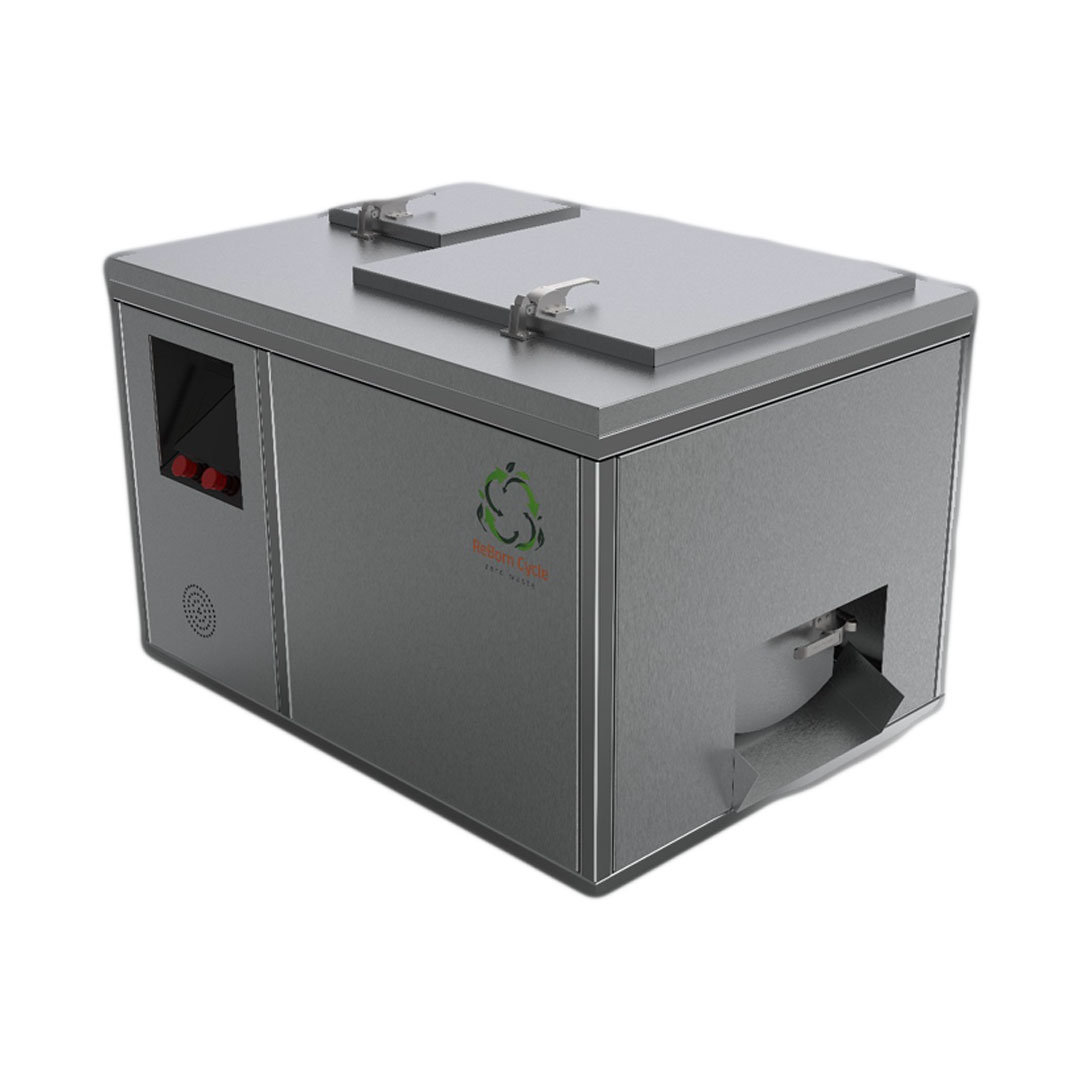
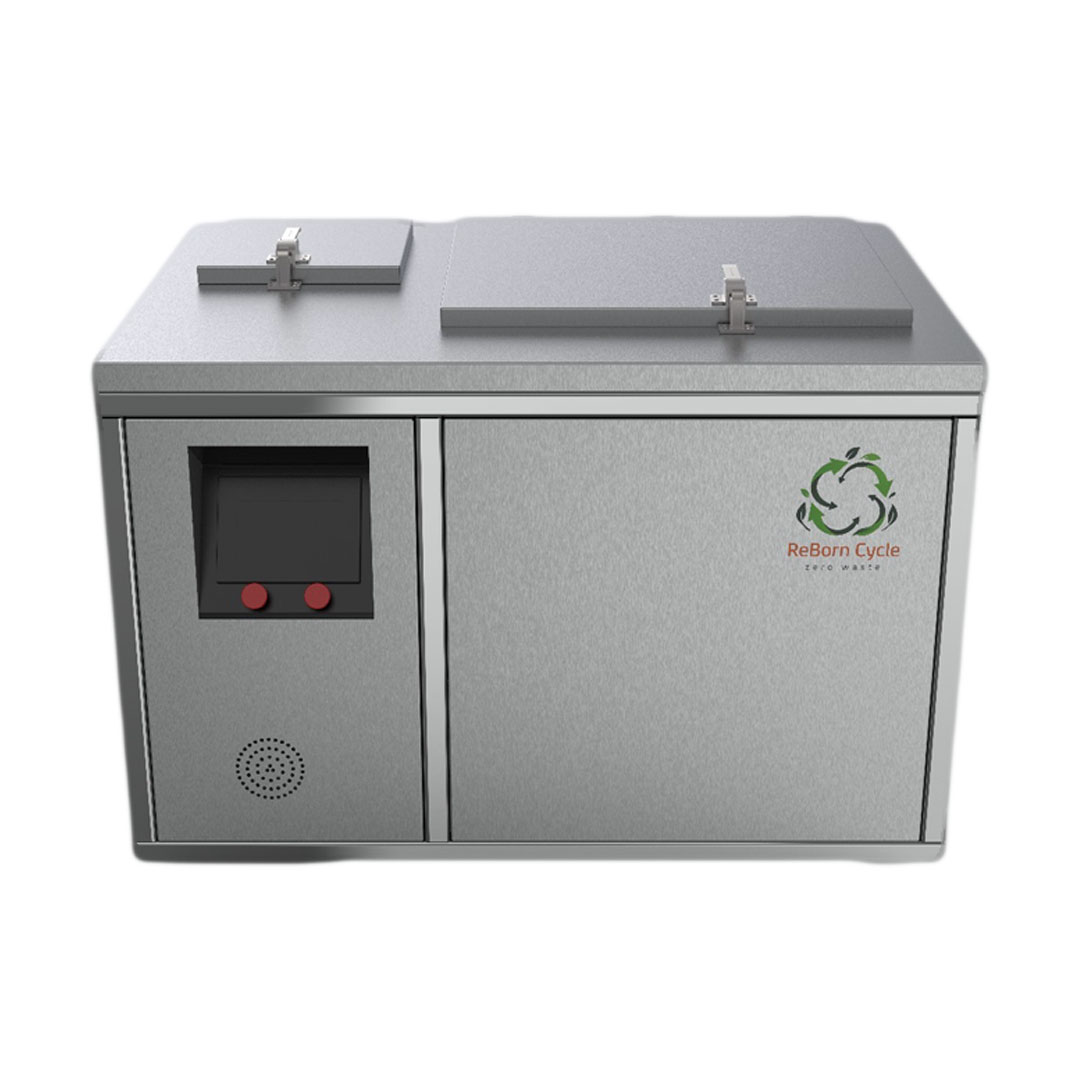
A closed, heated, mixed vessel removes a fresh surface, a cool mass, and an open bin at once. In a ReBorn Cycle machine, kitchen waste enters the vessel with temperature, aeration, and mixing under control. Balanced moisture usually means a 24–48 hour cycle. Fatty waste or irregular feeding can take 48–72 hours. The output is stabilized pre-compost. Full maturity still needs a few weeks of curing, depending on use.
About 50 kg/day, for a hotel, school, or mid-size kitchen, fits RBN-C50 Compost Machine. About 100 kg/day, for a hospital, mall, or mid-size site, fits RBN-C100 Compost Machine. About 250 kg/day, for a large hotel, plant, or campus, fits RBN-C250 Compost Machine. Choose from measured kg/day plus a margin, not from the nameplate alone.
- Close the bin. Feed waste that has been sitting open during the same shift.
- Check moisture. If the squeeze is wetter than a sponge, add dry carbon and squeeze again.
- Confirm 55 °C. If the mass stays below that for several days, check feeding rhythm and aeration.
- Finish the floor. Brush the grate, the threshold, and under the bin at the end of the day.
If flies remain once the lid, moisture, and temperature are in range, the gap may be the gasket, the drain, or the feeding hour. We separate those on site with technical support. What the operator logs each day is set in operator training. The biology of the cycle is in how compost is made.
Frequently asked questions
Are maggots in compost harmful?
Maggots are fly larvae, not a disease that ruins compost. They mean fresh, wet waste was left open. Empty the bin, close the lid, and bring the mass to about 55 °C. Mature material that smells like soil should not hold maggots. If it does, fresh pulp is beside it.
Should you spray insecticide on compost?
No. Do not spray insecticide into the vessel, onto curing material, or into the food bin. Residue can enter the output, and eggs and larvae are not always killed. Close the lid, hold 50–60% moisture and 55–65 °C, and wash the floor. No commercial product is named here.
Can a closed compost machine still get flies?
Breeding is hard in a closed vessel when the lid stays shut and the mass is near 55 °C. Flies more often start at an ajar lid, a gasket gap, or an open bin before the machine. A 24–48 hour cycle does not help if the bin stays open overnight. The lid and the floor decide as much as the vessel.
Does 55 °C kill fly larvae?
Larvae stop developing in a mass held above 55 °C for several days. A brief spike does not clear cool pulp at the bin edge. Mixing moves heat into the corners. If moisture is above 70%, lower it to 50–60% before you judge whether the temperature holds.
Does mature compost attract flies?
No. Mature compost smells like soil and is not fly food. Flies on it come from fresh waste, a wet floor, or an open bin nearby. Keep the output lidded and apart from fresh pulp. Material leaving the machine is pre-compost and still needs a few weeks of curing, depending on use.
A Daily Routine for Fly-Free Compost
Flies are a short report from the process. If fresh food is exposed, the mass is wet, or it sits below about 40 °C, fruit flies and house flies can show up within a few days. A closed lid, 50–60% moisture, 55–65 °C, and an end-of-day floor clean break that cycle. Insecticide does not replace the lid. Close the breeding site first.
A small kitchen needs bin discipline and on-time feeding. A hotel that produces tens of kilograms a day needs measured kg/day, a lid routine, and an operator log. Weigh the waste for 7 days and note which shift the flies increase on. That record is what speeds the capacity and layout decision.
If flies continue after the lid, moisture, and temperature are corrected, look at the room itself. Book a free site survey to see the waste flow, the bin layout, and the installation space together. Set the daily order before staff inherit it, so the same complaint is less likely to return next month.