

Yes, you can compost in winter. An open pile slows below about 10 °C; the microbes do not simply die. A closed, heated machine holds 55–65 °C when it is fed and aerated.
Yes, you can compost in winter. In an open pile, microbial activity slows below about 10 °C; the microbes do not die, and the process speeds up when the weather warms. A closed, heated machine can hold 55–65 °C while it is fed and aerated. Moisture, frozen pieces and the cold feeding rhythm decide the result.
In January many kitchen managers look at an open pile and assume composting has stopped. The pile is cold, the edges are frozen and the odour has faded. That is a slowdown, not a failure. This article covers why an open pile loses pace around 10 °C, how a closed machine holds temperature, what moisture and frozen waste do, and what a hotel kitchen should change in January. For the basic steps, see how to make compost.
Why Does a Compost Pile Slow Down in Winter?
Compost organisms work by temperature. The thermophilic phase that reduces pathogens and weed seeds is 55–65 °C. An open pile must make that heat from its own mass. Below about 10 °C, heat loss overtakes microbial heat, and the pile cannot reach a thermophilic temperature.
The microbes have not simply died. Many species slow their metabolism or shift into a hardy form. When the weather warms, the same pile starts again without being rebuilt. In a garden bin that pause can run from January to March. A large windrow core can stay warm if the mass was already hot and big enough to insulate itself.
Turning is harder too. A frozen crust blocks oxygen, and if oxygen drops below 5 % the pile smells bad on the first mild day. An open winter pile is slow and uncontrolled, not spoiled. Waiting suits a garden, not a kitchen that produces waste every day.
How Does a Closed Machine Hold 55–65 °C in Winter?
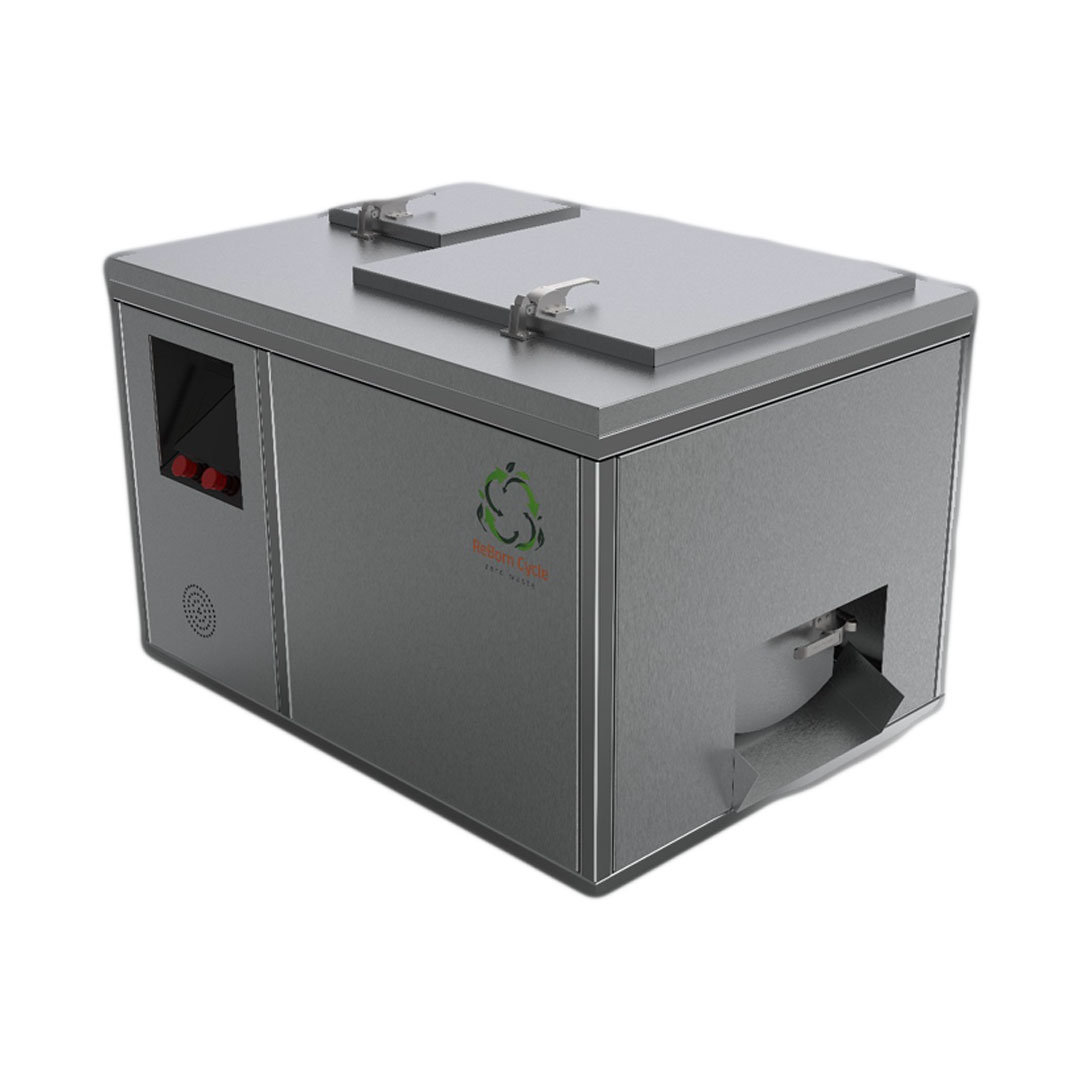
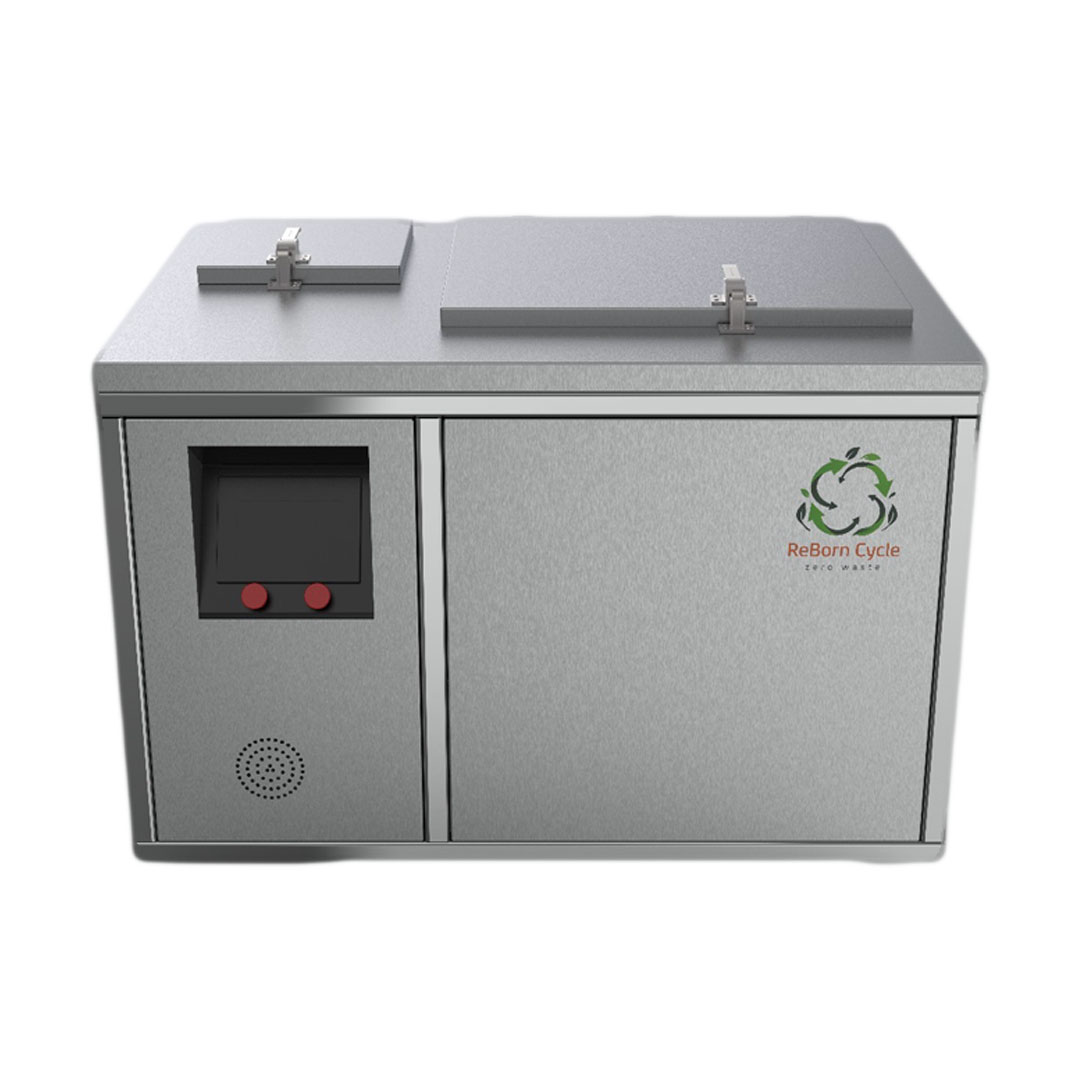
A closed, heated and aerated compost machine does not follow the outdoor temperature. The vessel is enclosed and insulated; temperature, air and mixing are controlled. With balanced moisture and a regular feed, the active phase still takes 24–48 hours in winter. Fatty waste or irregular feeding can stretch that to 48–72 hours.
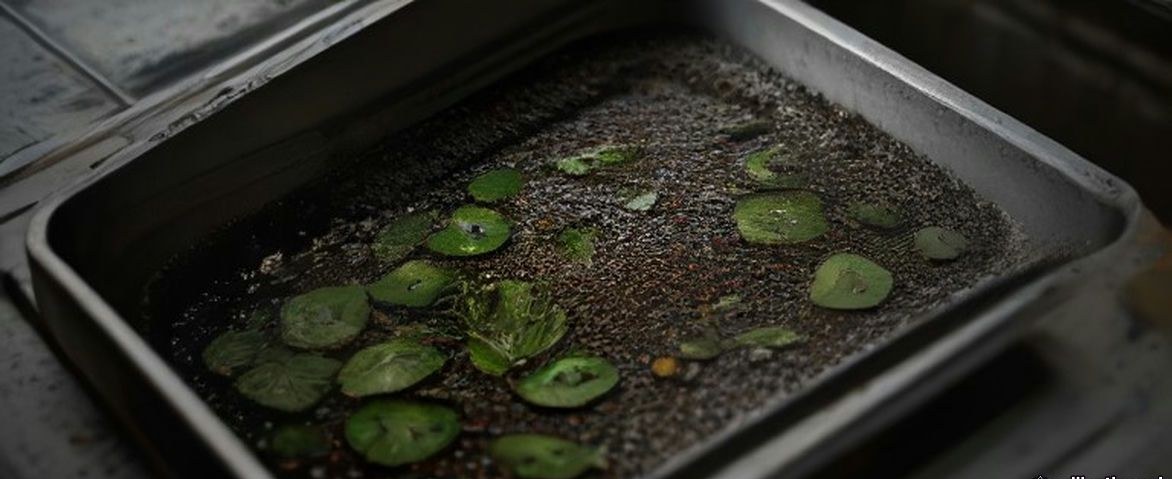
The winter risk is a large cold load pulling the hot mass down at once. Aeration draws in cold outside air. Heating and biological heat can balance a normal feed, but a hatch left open, or a near-capacity load of icy waste, drops the temperature for hours. The internal process is in how an industrial compost machine works.
The output is hygienized pre-compost. Mature compost still needs a few weeks of curing, and outdoor curing in a freeze slows as well. A closed space that stays above freezing is more predictable in winter.
Open Pile vs Closed Machine in Winter
The same kitchen waste behaves differently in the two systems in January.
| Criterion | Open pile | Closed heated machine |
|---|---|---|
| Temperature | Falls with the air, often below 10 °C | 55–65 °C if fed and aerated |
| Active time | Stretches for months; stops if frozen | 24–48 hours, then a few weeks of curing |
| Moisture | Snow, rain and meltwater upset it | Closed vessel, target still 50–60 % |
| Frozen waste | Sits on the edge and does not mix | Drops the temperature if fed still frozen |
| Odour | Fades in the cold, returns when warm | More controlled in a closed system |
| Fits | Garden and a large outdoor site | Hotel, hospital, factory kitchen |
An open pile still suits a garden that can wait until spring. A hotel, hospital or factory kitchen produces waste every day. Waiting for odour to return with warmer weather is not an operating plan. Timing is covered in how long a compost machine takes.
What Happens to Microbes and Moisture in the Cold?
The bars below are a schematic of relative microbial activity against ambient temperature, not a laboratory chart. They put the drop below 10 °C and the 55–65 °C machine band on one scale. The numbers are a relative index, not a measured percentage.
Winter moisture is still 50–60 %. Frozen waste releases its water as it thaws, and the mix turns too wet. Heated dry air can dry the mass instead. If a handful gives more than a few drops, add dry leaves, straw or a little sawdust. Thaw and break a frozen block before feeding. Targets are in setting compost moisture and temperature.
Tip: Do not feed a frozen block whole. It sits in the vessel as a cold mass, pulls the temperature down and loads the mixer. Thaw it, break it to fist size and drain the meltwater.
What Should a Hotel Kitchen Change in January?
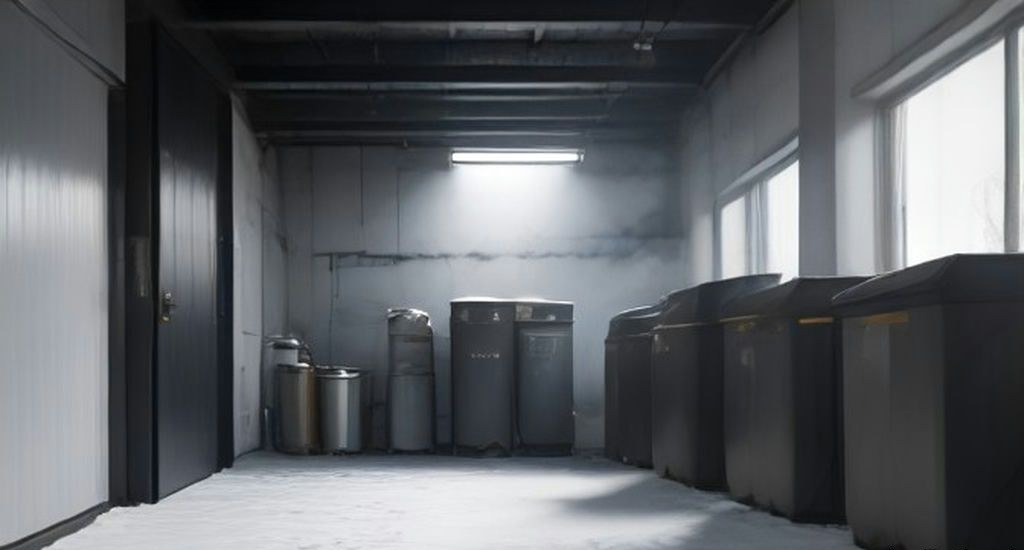
On winter surveys the same pattern shows up. Crates sit on the loading bay overnight, go in as one morning tip, and meltwater pushes moisture above 60 %. As an example, 80 kg at about 2 °C cools a 60 °C mass sharply; split in two, the same weight recovers faster.
- Keep the crate indoors. Leave it overnight in a closed space that does not freeze. The bay is not a waste store.
- Break the ice and drain it. Break frozen pieces up. Send meltwater to the drain, not into the vessel.
- Spread the daily kilograms. Two smaller feeds per shift, instead of one cold tip.
- Read the temperature after feeding. If it is still below the band about an hour later, make the batch smaller.
- Add carbon if it is wet. Above 60 % moisture, add dry leaves, straw or a measured dose of sawdust.
The routine does not change machine capacity. It changes how fast a cold mass dilutes a hot one. Staff need a short reminder on top of summer training.
How Does ReBorn Cycle Run Winter Composting?
In ReBorn Cycle closed compost machines, temperature, aeration and mixing are controlled. In winter the team watches feeding rhythm and moisture, not a memorised set-point. Surveys show where crates wait, whether waste has frozen, and how the daily kilograms are split.
About 50 kg/day is the scale of the RBN-C50 Compost Machine, 100 kg/day of the RBN-C100 Compost Machine, and 250 kg/day at a large hotel or campus of the RBN-C250 Compost Machine. Capacity follows measured waste. Winter does not call for a larger machine. Fatty waste can run 48–72 hours, and that shows up more often in the cold.
Operators are shown the winter feed at installation. If temperature does not return to the band, or mixing struggles with a frozen load, technical support covers faults, aeration and adjustment. A short hatch time stops cold air chilling the vessel for no benefit.
Frequently asked questions
Can you compost in winter?
Yes. An open pile slows below about 10 °C; the microbes do not die, and the process continues when the weather warms. A closed, heated machine can hold 55–65 °C while it is fed and aerated. Moisture and how you feed frozen waste decide the result.
Do compost microbes die in the cold?
No. Compost microbes do not die in the cold. Activity drops below about 10 °C; many species slow down or shift into a hardy form. A frozen garden pile can heat again in spring without being rebuilt. A thermophilic phase does not start by itself while the air stays cold.
Does an open compost pile stop completely in winter?
A small open pile practically stops once it freezes. The edges ice over and turning becomes impossible. A large core can stay mild for a while if the pile was already hot. Activity falls sharply below about 10 °C and nearly stops around 0 °C.
Will a closed compost machine still reach 55 degrees in winter?
Yes. A closed, heated machine aims for 55–65 °C while waste is fed and aeration is running. One large icy load pulls that band down for a while. Smaller batches and thawed waste help it recover. Balanced kitchen waste usually finishes the active phase in 24–48 hours.
Can you put frozen food waste into the machine?
Do not put frozen food waste in as a solid block. Thaw it where it will not freeze again, break it up and drain the meltwater. Do not pour that water into the vessel; moisture would rise above 60 %. Fist-sized waste at sponge moisture can be fed.
Why does winter compost swing between wet and dry?
Melting ice releases water at once, while warmed air can dry the mass. Both can show up in the same week. Squeeze a handful before each feed. More than a few drops means too wet; no water means it is drying out. The target is 50–60 % moisture.
Keeping Winter Composting on Track
Cold does not end composting. In an open pile, activity slows below about 10 °C and the microbes wait without dying. In a closed, heated machine, 55–65 °C can hold while feeding and aeration continue. Keep moisture at 50–60 %, thaw frozen blocks, and do not send the whole cold load in at once.
In a hotel kitchen the January rule is smaller, more frequent feeds. Do not leave the crate on the bay, drain the meltwater, and read the temperature about an hour later. Do not cure outdoors in a freeze. A few weeks indoors lets pre-compost become usable without waiting for spring.
To set that rhythm, see where the waste waits and how the daily kilograms are split. The consulting team does this through waste analysis and process design. To look at the loading area and the feed times together, book a free site survey.