Cycle time on industrial compost machines depends on model, waste type and moisture control. Typical ranges and the factors that move them.
ReBorn Cycle technical team — field installation and process consulting
There is no single answer to how many hours compost takes. It depends on the model, feedstock mix and operating discipline. This article clarifies realistic ranges and what shortens or extends the cycle.
What determines cycle time
Duration changes with feedstock moisture, particle size, fat and protein content, feeding frequency and the target maturity level. The nominal catalogue time must be validated against measured site input.
- Wet kitchen waste usually needs a longer cycle.
- A homogeneous mix and regular feeding shorten the cycle.
- Contaminants and excess fat slow the process.
Typical time ranges
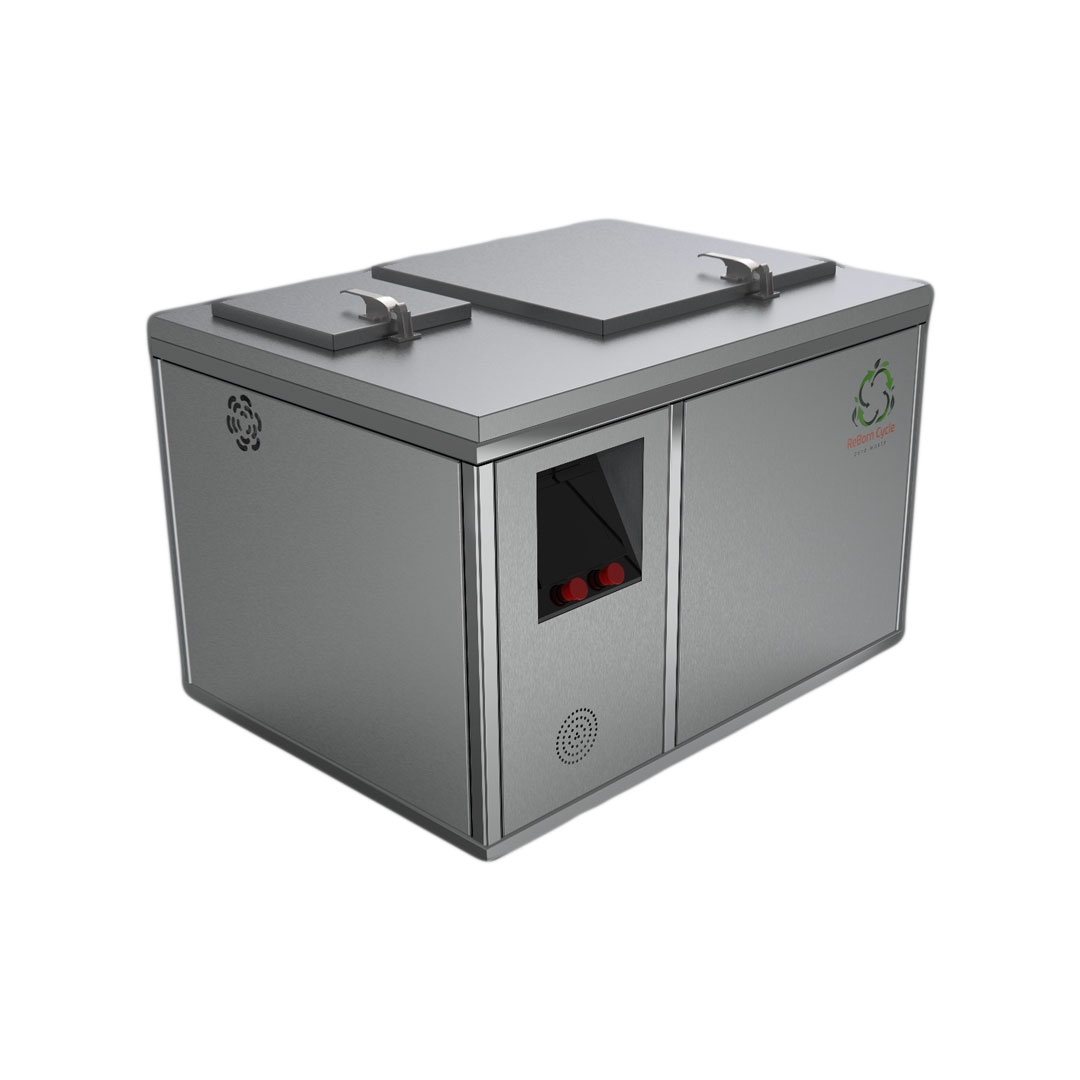
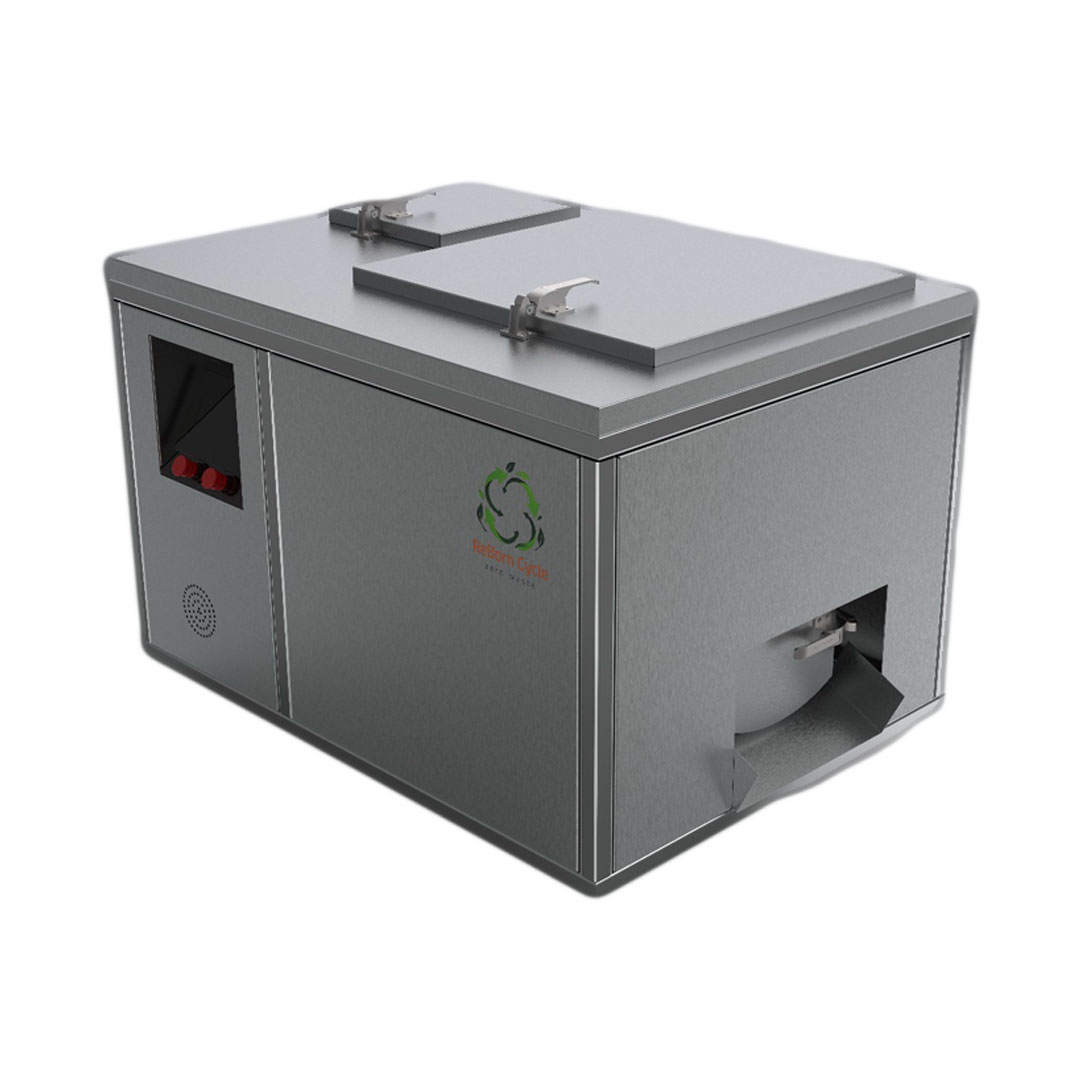
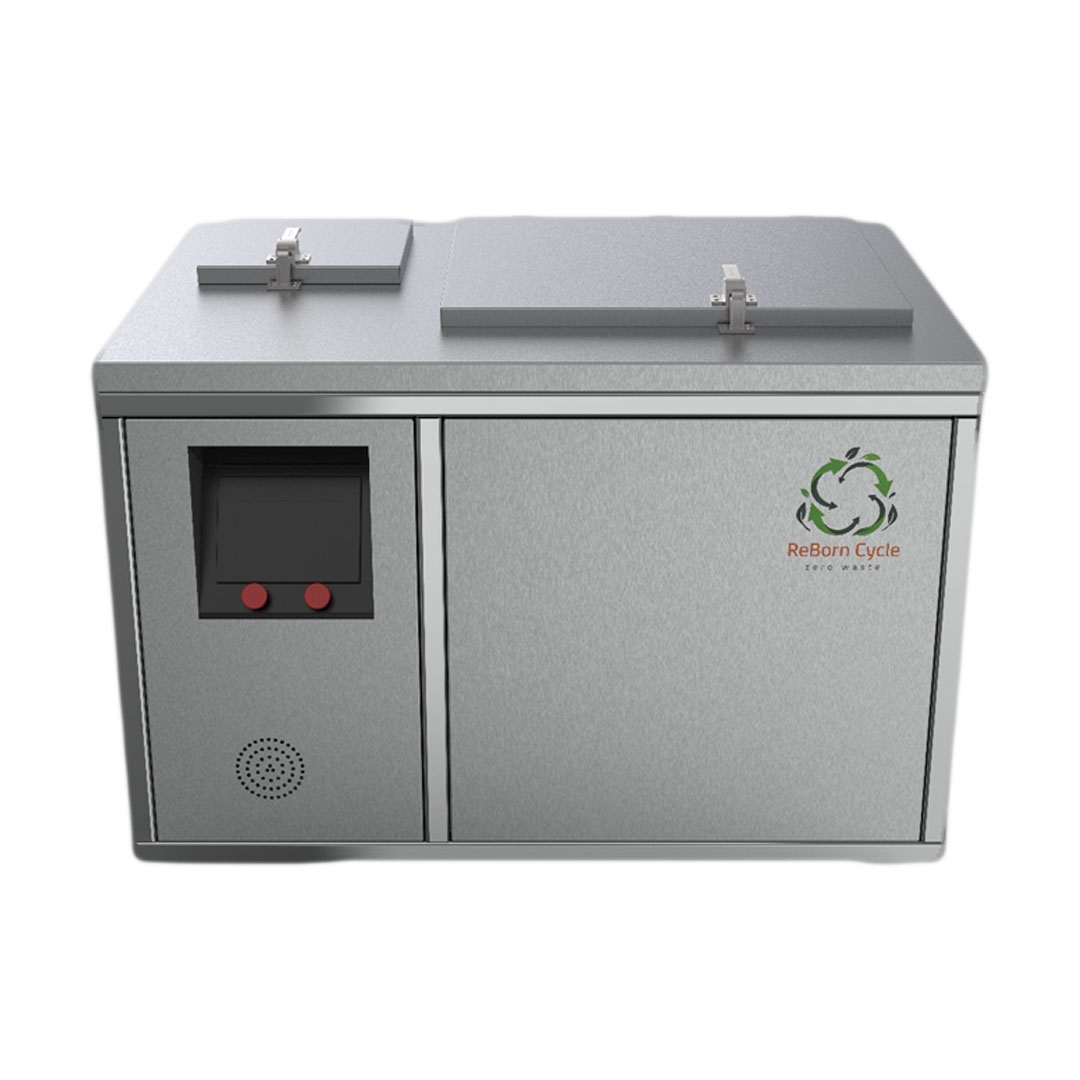
Figures are for preliminary sizing; they are confirmed with site data before a quotation. RBN-C100 and RBN-C250 offer different operating margins for the same target.
Checklist to stabilise cycle time
- Keep a 7-day weighing log.
- Write the moisture target into operator instructions.
- Fix feeding times in the shift plan.
- Check output by structure, odour and appearance.
Related product models
Related blog articles
- Composting Process Parameters: Temperature, Moisture and Feeding
- How to Size an Industrial Composting Machine
- How to set compost moisture and temperature
Frequently asked questions
Is compost always ready in 24 hours?
No. Nominal time applies under ideal feedstock conditions; moisture and mix deviations on site extend the cycle.
How can cycle time be shortened?
Fix sorting and moisture balance first; use a single intervention–observe loop instead of changing settings at random.
How is maturity judged?
Homogeneous structure, absence of sharp odour and fitness for the intended use route are the core indicators.
Does a longer cycle also raise energy use?
Usually yes. Extended heating and mixing increase consumption, so feedstock discipline also lowers operating cost.
Next step
Share your measured waste profile with the ReBorn Cycle team for a site-specific cycle-time estimate. Contact us.