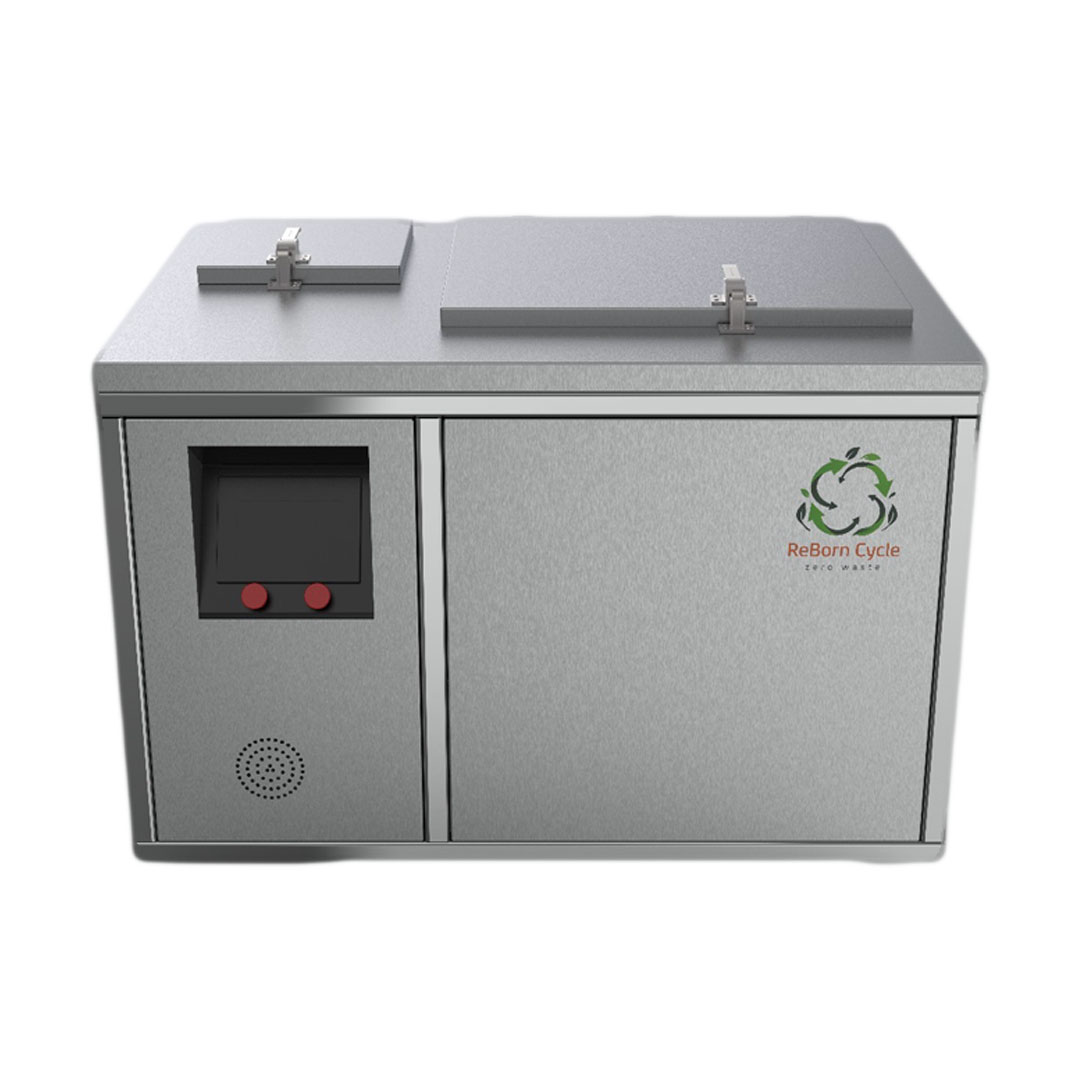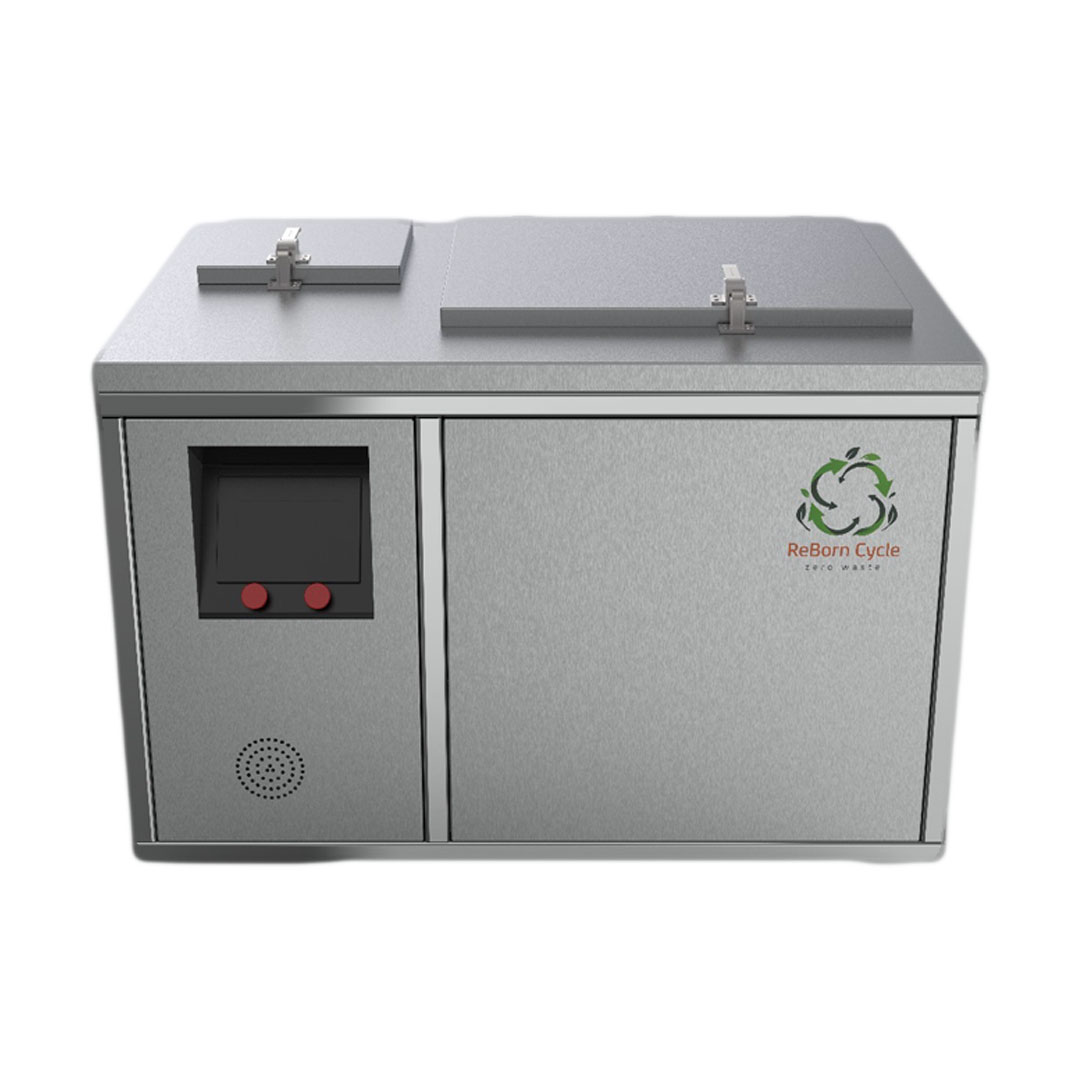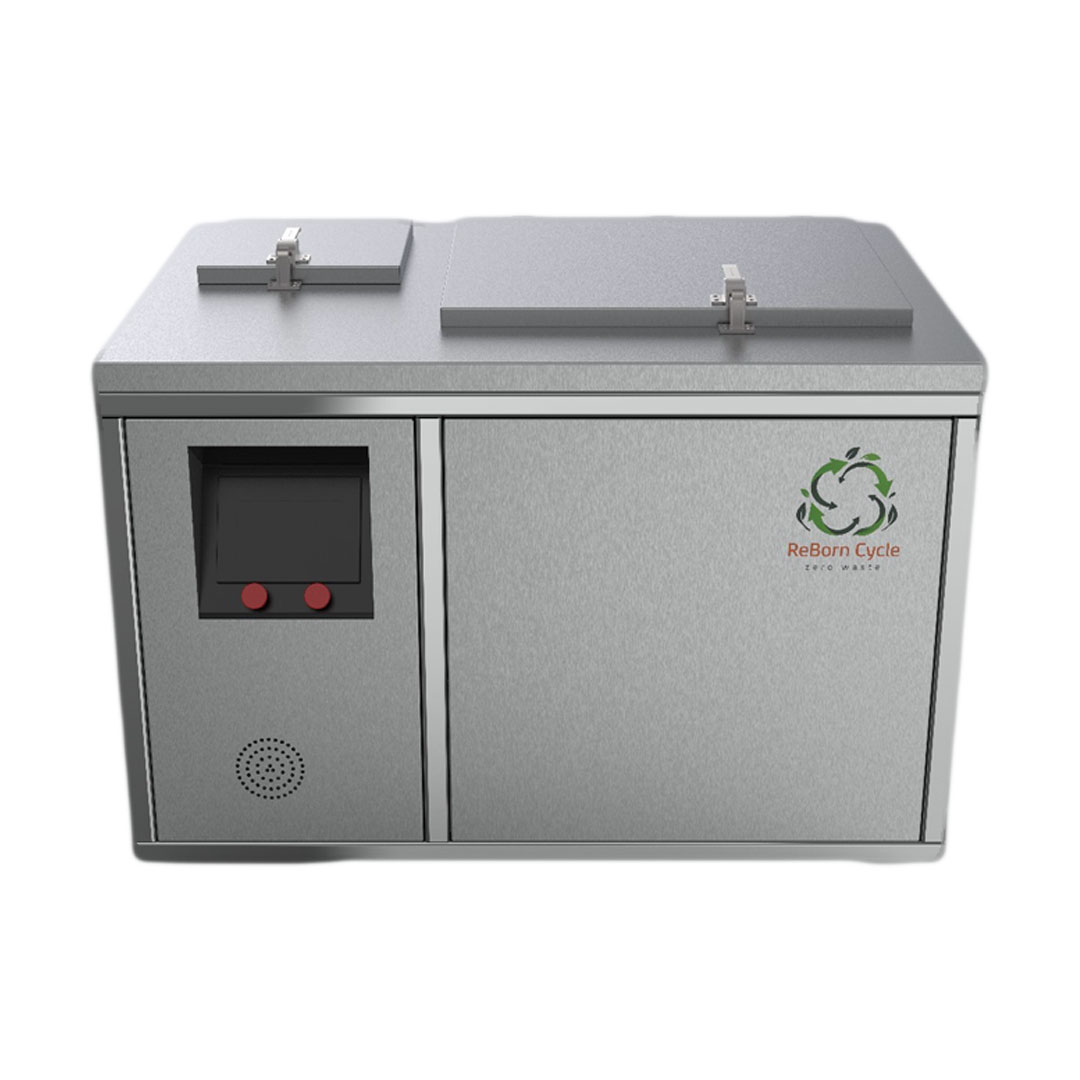


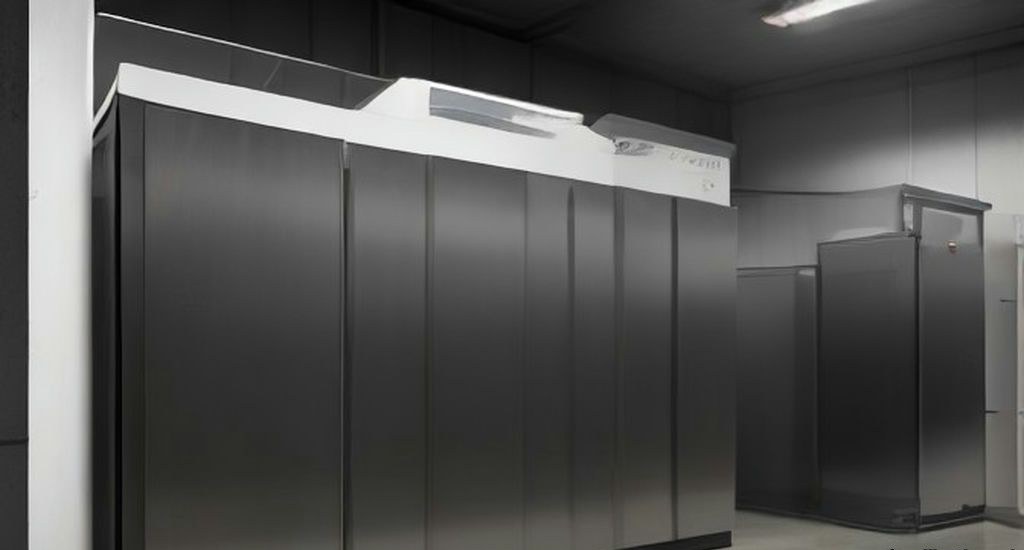
Industrial compost machines are used on site wherever organic waste is generated in volume: hotel and restaurant kitchens, hospital canteens, mall food courts, food plants, farms, and municipal facilities.
A compost machine is used on site in hotels and restaurant kitchens, hospital and school canteens, mall food courts, food factories, farms, and municipal sites wherever organic waste is produced daily in closed, controlled conditions. Capacity follows measured kg/day, not sector name alone.
Most buyers ask about cost first, but the better question is where waste accumulates each day. In our site surveys the same capacity unit may sit behind a hotel kitchen, in a hospital service zone, or at a municipal transfer point for different reasons. This article maps sectors, typical kg/day bands, machine families, and placement logic; pair it with our guide on organic waste management in hotels and restaurants for daily operations.
Where Is a Compost Machine Placed in Hotels and Restaurants?
In hotels and restaurants, organic waste comes from prep, dishwashing, and service lines. A closed compost machine usually sits in a back-of-house service corridor, near the loading bay, or in a technical room next to the waste store—away from guest routes.
A mid-size hotel kitchen often lands in an 80–150 kg/day band; RBN-C100 Compost Machine is a common starting point. Single-site restaurants at 30–80 kg/day may need smaller units; central kitchens feed a line instead.
Surveys check door width, floor load, drainage, ventilation, and cart paths together; closed systems also need service clearance and odour routing planned up front.
Tip: Keep at least 20–30% headroom above average kg/day for banquets, holidays, and conferences—picking a model on averages alone often causes overload.
Is a Compost Machine Needed in Hospital and School Canteens?
Hospital and school canteens generate steady volumes of cooked plate waste. Clinical waste and sharps must never enter the compost stream; only approved kitchen organics are processed. Machines are usually placed in the canteen service area, goods-in zone, or a dedicated technical room per hygiene zoning.
On a 500-bed campus we often see roughly 150–400 kg/day, depending on meals and occupancy. In that band RBN-C100 Compost Machine through RBN-C500 Compost Machine are typical options. Schools often sit around 80–250 kg/day with sharp lunch peaks.
Staff training and records matter for separate collection under zero-waste rules. See our hospital canteen waste handling guide for hygiene boundaries and allowed streams.
How Much Organic Waste Does Each Sector Produce per Day?
Sector labels alone do not size a machine; kitchen type, season, and occupancy set kg/day. Still, these example bands help start capacity talks on site (facility-specific weighing remains mandatory).
| Sector | Typical kg/day band (example) | Machine family |
|---|---|---|
| Restaurant / cafe | 20–100 | C25–C100 |
| Hotel kitchen | 80–400 | C100–C500 |
| Hospital canteen | 150–600 | C100–C500 |
| School canteen | 80–300 | C50–C250 |
| Mall food court | 300–1,500 | C250–C1000 |
| Food factory | 500–5,000+ | C500–C5000 |
| Municipality / hub | 1,000–20,000 | C1000–C20000 |
| Farm / greenhouse | 50–500 | C50–C500 |
Large sites often add shredders and conveyors for line feeding. Use our industrial compost machine capacity selection article to compare models.
Where Is a Compost Machine Installed in Malls and Food Plants?
Mall food courts combine waste from many tenants at one back-of-house point; odour and night cleaning push machines into loading areas or dedicated technical rooms. In factories, unwrapped product, quality rejects, and pre-wash scraps dominate; flows must stay HACCP-aligned and separated from packaging lines.
Foreign matter control and moisture management are critical in plants. Our organic waste management in food factories article walks through typical layouts.
Factory and mall projects often start around RBN-C500 Compost Machine and up with pre-shredding; final sizing follows weigh data.
How Is a Compost Machine Used in Municipalities and on Farms?
Municipal machines often sit at central kitchens, social facilities, market sorting points, or transfer stations as pilot or full-scale lines. In hotel–city partnerships waste may be processed at the hotel and output used in parks; example setups are in municipal and hotel compost field applications.
Farms and greenhouses handle manure, silage residues, and harvest rejects. Moisture and C/N differ from kitchen waste; carbon bulking (straw, sawdust) must be planned. At roughly 100–500 kg/day on site, logistics shrink; very large volumes may still need a central plant or windrow curing.
Pilot weigh data and collection quality usually beat population guesses when scaling municipal capacity.
Warning: Buying from a sector list alone is misleading—one week of market-day or harvest-season weighing is more reliable than an annual average.
How Does ReBorn Cycle Assess Your Sector on Site?
ReBorn Cycle projects start with a free site survey appointment to record waste profile, daily and peak kg, space, power, and staffing. Your sector sets banned streams, odour sensitivity, and documentation needs.
- Weighing and profile At least one week of organic weighing plus a coarse contamination check.
- Capacity proposal Model and optional line equipment with peak-day margin.
- Layout sketch Doors, drains, ventilation, and service access marked.
- Training plan Operator training scheduled with commissioning.
Up-front technical review is covered by our consulting service; the survey captures dimensions, power points, and sample waste profile together.
Sites targeting feed material may add a RBN-C250 Feed Machine feed machine alongside compost; legal suitability must be checked per facility.
Frequently asked questions
Can a compost machine be used in an apartment or home?
Industrial compost machines are built for tens of kilograms per day and steady feeding; they are usually unsuitable for apartments. Home units handle only tiny volumes. For non-residential sites, start with at least one week of weighing.
Does a small cafe need a compost machine?
If you reliably generate around 15–25 kg/day and have a suitable technical space, a small unit can work. Irregular, very low volumes may fit collection or shared hubs better. Surveys also check neighbours and odour routing.
Does each mall tenant need its own machine?
No. Malls normally use one or a few high-capacity units at a central collection point. Per-tenant machines waste space and worsen odour control. Leases should define segregation and contamination rules clearly.
Is the compost machine placed directly beside the production line in a factory?
It usually sits at a waste exit or pre-treatment room separated from production by hygiene boundaries; placing it on the line raises HACCP risk. Wash water and packaging waste stay on other routes.
Should a municipal compost machine sit at the hotel or at a central plant?
Both models exist: on-site hotel processing cuts haulage; central plants scale multi-source collection. The choice depends on haul cost, distance, and how output will be used—pilot hotel projects are a common start.
On a farm, does compost machine output go to fertilizer use?
Yes, output can become a soil amendment after curing, but machine discharge is pre-compost—not fully mature product. Manure and green waste mixes need C/N and moisture control throughout.
On-Site Compost Planning for Your Sector
The practical answer to where a compost machine is used is simple: anywhere organic waste builds up by the kilo each day and hauling is costly or smelly. Hotels, hospitals, schools, malls, factories, municipalities, and farms use the same closed in-vessel technology at different capacities and layouts; the sector mainly changes scale and hygiene rules.
The first step is measurement, not a label. One week of weighing and contamination checks clarifies the right model and whether the unit sits behind the kitchen or in a separate technical room. With peak-day margin, a closed system typically delivers stabilized pre-compost in a 24–48 hour in-vessel cycle.
Share your sector and kg/day estimate via a free site survey appointment, or plan process design with our consulting team.