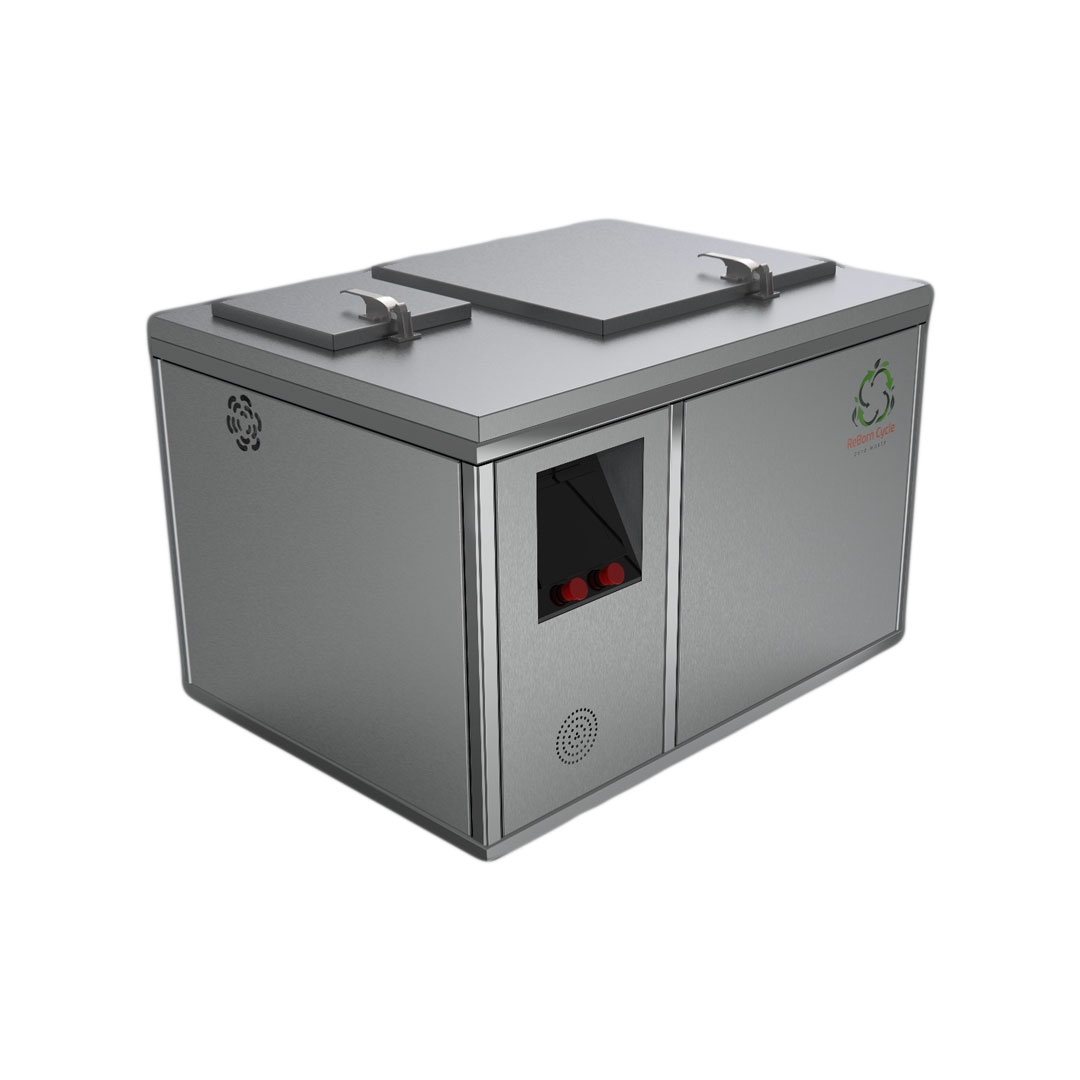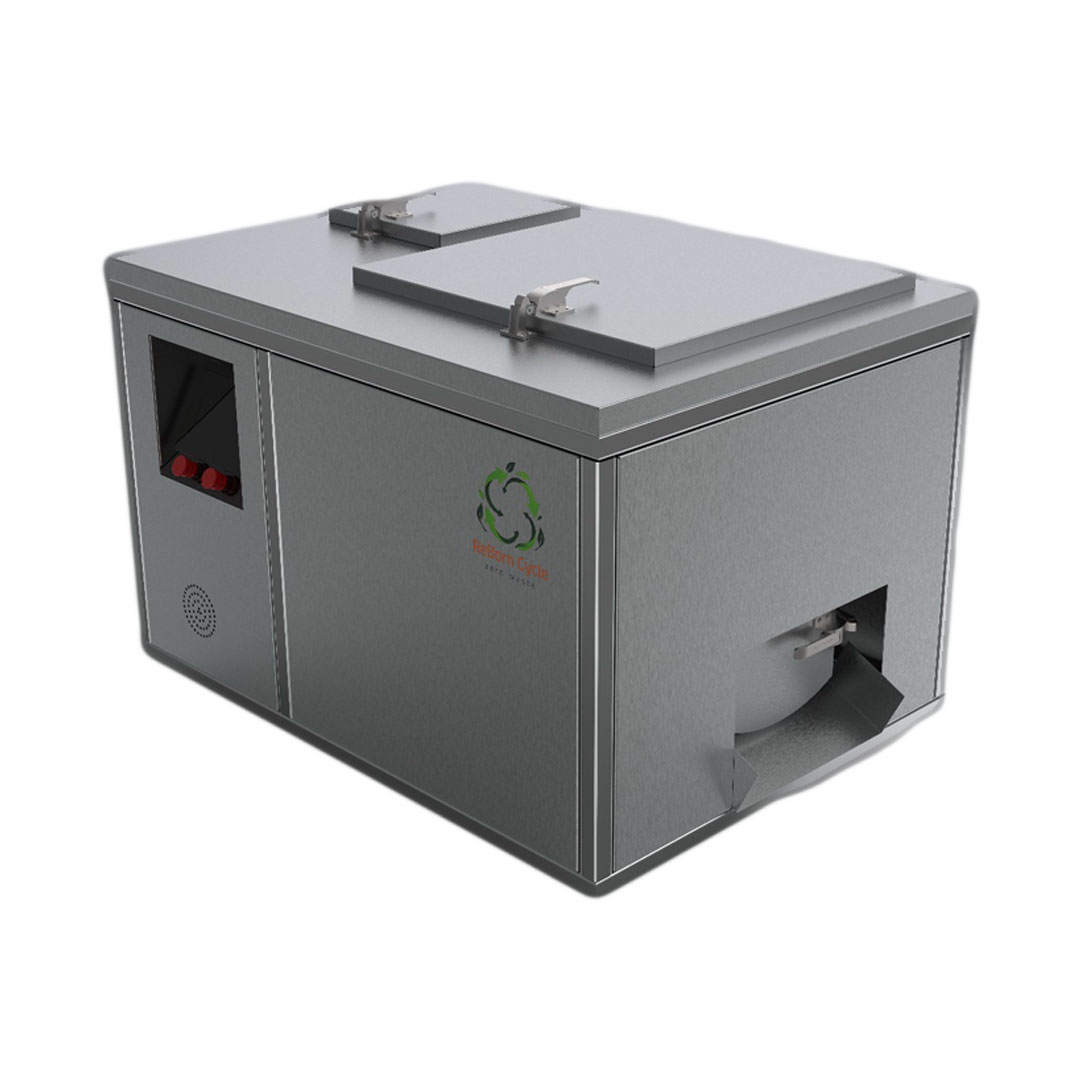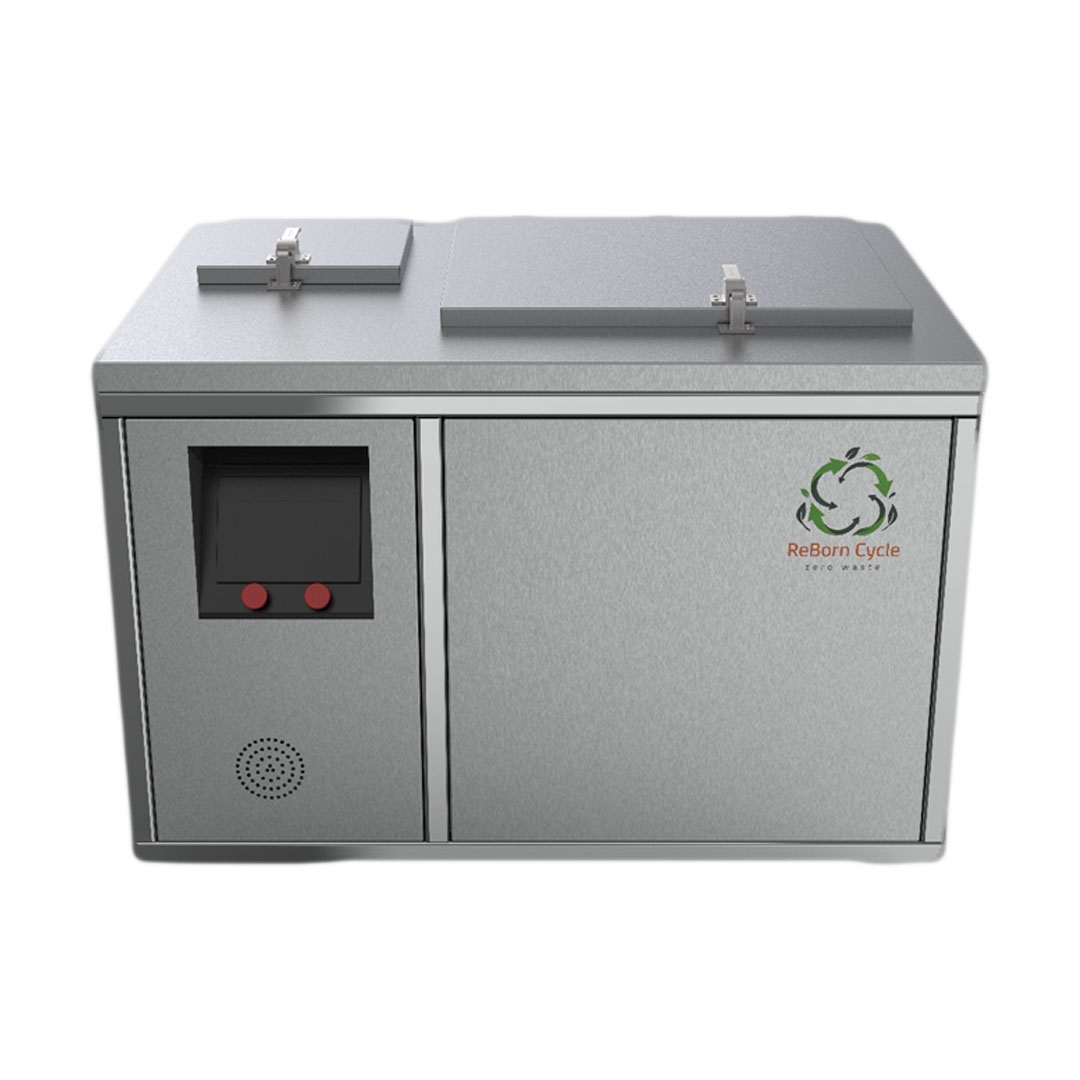
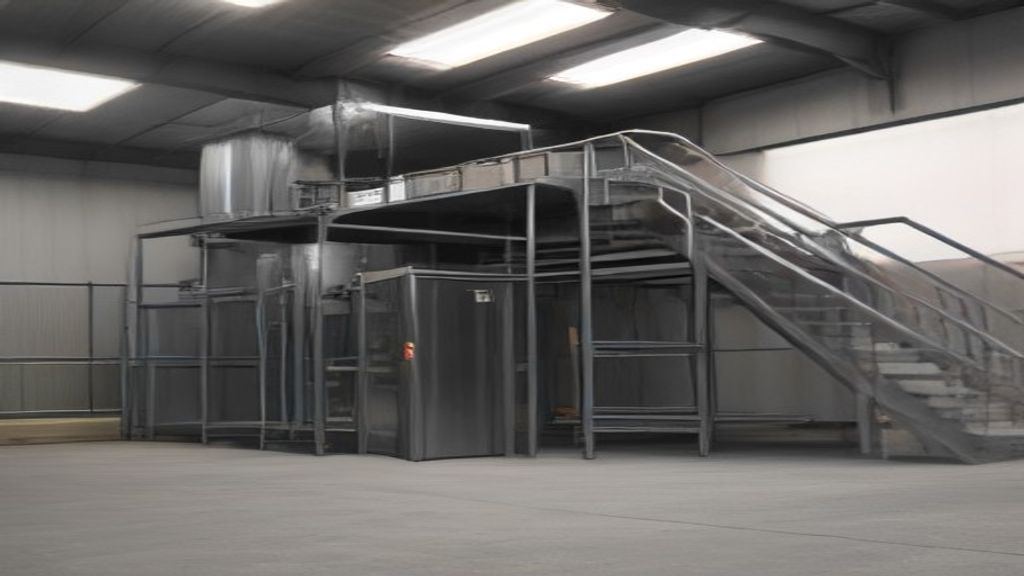
Separation, weighing, on-site processing, and recording workflow for organic by-products and residues generated from production lines.
ReBorn Cycle — food industry field projects
In a food plant, organic waste carries the cost of fire and hygiene risk together. Success comes from line-based sorting, weighing and accurate machine capacity.
Hat-based separation
Production, packaging, and food service waste must be separately coded. Mixing oily and starch-containing streams will increase process deviation.
- Line code + shift registration
- Packaging and metal separation point
- Temporary storage time limit
Capacity and cable selection
Hygiene and Control
The machine area must be clearly separated from the production hygiene zone; washing and pest control procedures must be linked. In inspection, weight records are critical evidence.
Related product models
Related blog articles
- Difference between a feed machine and a compost machine
- Separating contaminants in industrial composting
- Which machine for 500 kg of organic waste per day
Frequently asked questions
Can packaging fires be organic?
Mama or compost?
The input is selected based on acceptance criteria and output objectives; compost is more frequently preferred for mixed kitchen waste.
What data is required for discovery?
Next step
Submit your line-based waste profile and we'll suggest a compost or food line. Contact us.