

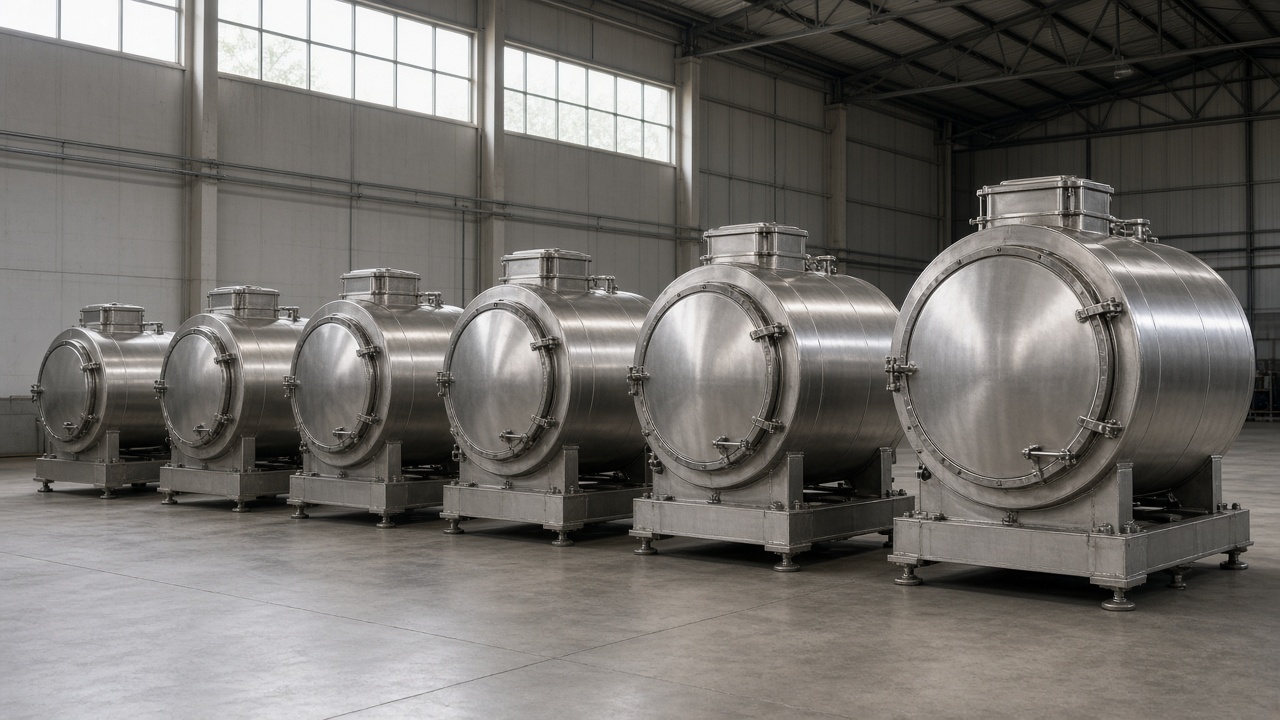
The price of a compost machine depends on daily capacity, body material, level of automation, peripheral equipment, installation conditions and service scope. Compare offers on total cost of ownership, not purchase price.
The price of a compost machine depends first on its daily processing capacity and the type of waste it must handle. Next come the stainless steel body, automation of heating, aeration and mixing, peripherals such as shredders and conveyors, installation conditions, and training and service scope. Compare offers on total cost of ownership, not purchase price alone.
Price is usually the first question facility managers ask about compost machines, yet a single list price answers it badly. The real figure is shaped by how much waste you generate, what that waste looks like, the conditions on site and the level of service you expect. This guide walks through the six factors that drive price, shows how to calculate total cost of ownership, and explains how operating costs such as electricity consumption should feed into the decision.
Main Factors That Determine Compost Machine Price
It is common to see a clear gap between two quotes for machines with the same capacity label. Most of that gap comes from six factors: capacity and waste profile, body material, automation and process control, peripheral equipment, installation conditions and training and service scope.
In our site surveys, the item that moves the price most is usually capacity together with the nature of the waste. Fatty waste, bones or waste mixed with packaging call for extra pre-treatment and heavier mechanical parts.
The bars show the general ranking we see during surveys, not exact percentages. The split in your project may differ depending on waste type and site.
How Does Capacity Affect Compost Machine Price?
As daily throughput grows, the drum volume, mixing shaft, motor and gearbox, heating surface and aeration capacity all grow with it. That is why capacity is the main price driver. The right capacity, however, should come from measurement rather than estimates; our guide to industrial compost machine capacity selection explains the method.
| Model | Daily capacity | Typical use |
|---|---|---|
| RBN-C25 | 25 kg/day | Restaurant, cafe, boutique hotel |
| RBN-C100 | 100 kg/day | Hospital, mall, mid-size facility |
| RBN-C500 | 500 kg/day | Central kitchen, municipality, corporate campus |
| RBN-C2500 | 2,500 kg/day | Municipality, food production |
| RBN-C20000 | 20,000 kg/day | Metropolitan municipality |
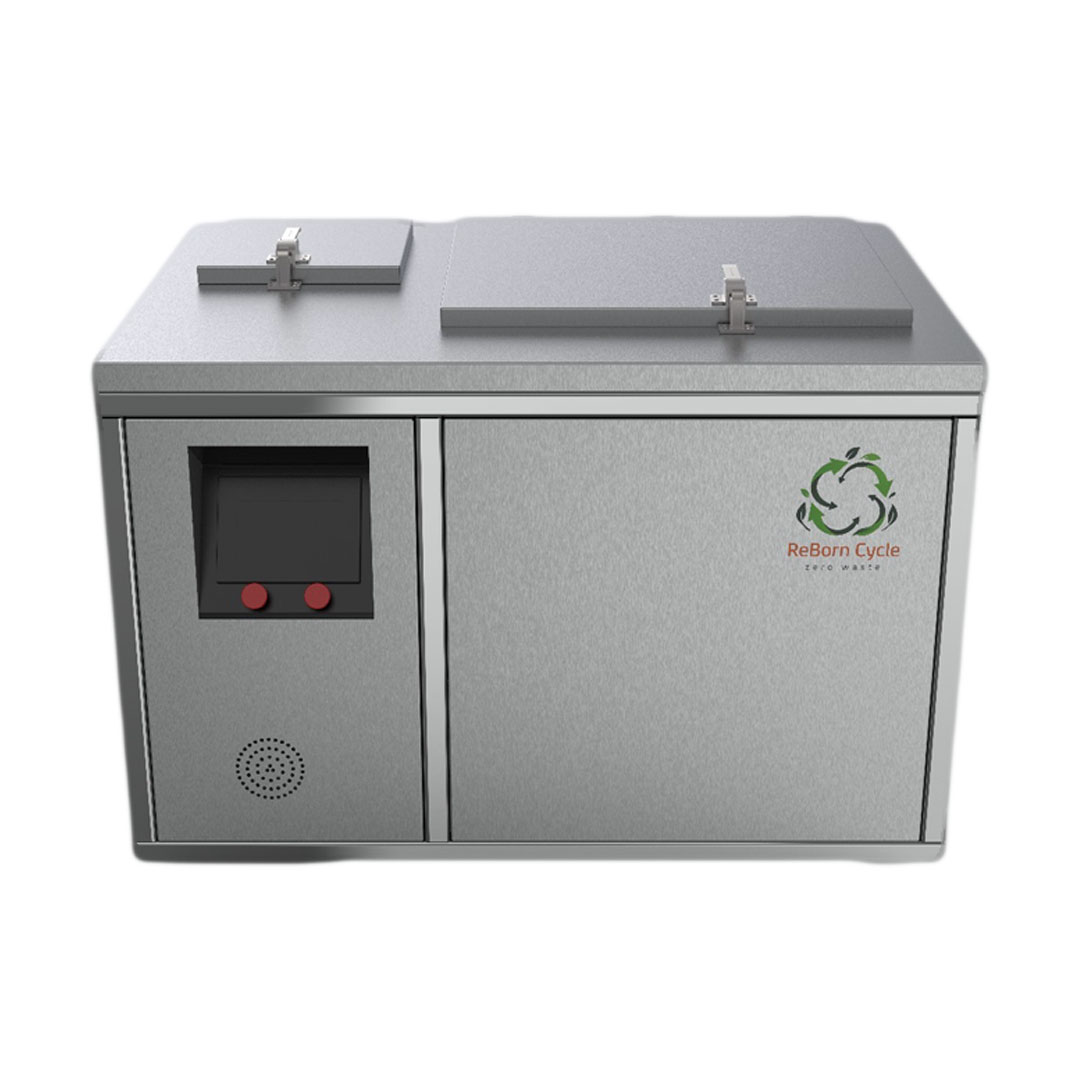
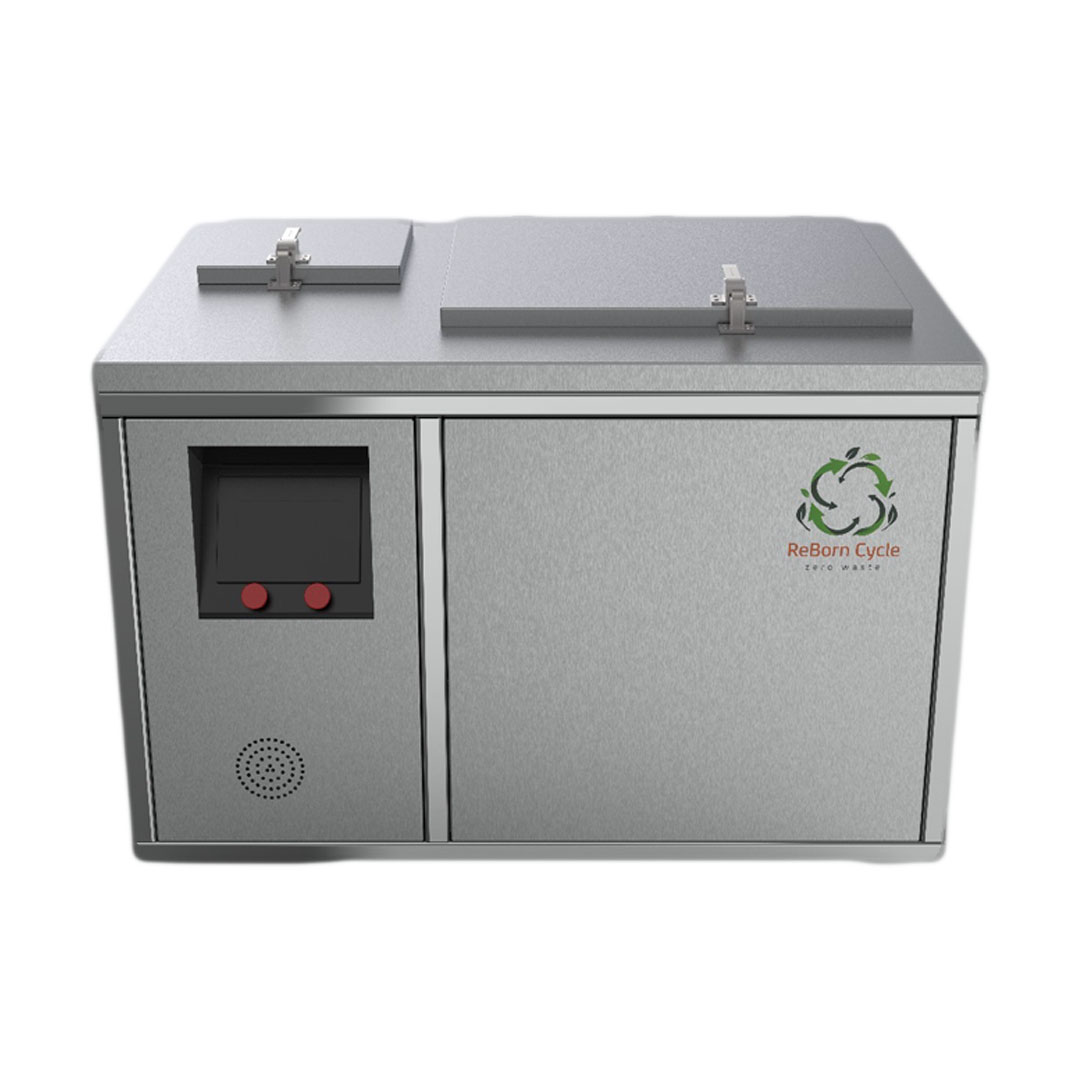
An oversized machine means paying for idle volume. An undersized one leads to overloading, wet output and odor risk. For example, a hospital kitchen producing roughly 80–90 kg of waste a day could reasonably start with the RBN-C100 Compost Machine, while a large central kitchen would look at the RBN-C500 Compost Machine and a municipality at the RBN-C2500 Compost Machine.
How Do Materials and Automation Affect Price?
Food waste is wet, acidic and salty. Using stainless steel on every surface that touches the waste, along with sheet thickness, weld quality and gasket choice, determines both the initial investment and the service life of the machine. A body built from cheaper material tends to come back a few years later as corrosion and hygiene problems.
On the automation side, what matters is how precisely temperature, aeration and mixing are controlled inside the closed vessel. Sensors, a control panel, alarms and data logging raise the upfront price; in return they cut operator time and help keep the 55–65 °C thermophilic phase and the 50–60% moisture range consistent. That is why closed, controlled systems deliver more predictable output than open piles.
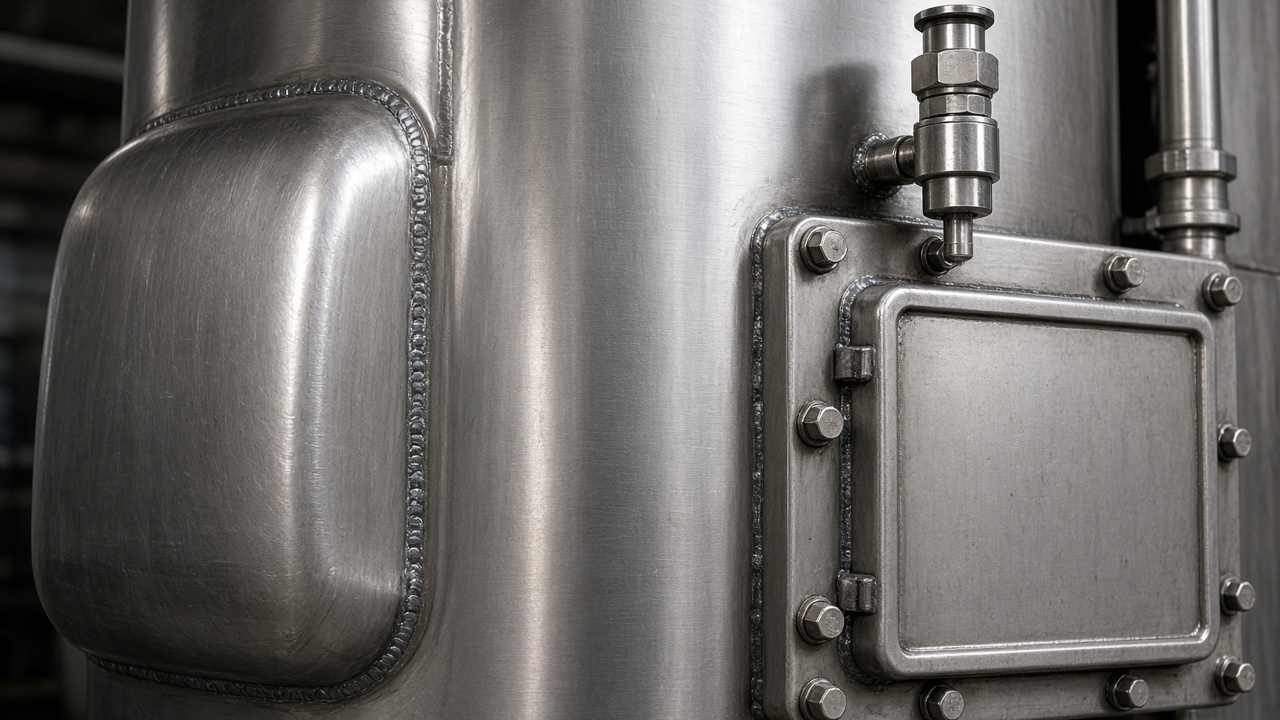
Tip: When comparing quotes, ask every supplier for the same technical list: contact surface material, heating method, aeration and mixing design, sensors, alarms and logging. That way you can see exactly where the price difference comes from.
Peripheral Equipment and Installation Costs
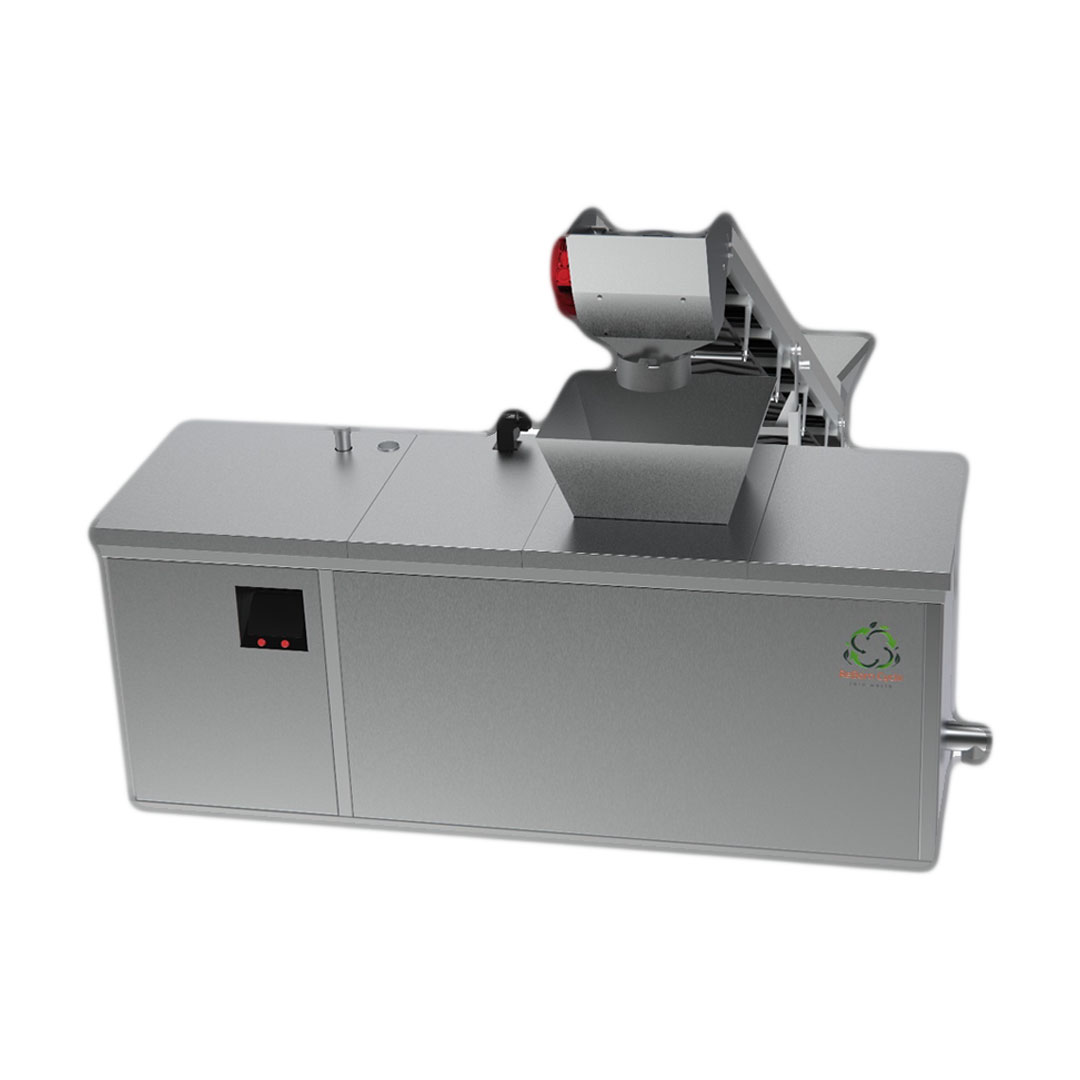
In a small kitchen the machine alone is often enough. As capacity grows and waste becomes more mixed, a line approach takes over, and every additional unit adds to the total investment.
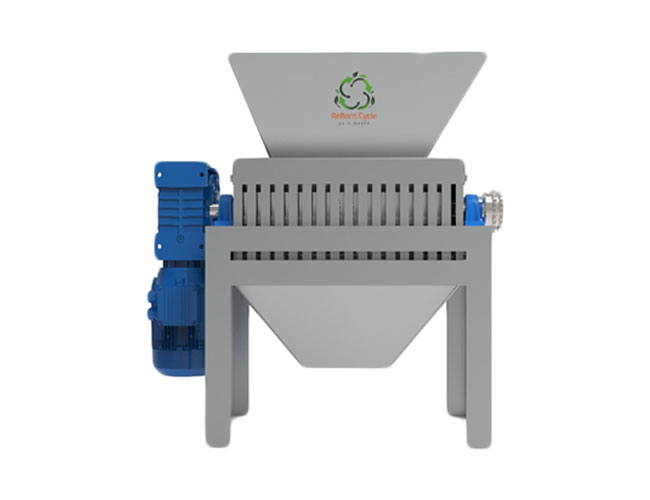
- Shredder: Reduces particle size, ensures uniform feeding and shortens the cycle. It is usually needed for market and food industry waste; see our waste shredder page for details.
- Conveyor belt: Automates feeding, transfer and discharge and reduces manual handling.
- Tunnel kiln: Added when the output needs drying or thermal treatment.
- Pellet machine: Worth considering if you plan to store, transport or sell the compost.
Installation cost depends on the site: floor preparation, electrical supply, ventilation and exhaust, water and drainage connections, transport and crane needs, and the access route to the machine. A basement or a tight service yard can make installing the same machine considerably harder. Clarifying these items at the quotation stage prevents surprise costs later.
How Do You Calculate Total Cost of Ownership?
The purchase price is only part of what you will spend over the life of the machine. For a fair comparison, calculate the total cost of ownership and review it alongside a return on investment analysis.
- Measure your waste Weigh daily waste for at least 2–4 weeks and record it by type.
- Add up the investment Put machine, peripherals, installation and training into a single table.
- Add operating costs List energy, scheduled maintenance, spare parts, consumables and operator time on an annual basis.
- Subtract avoided costs Account for lower hauling, disposal fees, container rental and cleaning costs.
- Compare over the full life Line up offers using the same time span and the same capacity assumption.
Warning: The cheapest offer can lead to wet output, odor and frequent breakdowns once its capacity is stretched. A low initial price can turn into high operating costs.
How Is Pricing Set for ReBorn Cycle Machines?
At ReBorn Cycle we prepare a quote after a site survey rather than publishing a fixed list price. Because engineering and manufacturing are done in-house in Turkey, the machine configuration is built around the facility's actual waste profile. Before quoting, we collect daily waste volume, waste type (cooked or raw, fat, bones, share of packaging), moisture, installation space, power supply and the intended use of the output.
The scope covers a closed, heated, aerated and mixed machine; a shredder and conveyor where needed; installation, operator training and after-sales service. For kitchen waste with balanced moisture, the in-machine cycle is typically 24–48 hours, and the output is a stabilized, hygienized pre-compost material. Depending on the end use, a curing period of a few weeks is recommended for fully mature compost, so space for it belongs in the plan. For a pre-purchase checklist, read what to look for when buying a compost machine.
Frequently asked questions
Why are compost machine prices quoted individually?
Because two facilities with the same capacity rarely share the same waste type, moisture, installation space and peripheral needs. Fatty or packaged waste may require a shredder, and a tight space may call for a custom installation. A list price given before these variables are clear would be misleading, so a realistic price follows a site survey and waste measurement.
Is a smaller compost machine more economical?
Only if it matches your real waste volume. An undersized machine gets overloaded, the cycle stretches, the output stays wet and odor risk rises. Leaving a reasonable margin above measured daily waste covers growth and seasonal peaks. A machine that is far too large, on the other hand, means paying for idle volume.
How does a stainless steel body affect price?
Stainless steel raises the initial investment but directly protects service life and hygiene. Food waste is wet, acidic and salty, so surfaces that are not corrosion resistant degrade quickly. Ask for the quote to state the material of the drum and mixing parts that contact the waste, not just the outer cladding.
What makes up the operating cost of a compost machine?
Operating cost consists mainly of energy use, scheduled maintenance, spare parts, consumables such as bulking material where needed, and operator time. Against these you set the reduction in hauling and disposal fees. Always run the comparison on an annual basis and with the same capacity assumption for every offer.
Are installation and operator training included in the price?
That depends on the quote, so ask for installation, commissioning, operator training and after-sales service to be listed as separate line items. ReBorn Cycle provides site surveys, installation, operator training and after-sales service, and the exact scope is defined for each project after the survey.
How long does it take for a compost machine to pay back?
There is no single payback period; it depends on your current hauling and disposal costs, waste volume, energy prices and how the output is used. Facilities with high hauling costs and steady waste volumes usually pay back faster. A total cost of ownership calculation with your own data is the most reliable approach.
To pin down the right capacity and total cost for your waste profile, request a site survey and capacity recommendation, and our team will review your site and prepare a tailored quote.