

If daily volume is high, haul distance is long, or collection is unreliable, an on-site compost machine usually offers more control. Municipal collection can be enough at low volume or with solid infrastructure. Both models often coexist.
Whether you need a compost machine or waste collection depends on daily kg, haul distance, odour risk and ESG goals. At high, steady volume, a closed on-site compost machine cuts logistics and keeps process control. At low volume or with reliable municipal separate collection, hauling may be enough. Many sites run a hybrid of both.
Hotels, hospitals and factories either treat organics on site or hand them to the city system. The choice is rarely «cheapest line on the invoice»; it is about control, traceability and regulation. Turkey's Zero Waste rules push many sites to collect biodegradable waste separately—that does not automatically pick collection or on-site processing. This article compares organic waste logistics with on-site compost using clear criteria.
Which Questions Come First for a Compost Machine or Collection?
Without four numbers the decision fails: average and peak-day kg, storage time, collection frequency and haul distance. Example: 350 kg/day, compactor pickup twice daily, 40 km to a treatment plant. Container odour, truck trips and gate fees climb fast; an on-site machine shortens the logistics chain.
At 60 kg/day with reliable separate collection and a short haul, investing in a machine may not pay back. If space is tight, you need room for installation and curing; with land available, a hybrid split is realistic. Understanding how municipalities collect organics shows what your city actually offers.
ESG reports treat «sent off site» and «recovered on site» differently. On-site treatment for zero-waste certification adds evidence for some chains; others only require separate bins. Confirm local rules in writing.
What Is the Difference Between On-Site Compost and Collection?
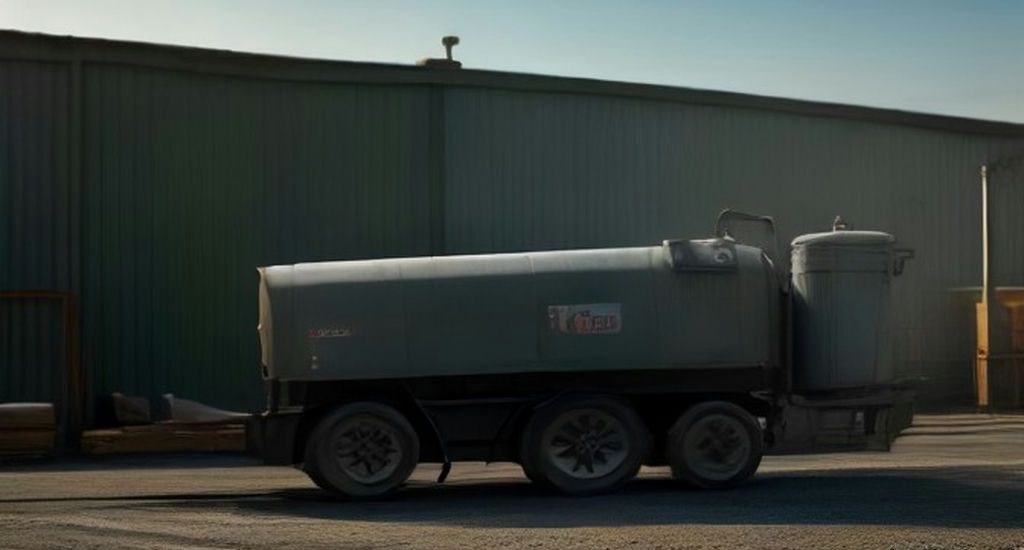
Collection separates waste at source, fills containers and a hauler moves it to a distant facility. Your control is mostly sorting quality; odour sits in open bins until pickup. An on-site compost machine runs a closed, heated, aerated vessel: typical kitchen waste stabilises in 24–48 hours as hygienised pre-compost; full use may need a curing area.
Collection scale follows city infrastructure; machine scale follows your kg band. They can complement each other: machine for central kitchen, low streams from guest floors still on municipal routes. Unlike the biogas vs compost debate, this choice is «central plant vs on-site»; shipping to a city compost or biogas plant is still a collection model.
| Criterion | On-site compost machine | Municipal / hauler collection |
|---|---|---|
| Daily volume | Medium–high kg (150 kg/day and above is common) | Any volume; can be cheaper at low kg |
| Hauling | Fewer trips and kilometres | Route and fee per kg |
| Odour / hygiene | Closed process, logged feeding | Open containers, waiting waste |
| Output | Pre-compost for landscape, greenhouse after curing | Facility product; site rarely sees it |
| Investment | Machine, space, training | Low capex; ongoing service fees |
| ESG proof | On-site recovery, weigh records | Separate collection and disposal certificates |
The volume row is not a fixed threshold—measure first. Ignoring peak days overflows bins or leaves a machine under-loaded.
When Does an On-Site Compost Machine Win?
Site surveys repeat the same wins for on-site units: long haul, infrequent pickup, wet kitchen waste and storage near guests. In a closed machine moisture stays around 50–60 %; thermophilic targets are 55–65 °C and volume often drops sharply (input-dependent, up to roughly 80–90 % in examples).
Hotel groups, hospital canteens and campuses in the 200–800 kg/day band often face rising collection cost and odour complaints. On-site work reduces compactor load and bag volume. If output will feed landscaping or a contracted buyer, the machine is strategic—not only a disposal shortcut.
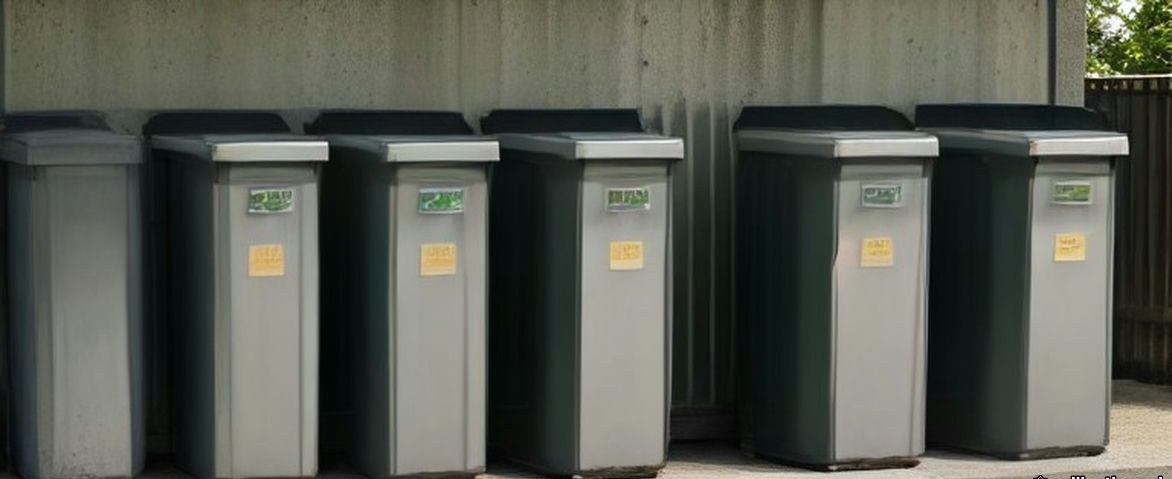
The chart is qualitative guidance, not a certified score. Buying a machine for tiny volume can waste energy and floor space—weigh first, then size the model.
When Is Collection Enough on Its Own?
Collection stays the right call when daily organics are low, the city picks up several times a week reliably, dwell time in bins is short and the plant sits near the city. Small cafés or boutique hotels without staff time or machine space often meet Zero Waste goals fastest with separate bins. Law usually demands separation; routing is your commercial choice.
Risks remain: anaerobic pockets smell; plastic ruins the municipal stream and triggers penalties. Cutting logistics cost can start with better collection—compaction, routing, same-day pull for wet waste. If distance and fees rise yearly, revisit on-site amortisation.
Tip: Confirm in contract whether «organic» and «municipal solid» streams are defined the same way. Grey water and grease must not go into the organics bin; sorting quality carries both models.
How Do You Decide Step by Step Between Machine and Collection?
Instead of a slogan, run this sequence; each step feeds the comparison table:
- Measure At least 7–14 days of weights; mark holidays and events.
- Split the collection quote Bin rent, trips, weight charges and distance; label annual escalation as an example assumption.
- Space and permits Floor, drain and power for a machine; bin pad and wash-down for collection.
- Output plan Landscape, sale or disposal-only?
- Compare Put 5–10 year total cost, odour and ESG scores side by side.
Use the ROI calculator to line up collection fees and on-site treatment on the same kg. Consulting builds the waste profile and capacity sketch—aiming at data-led choice, not a quick machine sale. Do not walk into the decision meeting without a weigh summary, contract breakdown and a rough layout sketch.
How Does ReBorn Cycle Plan an On-Site Compost Line?
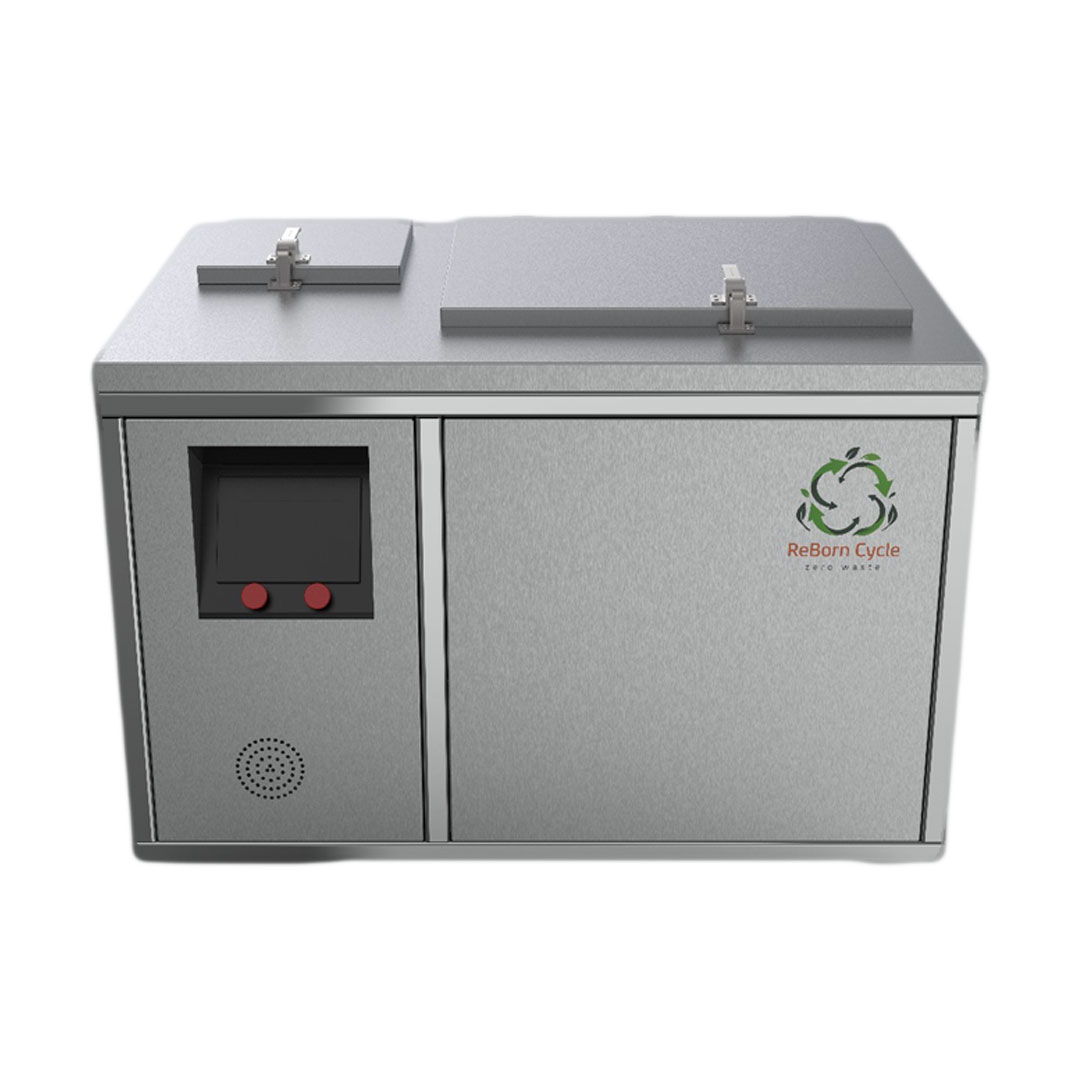
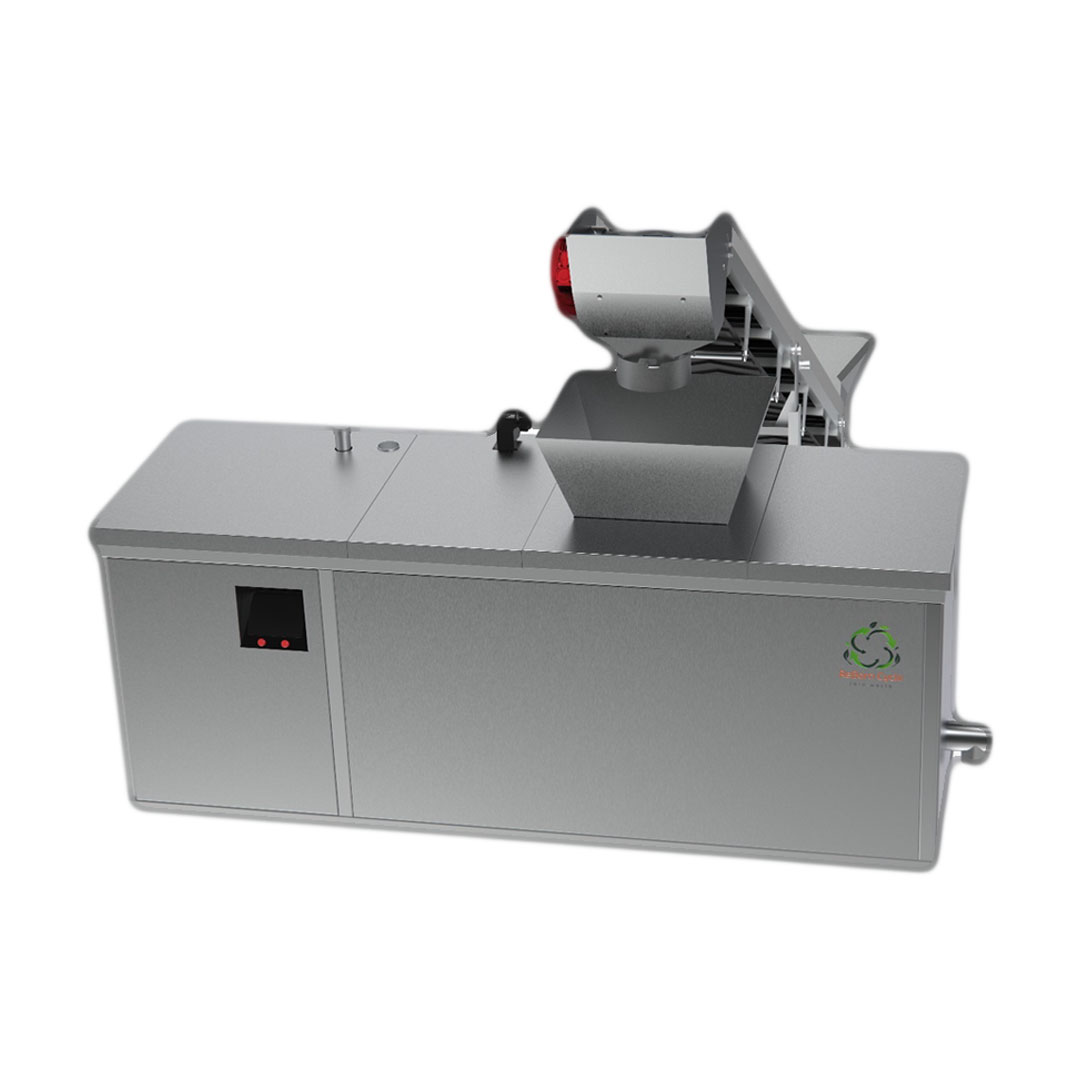
ReBorn Cycle starts with site survey data: kg, waste mix and target output. Mid-size kitchens and hotel campuses often fit RBN-C250 Compost Machine (250 kg/day); central kitchens and large sites move to RBN-C1000 Compost Machine (1,000 kg/day). Units are closed, heated and mixed; balanced feeding typically finishes a cycle in 24–48 hours.
Installation covers ventilation, service access and operator training. If collection continues, define only the stream that enters the machine; packaging stays on the city route. Domestic manufacturing and after-sales support keep a backup path when collection covers downtime.
Warning: Clinical waste, solvents and metal do not belong in compost or in municipal organics—contamination breaks both routes.
The answer is rarely «machine only» or «collection only». Measured year-one collection with a machine added later is a valid roadmap.
Frequently asked questions
Can a compost machine replace municipal collection?
Not necessarily. Many sites keep low streams on the city route and run kitchens through the machine. Where separate collection is mandatory, the machine adds cost control and evidence; it does not remove legal separation.
At 100 kg per day of organics, machine or collection?
It depends on distance and fees. One hundred kg/day is not a universal cutoff; long haul and expensive trips favour on-site work. Short haul and a cheap municipal line may be enough. Weigh first.
Is on-site compost enough for zero-waste certification?
Audits often still want separate collection records; on-site treatment adds proof. The on-site processing guide lists typical file items—confirm with your local authority.
Is buying a machine wasteful if we already collect?
Not when volume, distance and ESG targets grow. Machines cut logistics and odour risk; at very low kg fixed cost can beat hauling. Use a 5-year horizon in ROI.
Is collection output the same as machine output?
No. With collection you rarely see the product—it is the distant plant's compost or digestate. Machine discharge is on-site pre-compost for curing and local use.
How do you plan both together?
Split streams: only suitable kitchen organics to the machine; packaging and mixed waste on collection. Training and labels are shared. Scale the machine as volume grows; you need not end collection entirely.
Balancing On-Site Treatment and Collection for Organics
Compost machine or waste collection is not one-size-fits-all. Read daily kg, distance, odour, land and ESG together. Steady high volume and long routes favour closed on-site compost; low volume and strong city infrastructure keep collection viable. Both paths rely on disciplined source separation—the difference is whether material is processed before it leaves the gate.
Measure first, itemise collection contracts, and spell out machine space and output use. Hybrid models are normal: collection today, a sized machine tomorrow. Plan peak-day headroom and staff training for either path; poor sorting breaks both.
Once kg data, layout limits and ESG timing are clear, the choice moves faster. Book a free site survey or use consulting to compare collection and on-site scenarios in one cost table.