

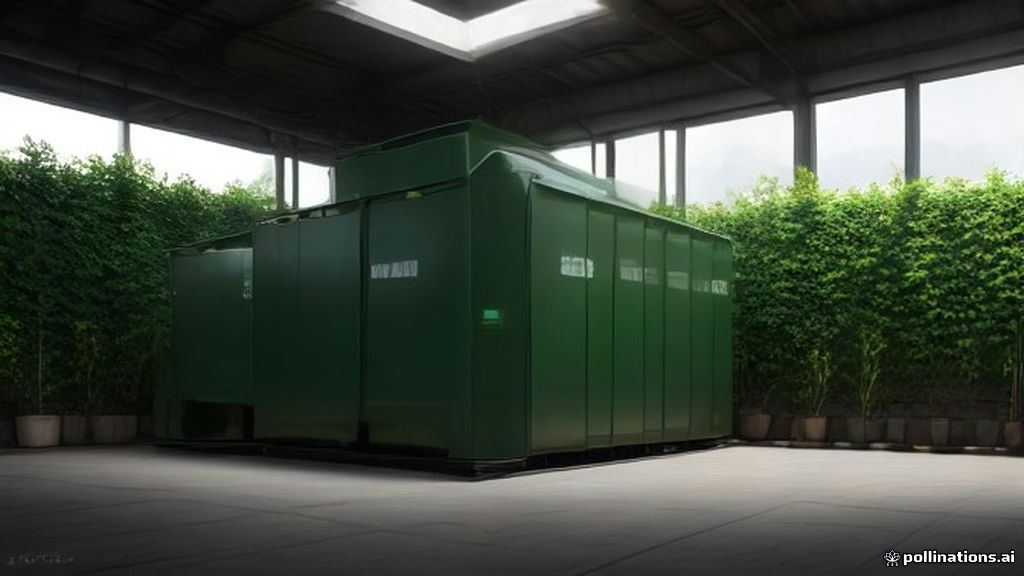
Converting organic waste through industrial composting reduces methane emissions, protects soil health and strengthens corporate sustainability.
Why Organic Conversion Matters in Sustainable Corporate Waste Management
Roughly one third of the food produced worldwide never reaches the consumption chain or turns into waste after consumption. When the organic waste generated by high-volume operations such as hotels, university campuses, industrial facilities, chain restaurants and commercial buildings is sent to conventional landfills, it creates a serious environmental burden. Organic matter that decomposes in an oxygen-free (anaerobic) environment releases methane, a gas with a global warming potential 28 times higher than that of carbon dioxide.
Conventional waste disposal methods do not only increase greenhouse gas emissions; they also cut valuable nutrients off from the soil ecosystem entirely. In this context, compost conversion is the process in which organic waste is biologically broken down and turned into a natural, nutrient-rich resource that enriches the soil. Industrial composting processes applied at corporate scale act as a strategic lever for companies working toward their zero waste and ESG (Environmental, Social and Governance) goals.
Tangible Contributions of Compost Conversion to Nature and the Ecosystem
Breaking down organic waste aerobically (with oxygen) under controlled conditions plays a critical role in restoring ecological balance. The main contributions a well-managed composting process makes to nature are as follows:
1. Preventing Methane Emissions and Reducing Carbon Release
When organic waste is sent to landfills, it ends up beneath layers that get no air, decomposes anaerobically and releases large amounts of methane (CH4) into the atmosphere. Industrial composting machines and on-site conversion systems, by contrast, keep the process in an aerobic environment. This largely prevents methane formation, while the released carbon is converted into a harmless form within the natural biological cycle. As a result, the corporate carbon footprint falls in a direct and measurable way.
2. Improving Soil Structure and Increasing Water Retention
Mature compost is a unique organic material (humus) that improves the physical, chemical and biological structure of soil. Compost mixed into the soil:
- Increases Porosity: It aerates compacted and degraded soils.
- Raises Water Retention Capacity: Compost can hold several times its own weight in water. In agricultural and landscaped areas under drought threat in particular, this can reduce irrigation needs by 20 to 40 percent.
- Prevents Erosion: By binding soil particles together, it minimizes the soil loss (erosion) caused by wind and rain.
3. Avoiding Synthetic Fertilizer Use and Protecting Groundwater
Constantly feeding the soil with chemical fertilizers gradually destroys the soil microbiota and leads to soil degradation, and the excess chemicals can leach into groundwater with rainwater and cause eutrophication (water pollution). Organic compost releases nitrogen, phosphorus, potassium and trace elements to the soil slowly and naturally. This reduces the need for chemical fertilizers and pesticides and helps protect groundwater resources and aquatic life.
4. Supporting Biodiversity and the Soil Microbiota
Healthy soil is home to billions of beneficial bacteria, fungi and microorganisms. When the output of compost conversion is applied to the soil, the population of beneficial microorganisms increases quickly. These microorganisms make it easier for plant roots to absorb nutrients, make plants more resistant to disease and restore the natural balance of the ecosystem.
Advantages of Composting Operations at Corporate Facilities
Carrying out organic waste recycling on site or at industrial scale offers businesses operational and financial advantages in addition to the ecological benefits.
Lower Logistics Emissions and Transport Costs
70 to 90 percent of food and organic waste consists of water. This high water content makes the waste heavy and bulky. On-site composting technologies used within a facility can significantly reduce the volume and weight of the waste within hours or days. A smaller waste volume directly lowers how often garbage trucks need to visit the site, and with it transport-related carbon emissions and logistics costs.
Contribution to ESG and Zero Waste Certification Processes
Investors, consumers and regulators now expect companies to report their environmental impact transparently. The amount of food and organic waste that is regularly converted provides concrete data for reducing a company's Scope 1 and Scope 3 emissions. In Zero Waste Certificate (Sıfır Atık Belgesi) procedures and in sustainability reports based on GRI (Global Reporting Initiative), compost conversion is among the practices that earn the highest scores.
How to Set Up an Effective Composting Strategy
To implement organic waste conversion successfully in your business or facility, we recommend following these steps:
1. Waste Characterization and Volume Analysis
The types of organic waste generated daily and monthly at your facility (kitchen preparation waste, plate leftovers, landscaping waste, etc.) and their quantities should be analyzed. The waste composition plays a key role in determining the conversion methodology to be used (for example, drying-based volume reduction or direct composting).
2. Source Separation Discipline
The most critical factor determining compost quality is the cleanliness of the input. To keep plastic, glass, metal or packaging waste out of organic waste, kitchen and canteen staff should receive regular training and color-coded collection units should be used.
3. Choosing the Right Technological Infrastructure
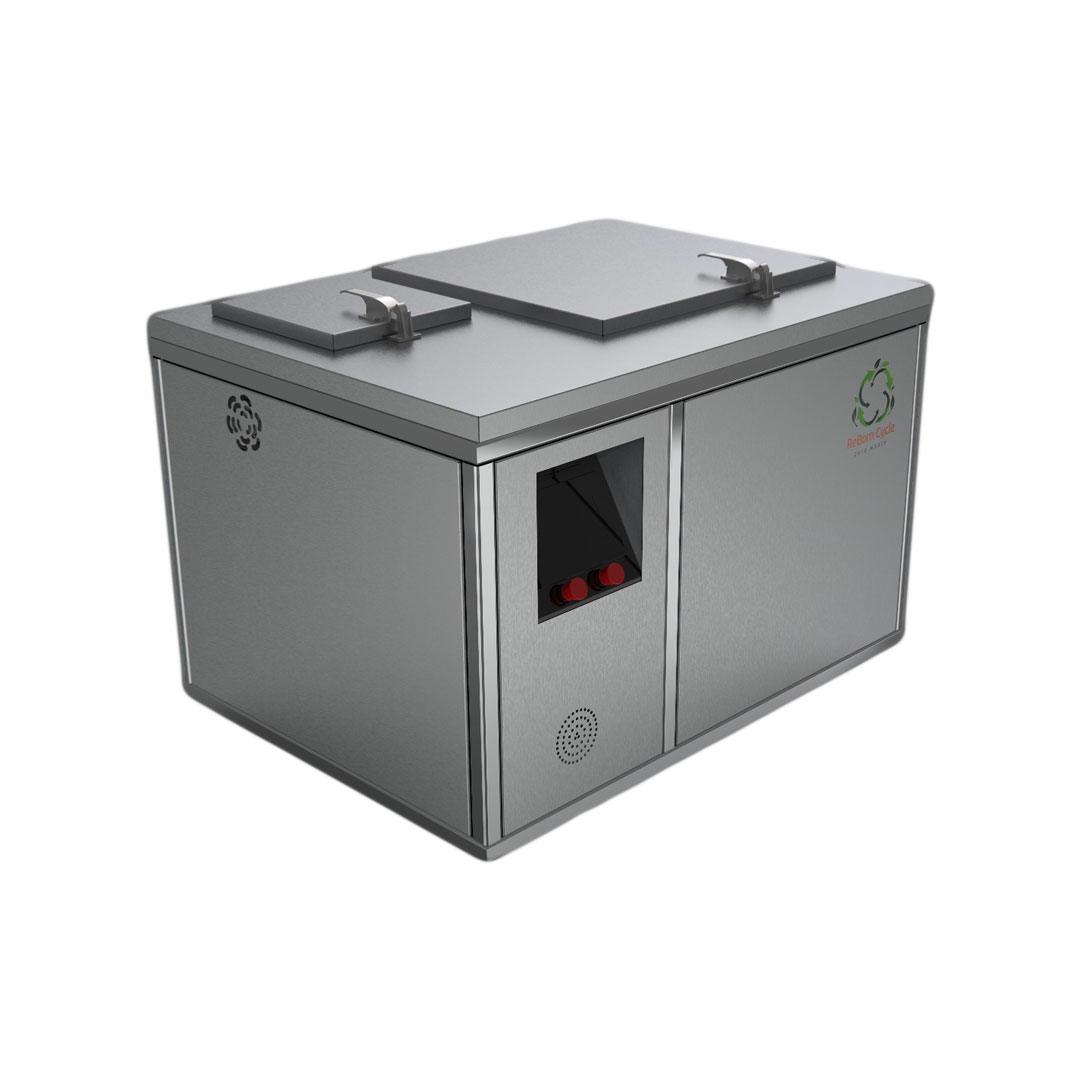
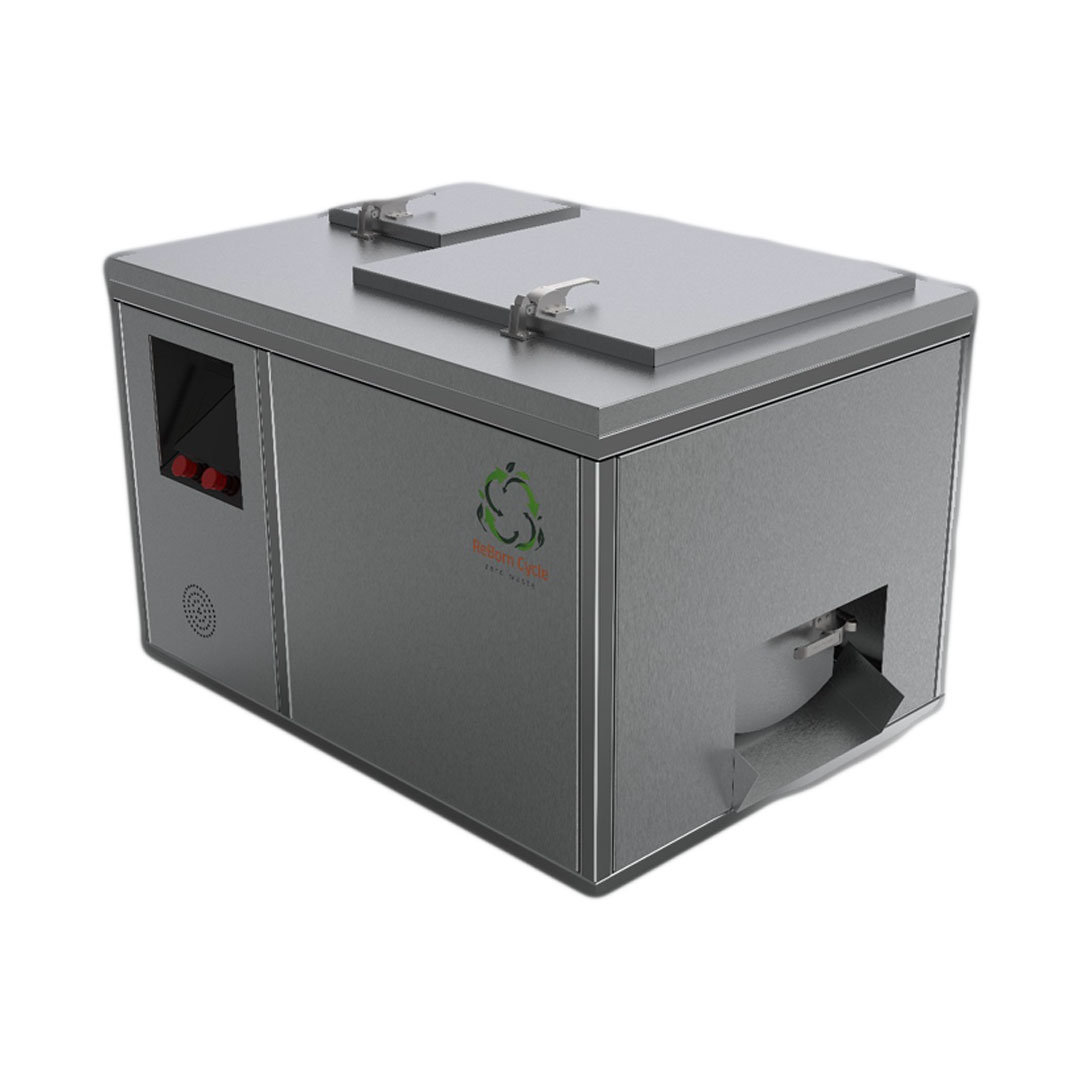
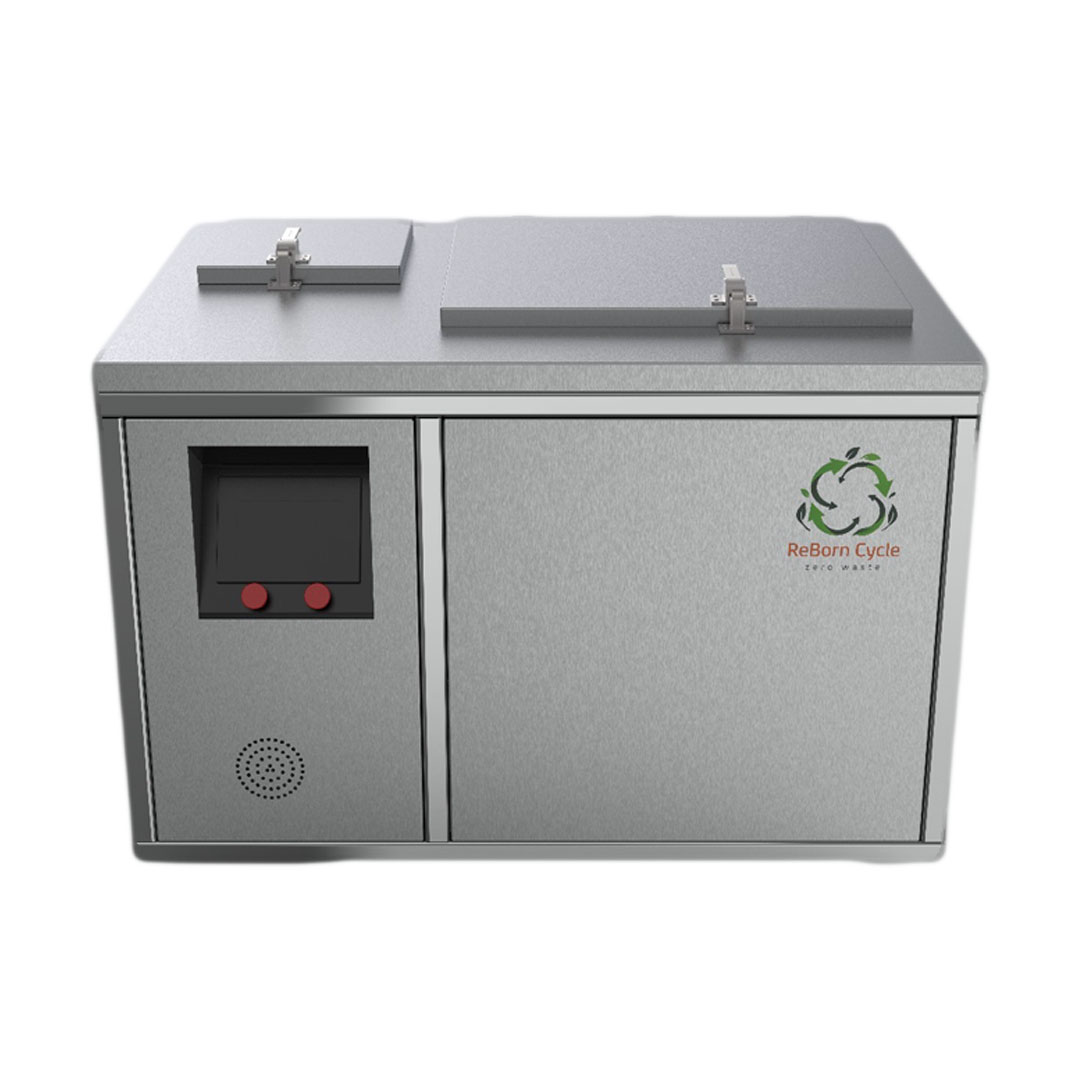
Industrial organic waste conversion units should be selected to match the facility's space constraints, waste volume and operational capacity. Closed-system units with heat treatment, mixing and volume reduction technologies greatly reduce odor and pest problems and enable hygienic conversion.
4. Utilizing the Output and Building Partnerships
The resulting compost raw material or mature compost can be used in the facility's own landscaped areas, donated to local producers and farmers, or included in municipalities' park and garden cooperation programs.
Meet Tomorrow's Environmental Standard with ReBorn Cycle
Organic waste ending up in the bin is not a necessity; it is a resource being managed the wrong way. At ReBorn Cycle, we offer innovative solutions that turn the organic waste burden of businesses and institutions into sustainable value. With our industrial organic waste and compost recycling systems, you can put the zero waste vision into practice at your facility, reduce your carbon footprint and make a measurable contribution to nature.
To carry out a waste analysis tailored to your facility, lower your operating costs and take your sustainability goals one step further, get in touch with our expert team. Give it back to nature with ReBorn Cycle.