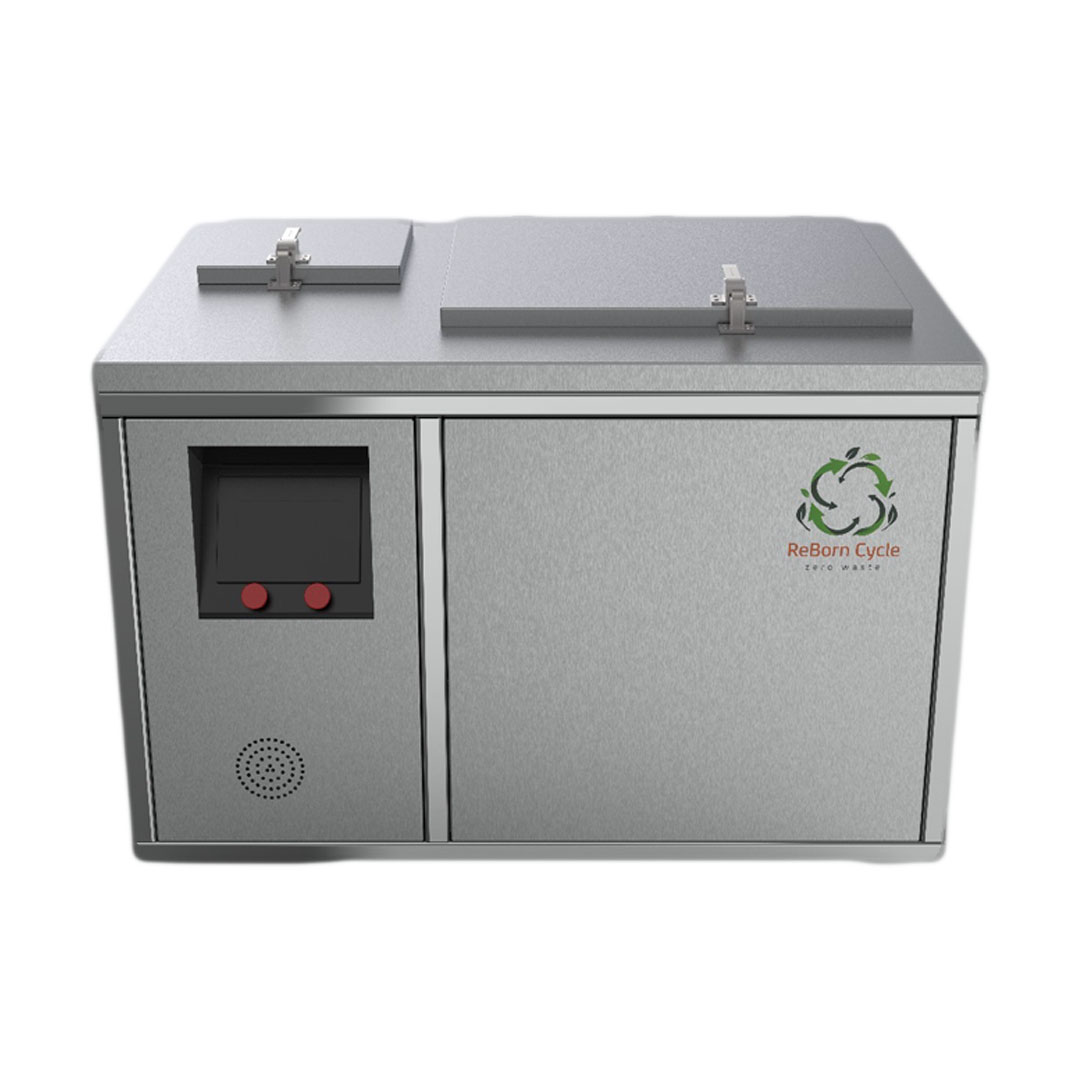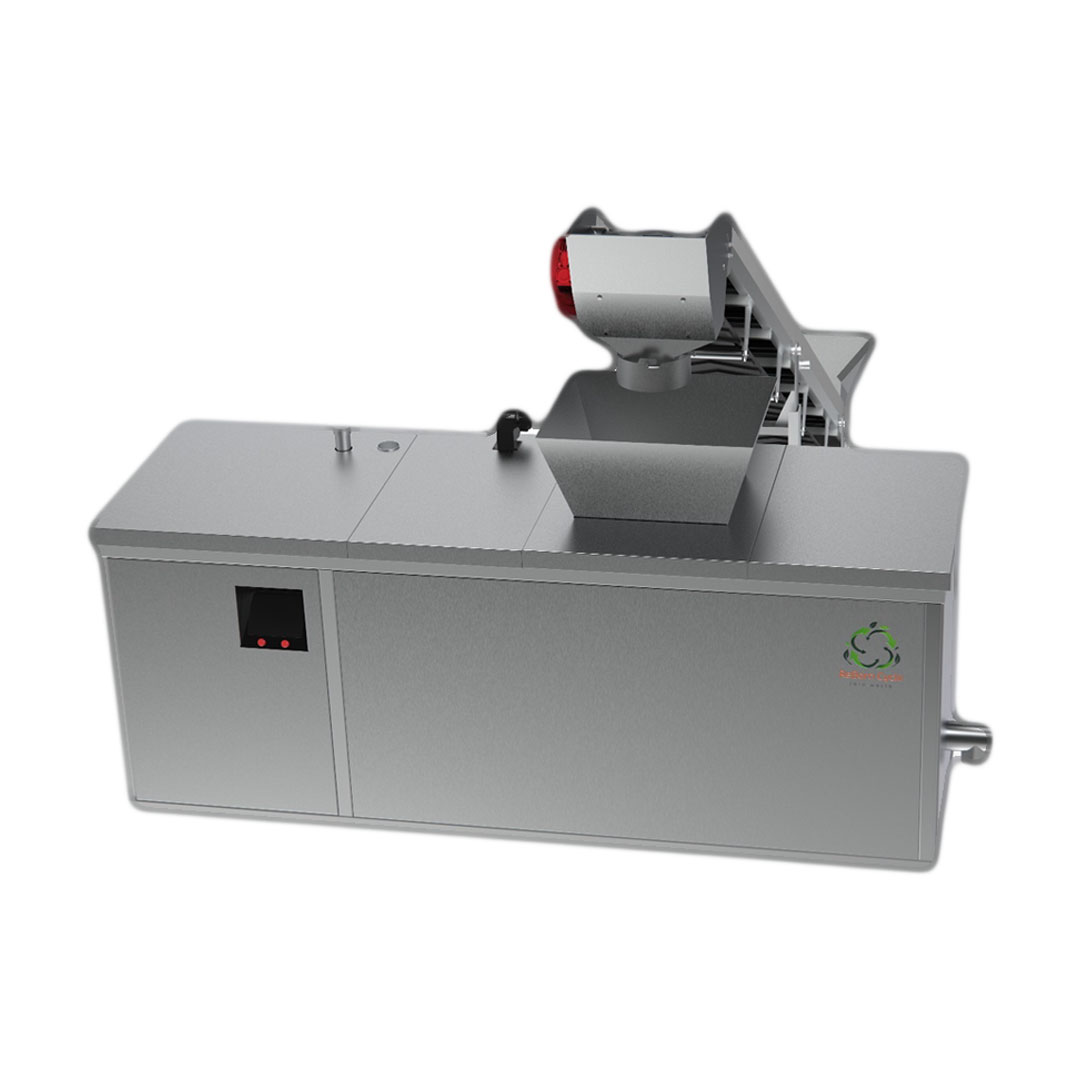


In a food factory, compost machine installation is planned around stream separation, HACCP zoning, and capacity-matched layout; from site survey to commissioning typically takes several weeks when approvals are clear.
A compost machine in a food factory is installed by separating suitable organic streams, passing them through a pre-shredder, placing the unit in a hygiene-compliant zone, and selecting capacity to match kg/day load. Installation finishes with floor, drain, power, and operator training.
Trim waste, packaged rejects, and wash-water moisture are the main reasons factory compost projects stall. Here you will map factory compost machine installation against waste profile, foreign-matter control, and layout, aligned with organic waste management in food factories.
Which Factory Waste Streams Suit a Compost Machine?
Not every stream in a food plant can enter an in-vessel composter. For zones near HACCP, only approved organic trim, selected process residues, and unpackaged fruit and vegetable waste are accepted. Metal clips, plastic labels, oily sump waste, and lab samples stay off the compost path.
In site surveys we often see 300–2,000 kg/day mixed trim; above ~60 % moisture, carbon balance and drainage are planned first. Machine output is stabilised pre-compost, not finished fertiliser; many uses need a few weeks of curing.
| Stream | Compost | Pre-treatment |
|---|---|---|
| Fruit and vegetable trim | Suitable | Shredder, metal detector |
| Packaged rejects | Conditional | De-packaging line |
| Oily process sludge | Not suitable | Separate disposal |
| Staff canteen waste | Suitable | Plastic removal |
| Wash-water sediment | Conditional | Moisture cut, C/N tuning |
Do not size capacity before a stream map; data collected at the site survey turns this table into numbers.
How Should Foreign-Matter Separation Be Designed Before Installation?
Compost line quality in factories is set by foreign-matter control before throughput. Magnetic separators, manual pick stations, and colour-coded bins are cheaper insurance than mixer repairs. A plastic film fragment in wet mass raises odour risk and blocks aeration.
Principles from foreign-matter separation in industrial composting land at three points: trim outlet, post de-packaging, and pre-feed to the machine. Shift operators keep visual check logs at each point.
- Stream map Write kg/day and contamination type per trim point.
- Physical separation Define magnet and hand check before the shredder.
- Banned list Glass, metal, floor chemicals, and clinical waste stay out.
- Sample trend Weekly small samples track plastic share.
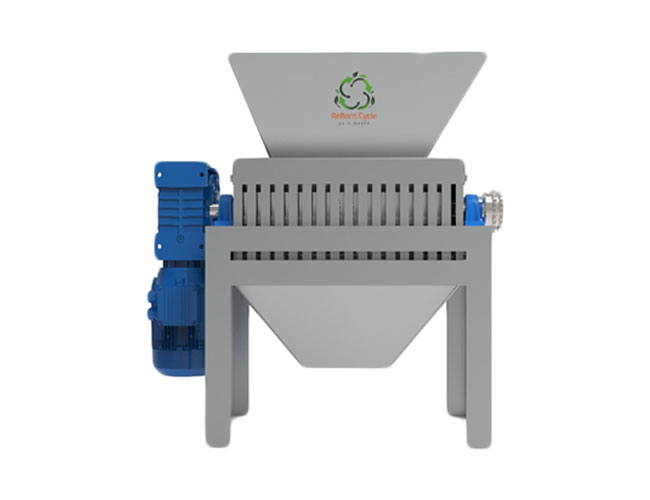
When packaged share is high, the Shredder and a dedicated de-packaging corridor join the install package; otherwise mixer load rises without need.
How Do Wash Water and Wet Waste Shape the Process?
Wash and sanitation often push organic waste into the 65–75 % moisture band. A closed industrial compost machine can run there, but constant liquid feed pulls C/N below ~15:1 and raises odour risk. Target moisture is often 50–60 % with a thermophilic phase at 55–65 °C for several days.
On most sites the fix is not adding fresh water but a dry carbon buffer (sawdust, broken straw, selected cardboard) plus a drain path. Condensate and leachate tied to floor drains belong on the layout early.
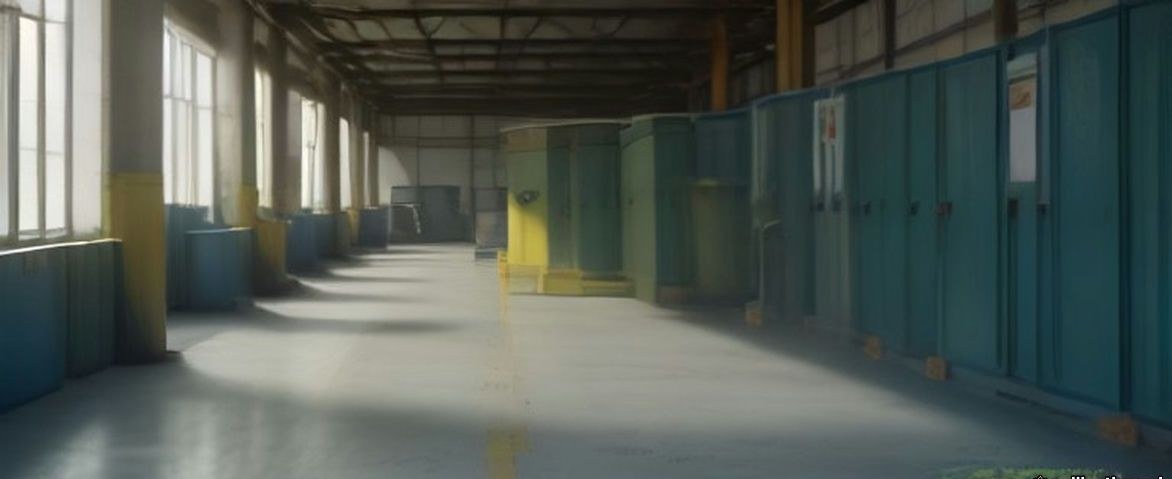
Process teams keep oily streams off the compost list; only approved organic items remain on the daily feed sheet. Moisture and temperature are logged per shift.
Warning: Disinfectant-laden wash water must not go straight into the machine; chemical load harms biology and downstream use risk.
Oily effluent and process sludge stay on a separate route; that contract is drawn before install week.
How Is an Install Area Chosen Near the HACCP Boundary?
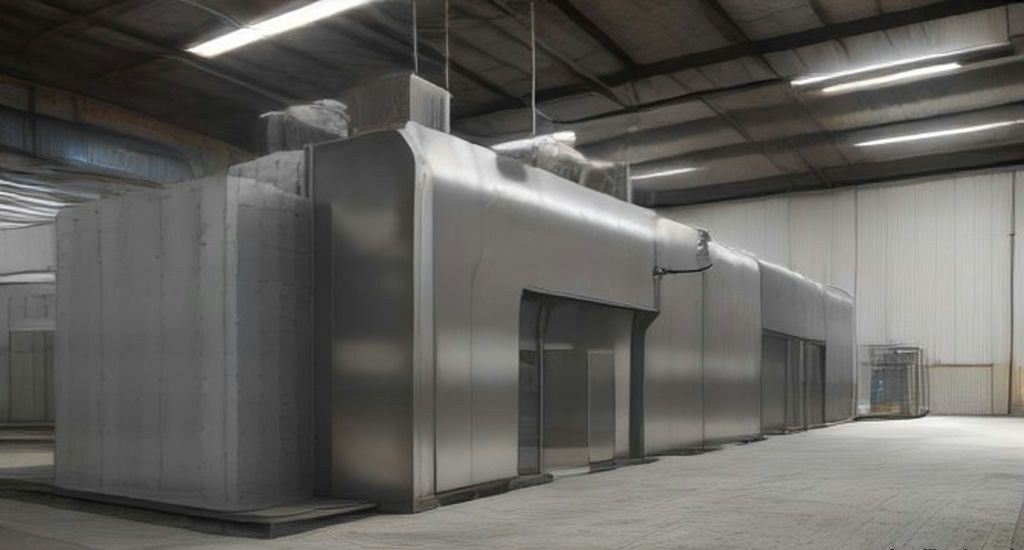
The compost unit should not sit flush against the production line; it usually sits outside the hygiene corridor in a service or waste room with clean–dirty people flow split. Allow roughly 1.2–1.5 m service clearance for bin paths, forklift turns, and lid swing.
The compost machine installation area requirements list for factories adds floor load, exhaust routing, panel clearance, and night-shift noise. Unlike hotel kitchens, steam, fat, and periodic CIP favour protected stainless surfaces.
Roughly 500 kg/day steady trim often starts with the RBN-C500 Compost Machine; single-shift inputs from 800 kg–1 t upward often suit the RBN-C1000 Compost Machine with fewer feed cycles. Peak days and shift count fix the final model.
Tip: A one-week weigh log shows peak days; sizing on average kg/day alone often creates bottlenecks in factories.
How Long Do Preparation Steps Take in a Factory Install?
Calendar time varies by plant size; the bar chart below shows example relative shares for a mid-size food factory (weekday work, approvals included). De-packaging needs or civil permits can extend it.
Long internal haul distances add conveyor scope. During assembly week, service gaps for shredder knives, mixer bearing access, and filter cleaning are measured; the first maintenance calendar goes on the commissioning record. If production downtime is tight, a night-shift test run keeps morning trim flowing.
How Does ReBorn Cycle Run the Factory Installation?
On factory projects ReBorn Cycle first measures kg/day and moisture on site, then merges shredder, compost machine, and drainage on one layout. Domestic build and technical support follow the same team after commissioning.
At handover operators run thermophilic temperature bands, feed rhythm, and foreign-matter forms; balanced kitchen-like input often yields stabilised output in 24–48 hours. Fatty or irregular feeding extends the cycle.
Before kick-off, consulting clarifies de-packaging needs, zero-waste records, and whether output stays on site or moves to a curing pad. When needed, hygiene protocol on the compost line is adapted to factory forms.
A free site survey appointment collects photos of the waste room, shift plan, and electrical panel location so install day surprise lists stay short.
Frequently asked questions
Can a compost machine sit right beside the food production line?
No. The unit usually sits outside the hygiene corridor in a dirty zone or waste room. A physical barrier and separate people flow from production cut HACCP cross-contamination and odour drift.
Can packaged trim go straight into the compost machine?
It should not. Plastic and metal must leave via de-packaging or pre-shredder separation first. Otherwise wrap-up on the mixer, odour, and breakdowns increase. High packaging share needs a dedicated de-pack line.
What machine capacity fits about 750 kg/day of factory trim?
For steady 750 kg/day on one shift, a C1000 class machine is a common starting point; if peaks exceed ~30 %, add headroom or a second feed window. Final choice needs a weigh log.
What infrastructure does a factory need for compost machine installation?
You need load-bearing concrete, three-phase power, drain or condensate routing, exhaust discharge, and bin manoeuvre space. Door width and service clearance are measured at survey. Gaps are closed before assembly.
Is operator training required after installation?
For factory hygiene rules it is effectively mandatory. Operators must learn banned waste lists, moisture checks, temperature logs, and contact-surface cleaning. Training records go into internal audit files.
Can machine output be spread straight on fields?
In most cases no. Output is pre-compost and needs weeks of curing. Without finished C/N, moisture, and pathogen reduction, off-site soil use is risky. Plan on-site curing or a contracted compost pad.
A Solid Compost Line Plan for Food Plants
Factory compost installation starts by choosing the right streams; oily and chemically loaded inputs stay off the line. With foreign-matter control and moisture management, a closed system moves odour and volume away from production while operator logs stay audit-ready.
Size for peak days and bundle shredder plus area needs in one layout drawing. Finish output with curing and tie weigh data to zero-waste and sustainability reports so the investment case is numeric.
When site data is ready, book a free site survey to fix layout and model, and use consulting before install to lock de-packaging and hygiene steps.