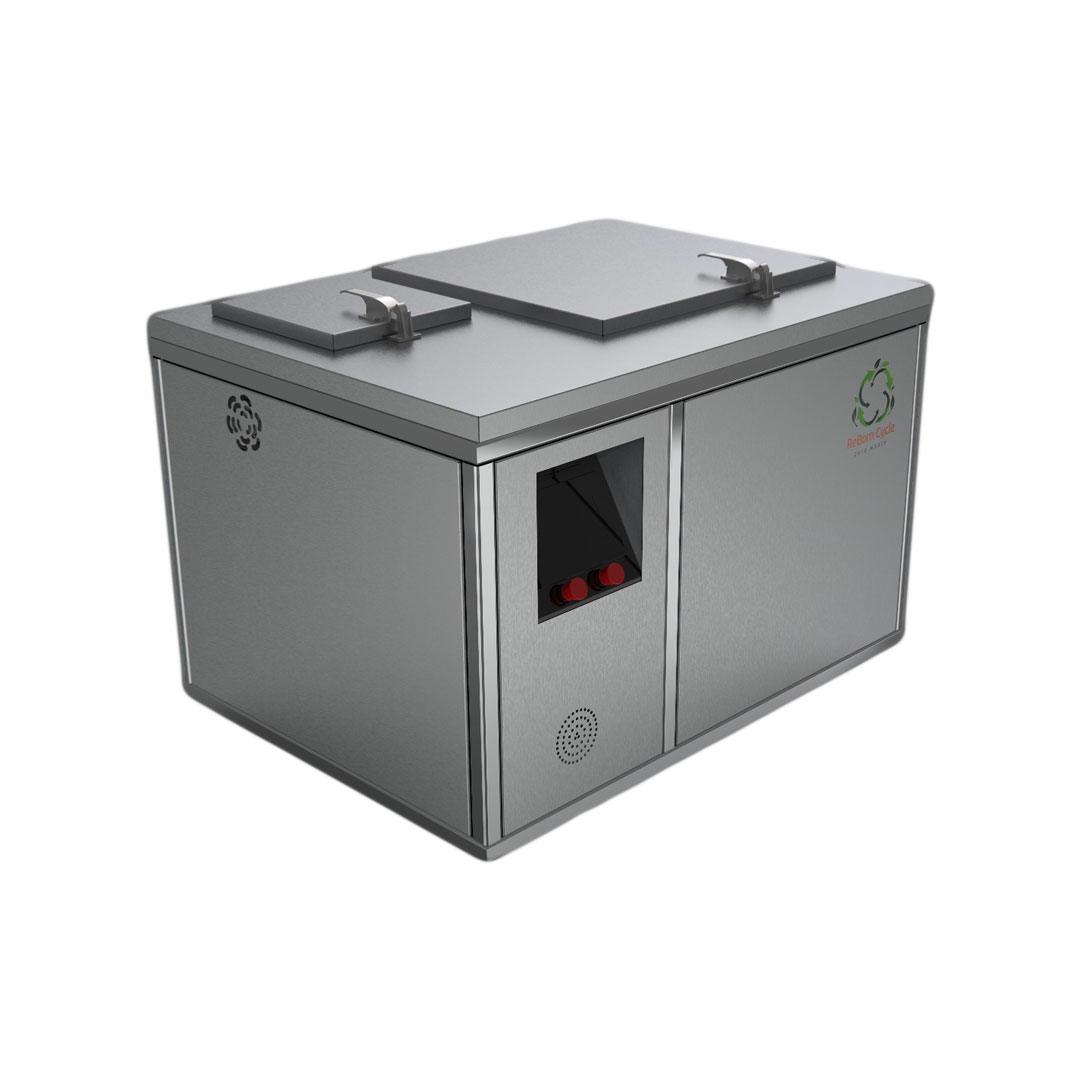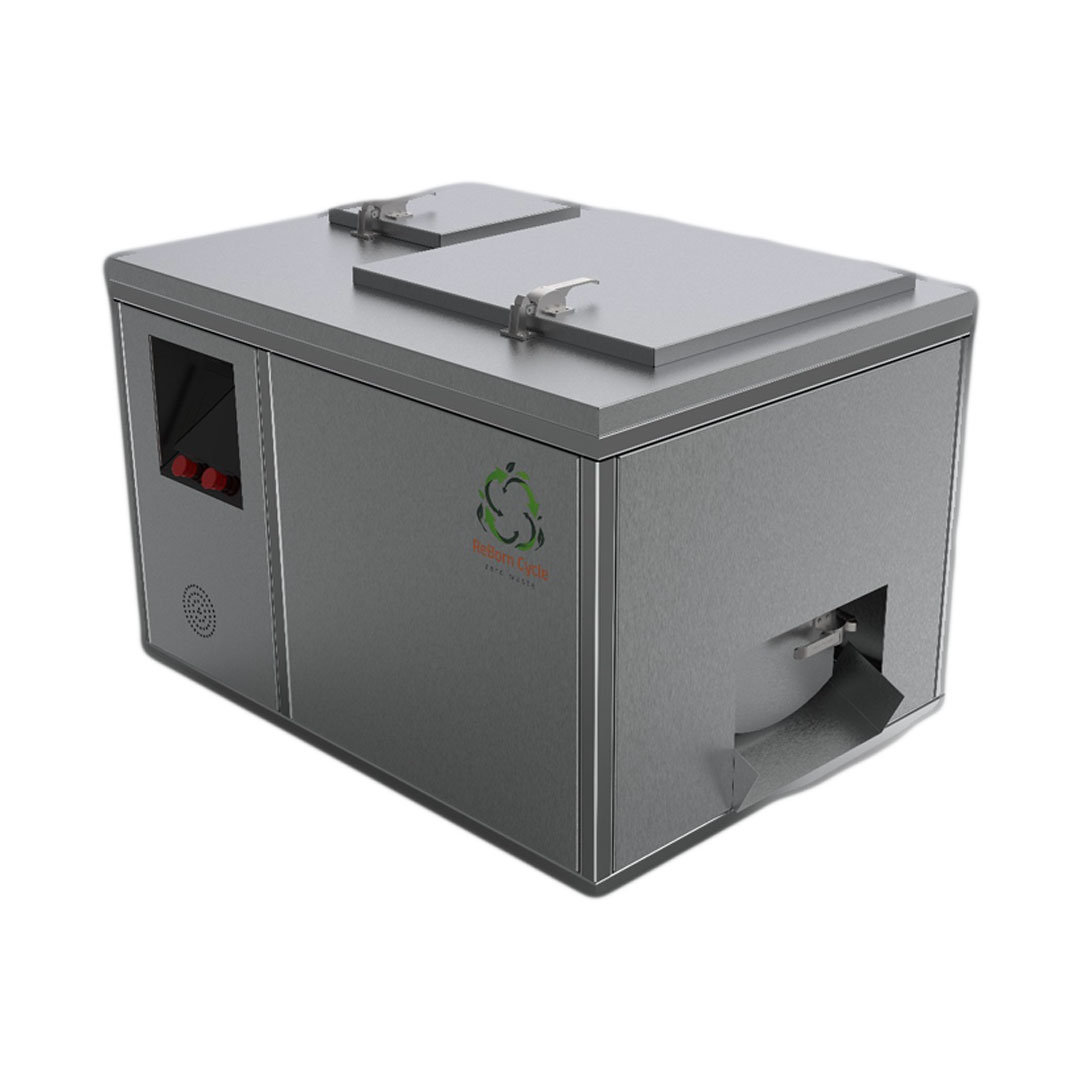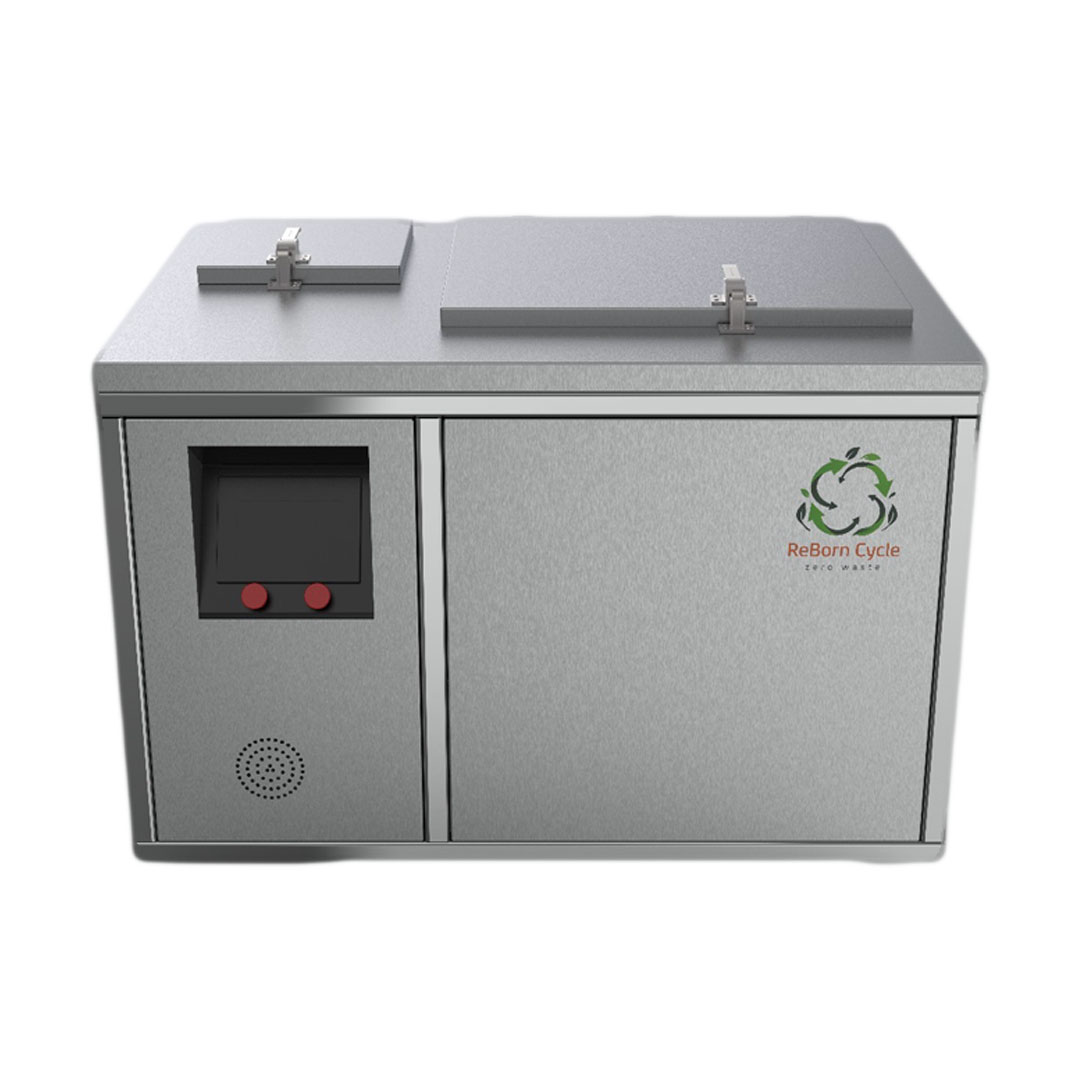
How to read the return on compost investment by calculating disposal, logistics, and output value together.
ReBorn Cycle — project feasibility and cost advisory
The return period is not simply a single catalog figure; it is calculated as monthly disposal cost + logistics cost – energy cost + output benefit.

Cost items
| Item | Impact | Note |
|---|---|---|
| Disposal/tonnage fee | High | Monthly invoice |
| Transportation and containers | Medium-high | Frequency critical |
| Energy | Medium | Model and cycle |
| Labor | Low-medium | Routine duration |
Simple ROI reading
Monthly net savings ≈ (old disposal+logistics) − (energy+labor+maintenance share). Investment / monthly net = roughly return in months. If there is an output value, it is added.
Errors that disrupt ROI
- Inflating the capacity
- Neglecting to separate
- Ignoring energy
- Not taking into account operator time
Related product models
Related blog articles
- How much electricity a compost machine uses
- On-site processing for zero-waste certification
- How hotel kitchens should manage organic waste
Frequently asked questions
How many months does it return?
The duration varies depending on the specific circumstances; in hotel or kitchen renovation projects, the typical timeframe is between 18 and 48 months, though this cannot be guaranteed.
Are incentives included in the calculation?
It is added as a separate line to the feasibility analysis; no binding assumption is made.
Does it make sense in a small business?
When the daily weight and disposal unit price are low, weighing and inspection are mandatory.
Next step
Share your monthly waste bill; let's generate an upfront feasibility table. Contact us.