Yes. In Turkey, compost machine investments may qualify for KOSGEB programs, development agency calls, investment incentive certificates, EU-funded projects or green loans; eligibility depends on the current call.
Yes, grants and incentives for compost machines can be available, but there is no single program that is always open. In Turkey the main options are KOSGEB support programs, development agency funding calls, investment incentive certificates, EU-funded projects for municipalities and green loans from banks. Eligibility, support rates and deadlines differ with every call.
Businesses and municipalities planning on-site organic waste processing often ask whether part of the investment can be covered by support programs. This guide explains the main types of support available in Turkey, how they work, and how to prepare a strong application, which is useful if you are investing there. We deliberately give no program names, amounts or dates, because these change from round to round. To build a sound budget, it also helps to know what determines compost machine price.
What Types of Support Exist for Compost Machines?
Support for compost machine investments in Turkey falls into five broad categories. Each has its own eligible applicants, form of support and timetable; which one fits a given investment depends on the size of the organization, its region and the calls that are open at the time.
| Type of support | Who it is for | Form of support |
|---|---|---|
| KOSGEB support programs | SMEs and entrepreneurs | Non-repayable or repayable support, depending on the program |
| Development agency calls | Businesses, public bodies, municipalities and NGOs as defined in the call | Project-based financial support, usually with co-financing |
| Investment incentive certificate | Investors meeting the statutory criteria | Incentive tools such as tax and customs duty exemptions |
| EU-funded and international projects | Mostly municipalities and public bodies | Grant programs, usually with co-financing |
| Green finance loans | Businesses and institutions of any size | Sustainability-focused loan products |
The table is a general framework. Support rates, ceilings and eligible cost items are set out in each program's own guidelines and may change.
How Do KOSGEB and Development Agency Programs Work?
KOSGEB, Turkey's agency for small and medium-sized enterprises, opens and updates support programs for SMEs from time to time. Whether a compost machine qualifies depends on the program's purpose, its definition of eligible costs and whether the company meets the SME criteria. The only reliable source is the current program guideline on KOSGEB's official website.
Turkey has 26 development agencies, each responsible for one region. They announce financial support programs through calls for proposals; applications are evaluated as project proposals, and beneficiaries are usually expected to contribute a share of co-financing. Environment, zero waste or resource efficiency may be a priority in some calls and absent from others.
Tip: Follow KOSGEB announcements and the calls of the development agency in your region regularly. Once a call opens, preparation time can be short; having waste data and technical information ready in advance makes the application far easier.
Investment Incentive Certificates and Green Finance
An investment incentive certificate is issued in Turkey for investments that meet the criteria defined in legislation, and for new machinery and equipment it can include tools such as VAT exemption and customs duty exemption. Minimum investment amounts, regional and sector conditions change over time. A compost machine is often included as part of a larger facility investment; check current conditions in the official legislation database (Mevzuat Bilgi Sistemi) and the relevant ministry announcements.
On the green finance side, some commercial and development banks offer sustainability-focused loan products for investments with measurable environmental benefits. These loans usually require concrete project outputs, such as the amount of organic waste diverted from landfill, fewer waste collection trips or the volume of compost produced. Indicators based on your own weighing records build credibility in the bank's assessment.
Projects for Municipalities and Public Institutions
Turkey's Zero Waste Regulation, published in 2019, requires separate collection of biodegradable waste in many types of facilities. As a result, municipalities, hospitals, universities and public campuses develop projects to process organic waste on site. For these institutions, development agency calls and EU-funded grant programs are the main sources. We cover how on-site processing supports zero waste work in our article on on-site processing for the zero waste certificate.
In public projects, procurement after grant approval is usually carried out through a public tender. That is why the technical specification must be neutral, measurable and matched to the required capacity.
Organizations investing outside Turkey will also find EU-level and national or local programs. The European Commission promotes separate collection and recycling of biodegradable waste, but program names, conditions and timetables vary from country to country. Get current information from the competent authorities where you operate.
How Do You Prepare a Grant Application?
Support programs differ, but strong applications share the same core: a clear need, measured data, a realistic budget and measurable outputs. The steps below can be adapted to most calls.
- Check the call and eligibility Confirm eligible applicants, region, eligible cost items and the deadline in the guidelines.
- Document your waste data Weigh daily waste for at least 2–4 weeks and record waste types.
- Define the technical solution Select capacity and line layout from measured data, using our guide to writing a technical specification.
- Build the budget and co-financing List machine, installation and training separately, backed by pro forma quotes.
- Define measurable outputs Set indicators such as waste processed, collection trips avoided and compost produced.
- Submit and plan reporting Put post-approval monitoring and reporting obligations on the schedule from the start.
Warning: Many programs do not fund costs incurred before the contract is signed. Do not place an order before reading the call guidelines, and run your return on investment calculation without any grant as well.
How Does ReBorn Cycle Support the Application Process?
Grant decisions are made by the funding bodies; ReBorn Cycle does not promise support amounts or approval. Our contribution is on the technical side of the application. During the site survey we map the waste profile, prepare a capacity recommendation based on measured data and provide the technical information the application file needs: a pro forma quote, an installation timeline, and an operator training and after-sales service plan.
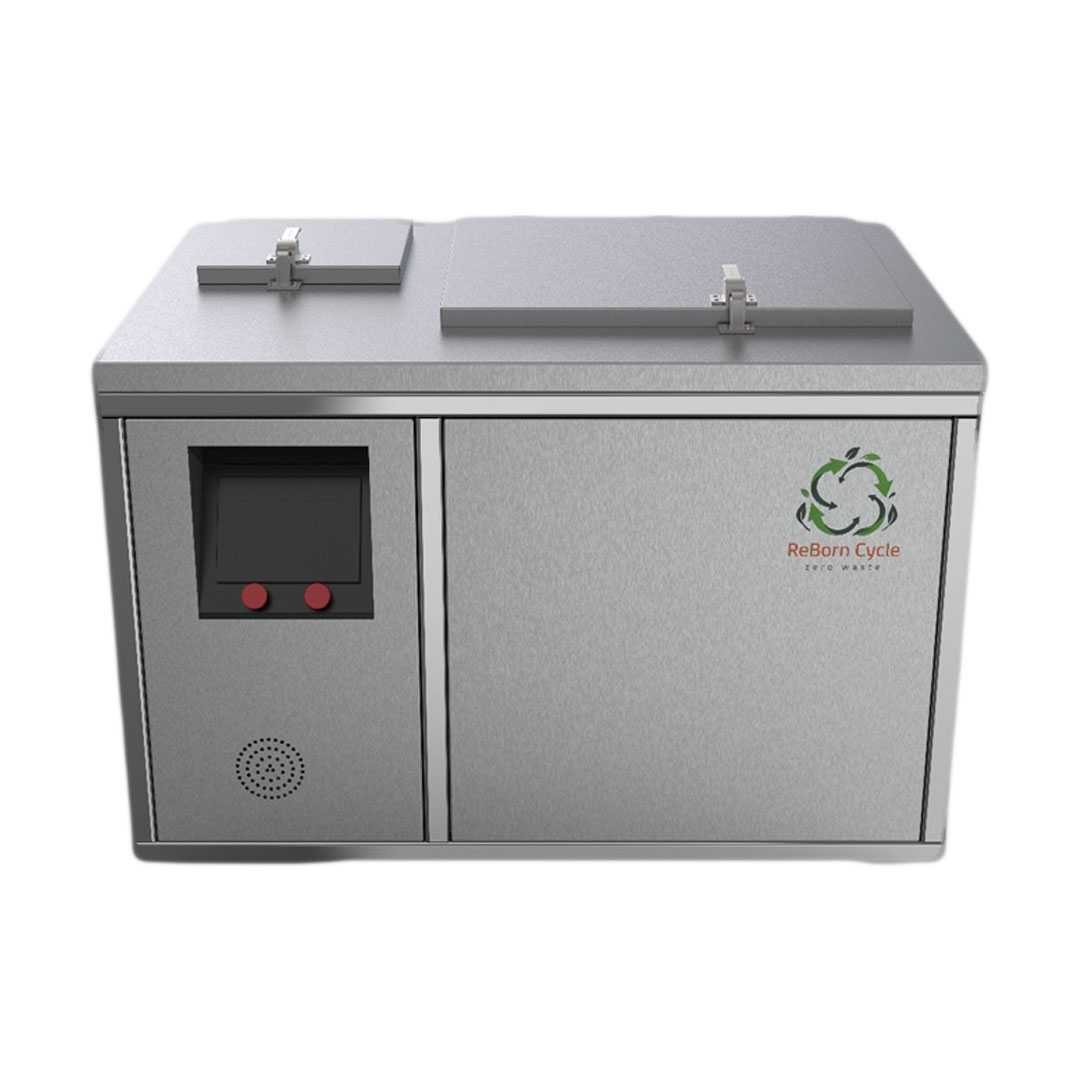
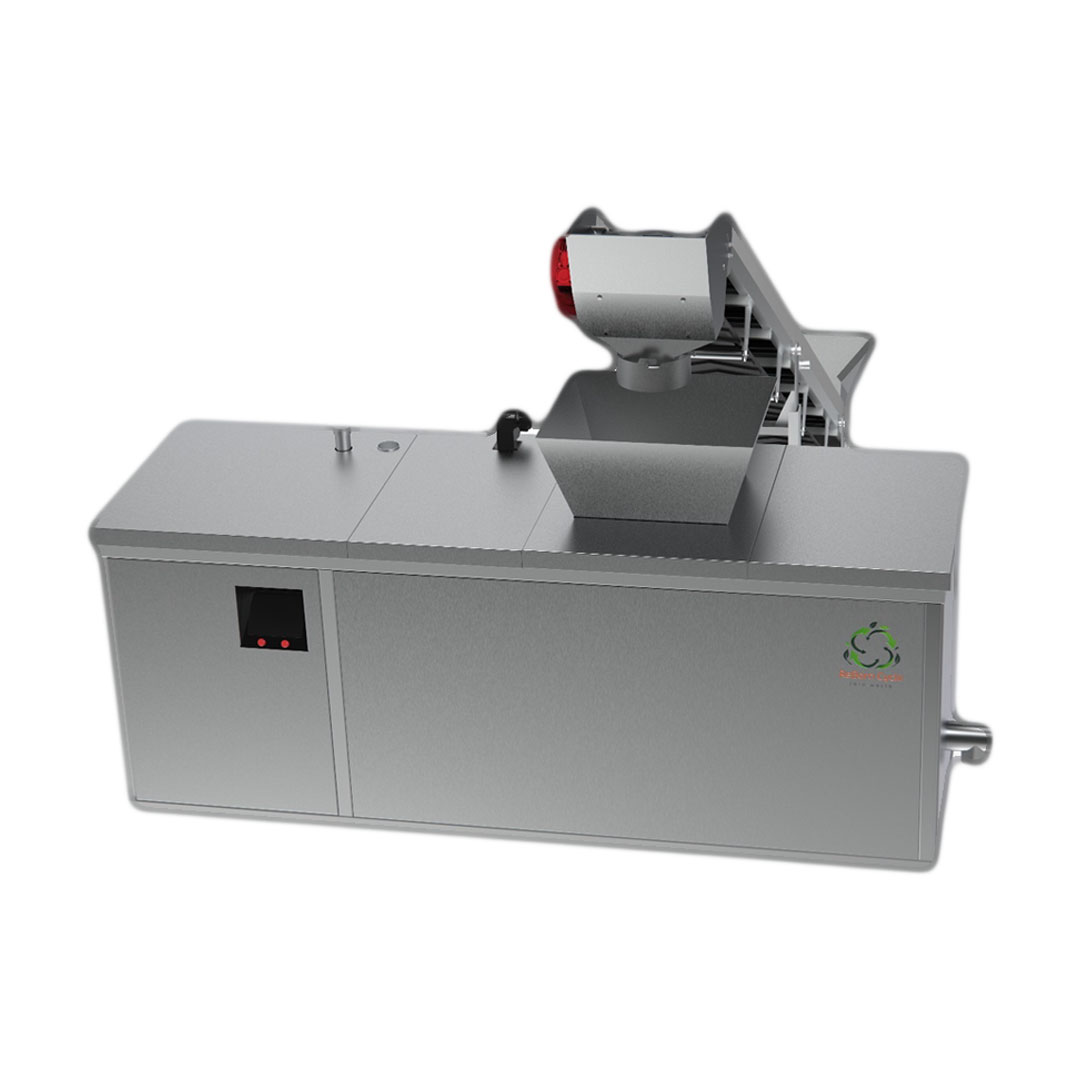
For example, a hotel or campus producing around 200 kg of organic waste a day could consider the RBN-C250 Compost Machine, while a municipality or food plant processing roughly 1 ton could look at the RBN-C1000 Compost Machine. The closed, heated, aerated and mixed system typically turns kitchen waste with balanced moisture into stabilized pre-compost material in 24–48 hours, and a curing period of a few weeks is recommended for full maturity. Listing these two stages separately when defining project outputs keeps reporting realistic.
Frequently asked questions
Does KOSGEB support the purchase of compost machines?
That depends on the program open at the time. KOSGEB programs target SMEs, and each has its own purpose, eligible cost items and support rate. To find out whether a compost machine counts as an eligible cost, read the current program guideline on KOSGEB's official website or contact the KOSGEB office in your province.
Who can apply for a development agency grant?
Eligible applicants are defined separately in each call. Depending on the call, businesses, municipalities, public bodies, universities, professional associations or NGOs may apply. The project must be located in the region the agency covers and must fit the priorities of the call. Details are in the agency's application guidelines.
Can I buy the machine before applying for a grant?
It is generally not recommended. In many support programs, costs incurred before the contract is signed are not eligible and will not be funded. Read the call guidelines first, apply with a pro forma quote if required, and leave the purchase until after approval and contract signing. Always follow the current text of the specific program.
Can municipalities get support for a composting facility?
Yes, development agency calls and EU-funded grant programs are the main options for municipalities. Because Turkey's Zero Waste Regulation requires separate collection of biodegradable waste, organic waste projects are high on municipal agendas. Procurement after approval is usually done by public tender, so preparing the technical specification early is important.
Is there support for investments outside Turkey?
Yes, many countries offer EU-level, national or regional support programs. The European Commission promotes separate collection and recycling of biodegradable waste, but program names, eligibility rules and timetables vary from country to country. Get current information from the competent authorities and official announcements in the country where you plan to invest.
What documents does a grant application require?
The exact list is in the call guidelines, but most applications ask for organizational documents, a project description, a needs analysis, a budget, pro forma quotes, a technical specification and expected outputs. For compost projects, measured waste data and a justified capacity choice are strong evidence that the project is realistic.
To prepare a capacity recommendation and technical information set based on measured waste data for your application, request a site survey, and our team will review your site and propose a suitable solution.