

On-site placement of a small compost machine in a ready room is measured in days. A municipal line takes longer because of the building and permits. Manufacturing time depends on the model and the queue.
Compost machine installation for a small machine in a ready room is measured in days on site. A municipal line takes longer because of the building and permits. Manufacturing time depends on the model and the queue, not a fixed number of weeks. In most projects the decision, the measurements and the utilities take longer than physical placement.
People usually ask when the machine will arrive. On our site surveys the calendar looks different. A delivery date is not a start date until the room, the power, the drain and the decision are finished. This article splits the timeline from the survey through the first weeks of supervised feeding. The same frame fits a hotel, a hospital and a municipal line. What changes is how long the building and the permits take. The data we ask for is listed in what data a site survey collects.
Which Phases Make Up Compost Machine Installation?
Compost machine installation is not a single fitting day. The calendar runs through data and survey, layout and utilities, manufacturing, delivery, placement, electrical and drain connections, commissioning, operator training and the first weeks of supervised feeding.
On site surveys, the item that stretches the calendar is rarely the moment the machine is set down. It is the decision and the room. Placement of a small machine in a ready room is measured in days. A municipal line takes longer because of the building and the permits.
The bars below are an example share of calendar time for a hotel project. The percentages are an assumption. The manufacturing share changes with the model and the queue. It is not a fixed number of weeks.
What Does the Facility Prepare Before Installation?
Before the machine leaves the factory, the facility's preparation sets the calendar. A missing drain or a narrow door turns site work into waiting. Room size, floor and ventilation are covered in the practical checklist on compost machine installation area requirements.
A 7–14 day weighing window is not a manufacturing promise. It is the measurement period used to see the waste profile. On municipal projects the same list also includes the permit and building acceptance.
| Phase | What the facility prepares |
|---|---|
| Data and survey | Daily kg, peak day, waste type |
| Layout | Room size, door, floor |
| Utilities | Power, water, drain, exhaust |
| Delivery | Address, ramp, unloading time |
| Placement | Room empty, route clear |
| Connections | Electrician and drain point ready |
| Training | Shift owner named |
| First weeks | Daily weight and observation note |
Tip: Photograph the clear door width, the threshold height and the drain point before the machine arrives.
How Long Does On-Site Placement Take?
On-site placement means getting the machine through the door, setting it on the floor, aligning it and fixing it. For a small machine in a ready room, that work is measured in days. If the room is empty, the door opening fits and the floor level is known, the crew can move to the connection check in the same visit.
A municipal or regional line takes longer because of the building, the sealed floor, the roof and the permits. If the corridor is still under fit-out, the machine cannot come in.
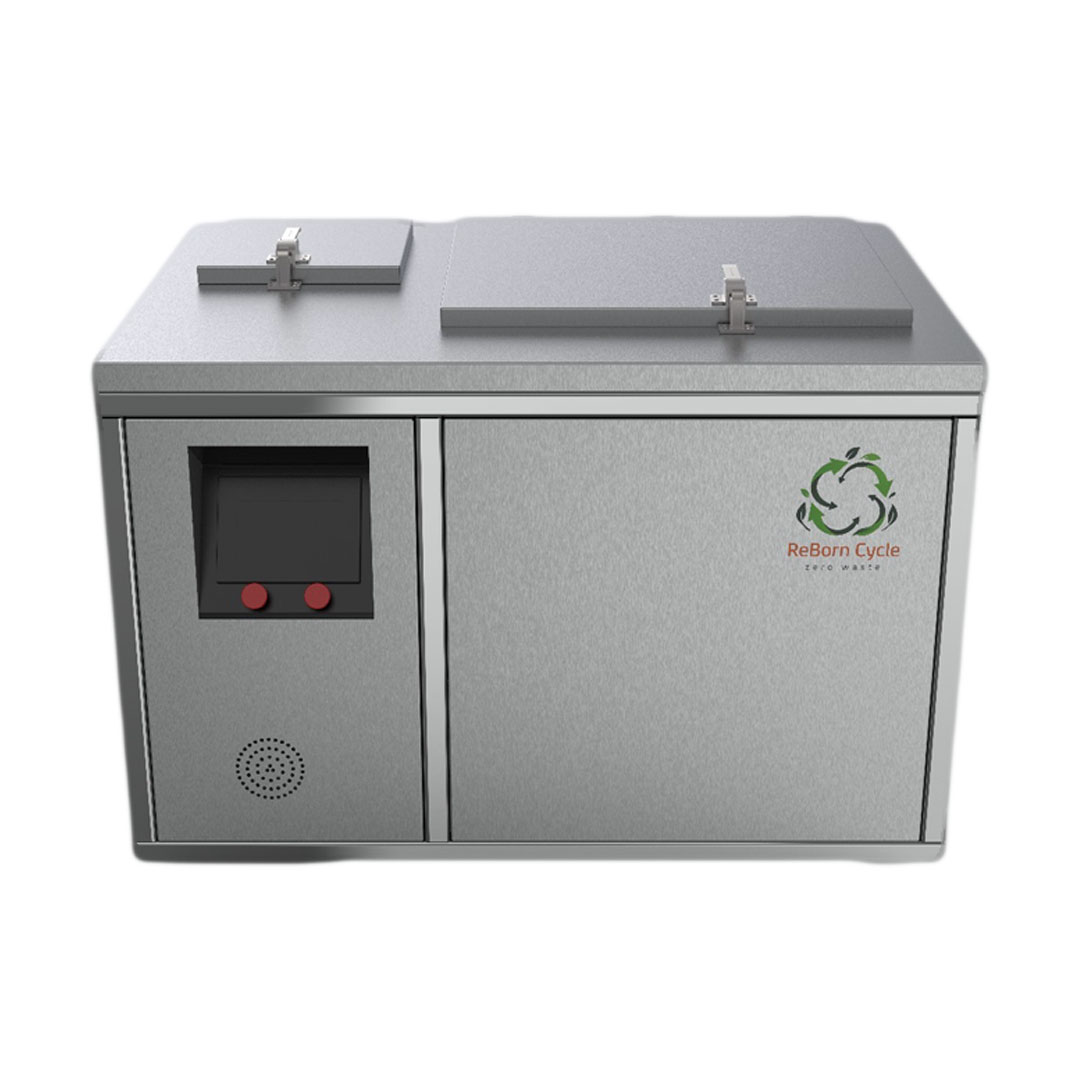
A 100 kg/day RBN-C100 Compost Machine fits this ready-room pattern in a hotel or hospital kitchen. A 500 kg/day RBN-C500 Compost Machine moves toward a central kitchen. The conveyor and the area preparation add to the calendar. If a connection point is missing, placement can finish and commissioning still waits.
What Do Manufacturing and Delivery Depend On?
Manufacturing time depends on the model and the production queue. We do not state a fixed number of weeks for ReBorn Cycle here. The current place in the queue is written on the order confirmation.
Delivery is the logistics step after the machine has been built and is ready. The facility states the address, the unloading time, whether a ramp or forklift is available, and the door width.
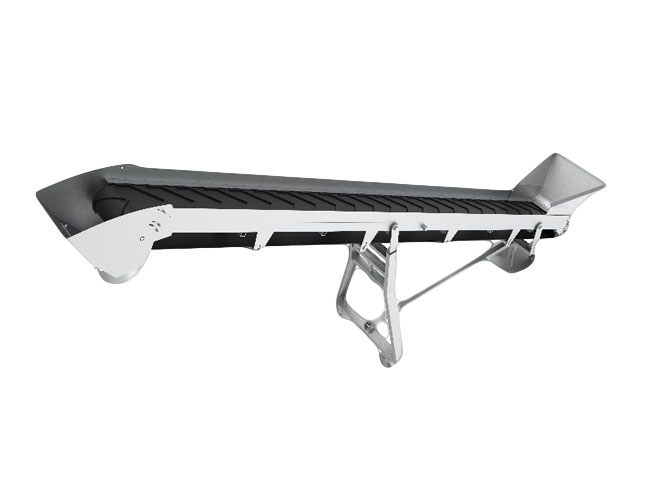
Line equipment changes the calendar. If a Conveyor Belt is added for feeding or discharge, its fitting is planned in the same window as the machine. At larger capacity the conveyor and the receiving area turn an in-room placement into something closer to building work.
Warning: A delivery statement follows the queue on that day. Asking for shipment before the building or the permit is finished leaves the machine waiting on site.
How Do Commissioning and Training Fit the Calendar?
Commissioning does not end when the machine has power. The first feed is stepped. The load is not raised to full capacity in one day before the temperature settles in the 55–65 °C band. With balanced moisture, the in-machine cycle for kitchen waste is typically 24–48 hours.
- Empty run Heating, mixing and aeration are checked with no load.
- Stepped load The first days use part of the capacity.
- Recipe Moisture is held in the 50–60% band. On a fatty day the pace is slowed.
- Training round The shift owner tries feeding, cleaning and a simple fault check.
Operator training sits inside this window. The detailed programme is in compost machine operator training. Operator training can be planned on the same visit. The first weeks are supervised feeding, so moisture and temperature can settle when the waste is irregular or fatty.
How Does ReBorn Cycle Run the Installation?
We start the installation from data taken on site. Daily quantity, peak day, door, floor, power and drain are seen in place. A missing point is written into the report and closed before shipment.
The technical support crew runs placement, the connection check and the stepped first feeds. Because the machines are built domestically, the line can be planned with a conveyor against the room size and the waste profile.
What happens next is covered in the compost machine installation and maintenance guide. That guide is about periodic maintenance. This page separates the calendar from the decision through the first weeks. Machine output is a stabilized, hygienized pre-compost material. For fully mature compost, a curing period of a few weeks is recommended depending on use. That period is not part of the installation calendar.
Frequently asked questions
How many days does a small compost machine take to install?
On-site placement of a small machine in a ready room is measured in days. If the room is empty, the door fits and the drain is ready, the crew can move to the connection check in the same visit. If the room is still being fitted out, the time waits on paint and the floor.
Why does a municipal compost line take longer to install?
A municipal line takes longer because of the building, the sealed floor, the roof and the permits, not because of the bolts. Shipping before the permit and acceptance are finished leaves the equipment waiting on site. Do not use the same day count as a ready hotel room.
How many weeks does compost machine manufacturing take?
Manufacturing time is not given as a fixed number of weeks. It depends on the model chosen and on the production queue at that date. The same capacity can leave in a different window in a different month. The current queue position is written on the order confirmation. Build the plan from that confirmation.
Must power and drain be ready on installation day?
Yes. Power, water and drain points should be marked before the machine arrives. Without a point, placement can finish and commissioning still cannot start. A qualified electrician and an open drain are part of the installation day. A missing connection becomes a second visit and an empty day on the calendar.
Is operator training part of the installation?
Yes. Operator training sits inside the commissioning window. The shift owner learns feeding, moisture, the temperature log, cleaning and a simple fault check by doing them. Leaving the machine unsupervised before training can cause a wrong load in the first week. The named person should attend the training in person.
Why is feeding supervised in the first weeks?
Supervised feeding is not there to stretch the calendar for its own sake. With fatty or irregular waste, moisture and temperature settle onto the recipe in the first weeks. Once the log is steady, visits become less frequent. With balanced kitchen waste the in-machine cycle is typically 24–48 hours.
A Realistic Start for the Installation Calendar
Compost machine installation for a small machine in a ready room is measured in days on site. On a municipal line the building and the permits stretch the calendar. Manufacturing time depends on the model and the production queue. Stating a fixed number of weeks breaks the plan when the queue moves.
A practical order is this. Weigh the waste for at least 7–14 days, photograph the door and the drain, mark the power point and name the shift owner for training. Do not ask for shipment before the room and the permits are finished. Keep the first feed stepped, and do not go to full load before the temperature settles in the 55–65 °C band.
To build the calendar from the real room and the real waste, you can book a free site survey. The crew sees the door, the floor, the power and the drain in place. The current manufacturing queue is confirmed separately. The placement day then does not land on a corridor that is not ready.