When buying a compost machine, size capacity from measured waste data first, then weigh stainless steel construction, process control, odor management, installation space, energy, service and operator training together.
When buying a compost machine, the most important point is sizing capacity from measured daily waste data and peak days. After that, assess stainless steel on waste-contact surfaces, control of temperature, aeration and mixing, odor management, installation space, energy needs, operator training and after-sales service together. Price alone should never be the deciding factor.
A compost machine is an investment that will run every day for many years; the wrong choice means either a constantly overflowing vessel or an expensive unit running half empty. The most common mistake we see in site surveys is capacity based on guesswork. This article gives you a checklist of the data to collect before buying, how a waste profile is measured on site, the technical criteria that matter and the questions to ask every supplier.
What Should You Check First When Buying a Compost Machine?
The first thing to look at is not the machine but the waste itself. For a sound decision, at least the following data must be clear:
- Daily quantity: kg/day for an average and a peak day, ideally from 1–2 weeks of weighing records.
- Composition: cooked food, fruit and vegetables, bread, meat and bones, fat content and packaging contamination.
- Moisture: liquid-rich waste lengthens the cycle and increases the need for carbon-rich bulking material.
- Seasonality: occupancy at hotels, schools and campuses varies widely from month to month.
- Use of the output: landscaping, greenhouses, agriculture or disposal; quality expectations shape the process.
Without this data, every capacity recommendation is a guess. In Turkey, the Zero Waste Regulation requires separate collection of biodegradable waste in many facility types, so plan how sorting will work at this stage too. We describe the data we collect in detail in what data is collected during a site survey.
How to Choose the Right Compost Machine Capacity
Capacity should be sized for the peak day and expected growth, not the average day. Running a machine constantly at its limit increases moisture and odor problems, while an oversized machine drives up investment and energy use for no benefit.
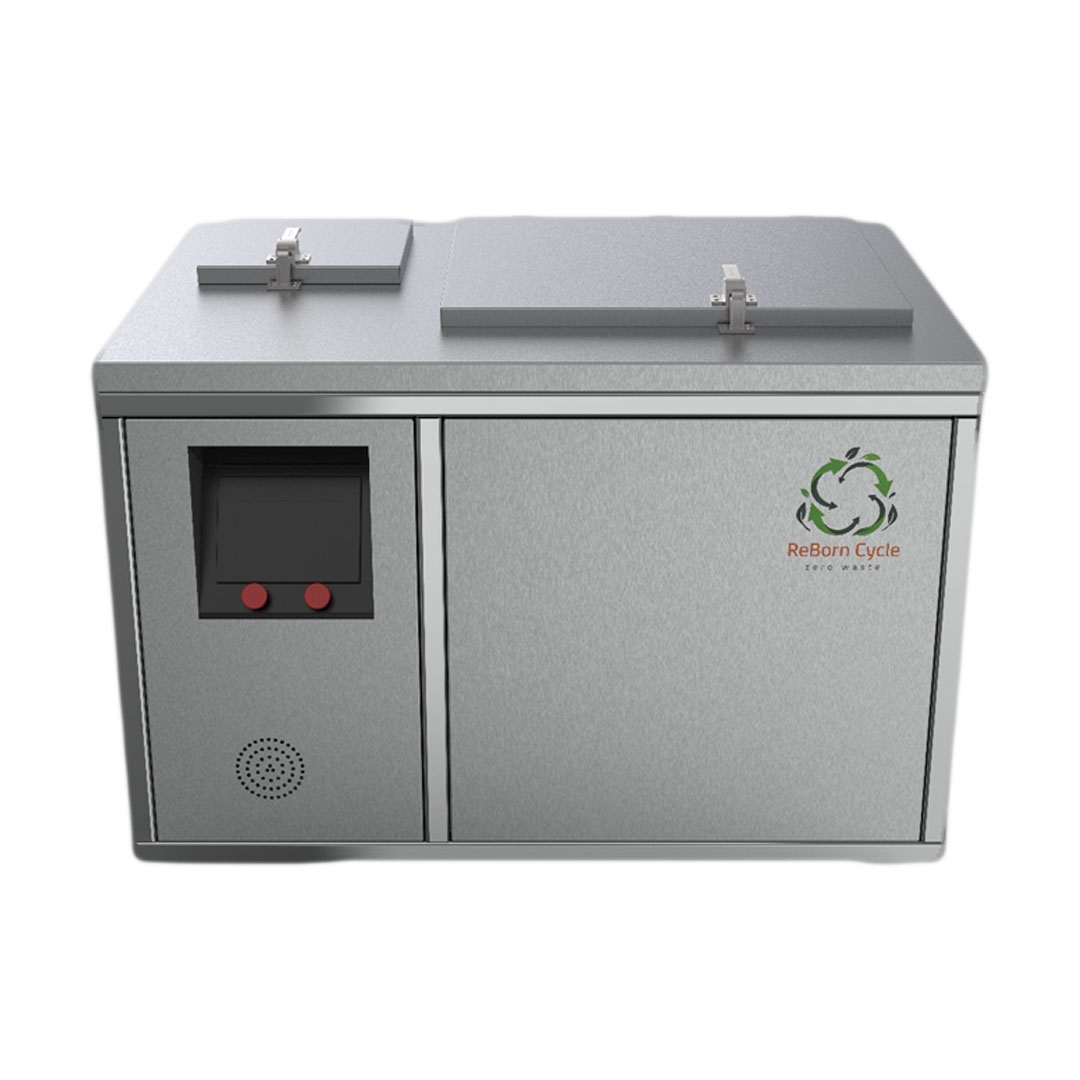
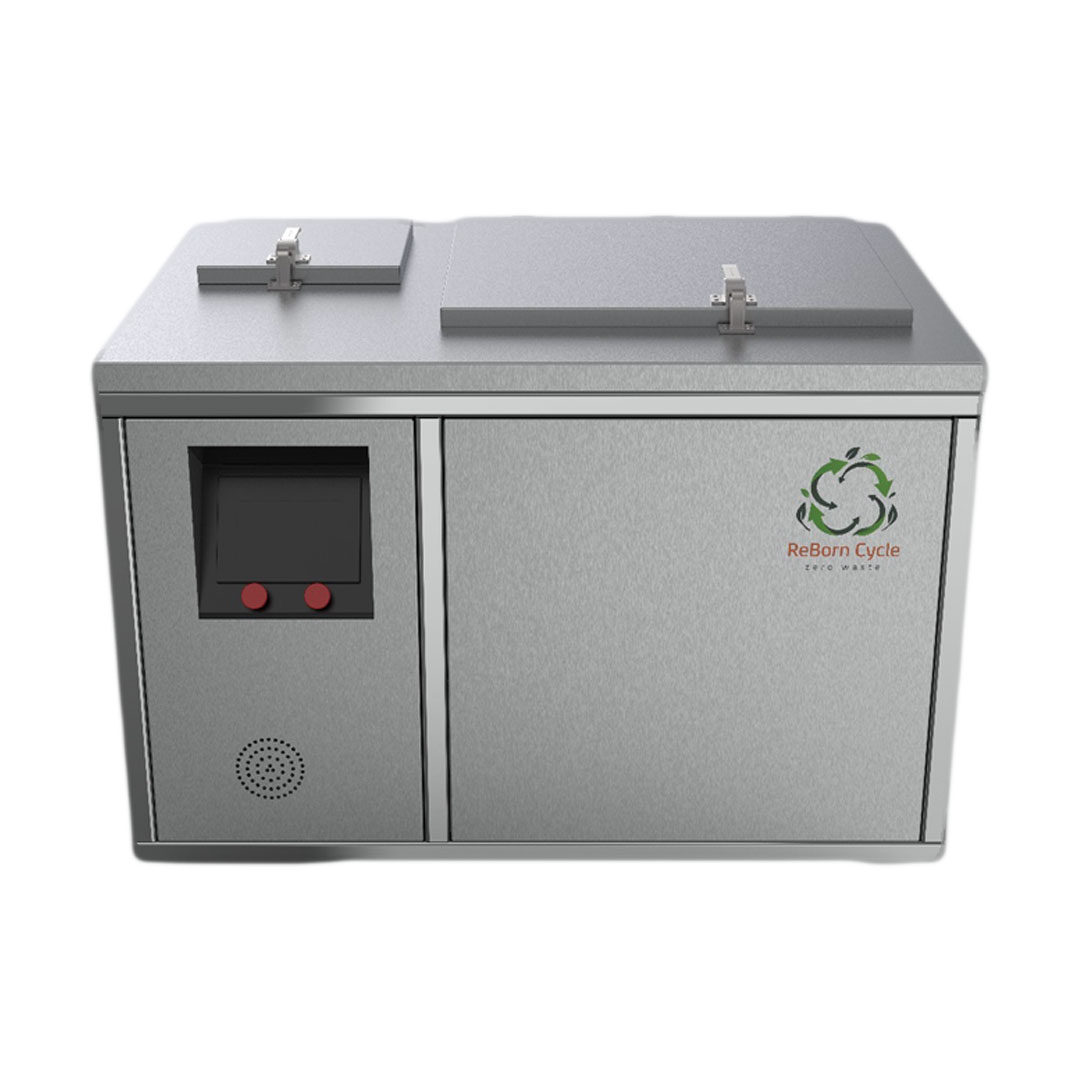
For example, the RBN-C100 Compost Machine can suit a hospital, shopping mall or mid-size facility; the RBN-C500 Compost Machine fits a central kitchen, municipality or corporate campus; and the RBN-C1000 Compost Machine is considered for large hospitality and industrial sites. If your waste volume falls between two models, discuss the next size up or a two-machine setup for redundancy.
What Matters in Materials, Automation and Odor Control?
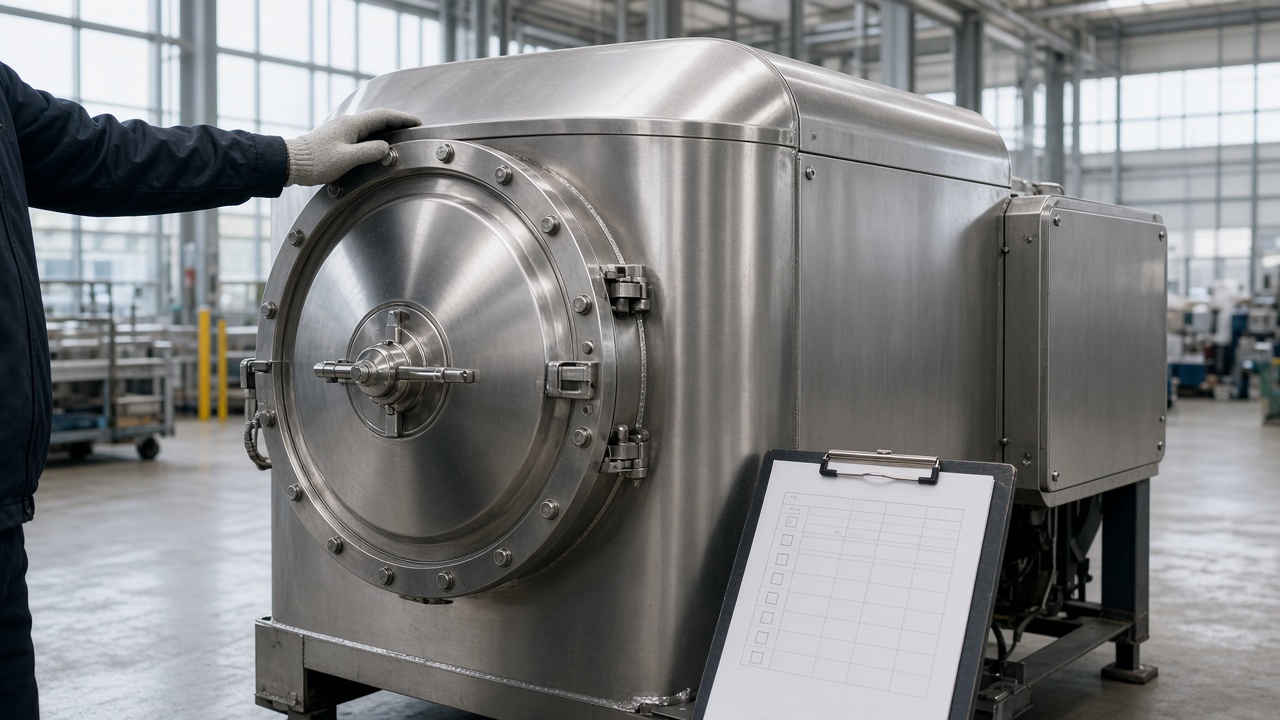
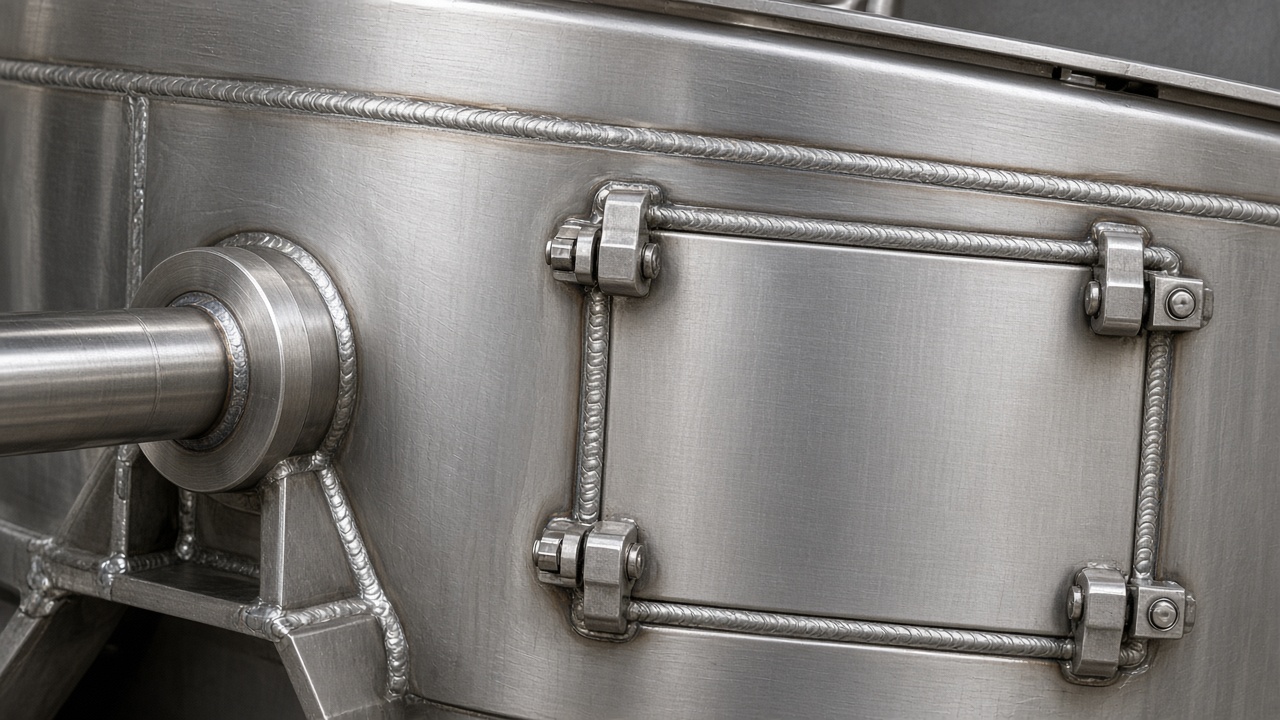
Food waste is wet, salty and acidic, so the use of stainless steel and the quality of welding on the vessel, mixer and lids that touch the waste directly determine service life. Ask suppliers to state in writing which parts the material grade applies to.
On the process side, the machine must control temperature, aeration and mixing. Reaching 55–65 °C in the thermophilic phase and keeping moisture at 50–60% are decisive for both hygiene and odor. A control panel that shows temperature and cycle time, raises alarms and keeps records makes the operator's job much easier.
For odor control, consider the closed vessel, exhaust air handling and ventilation of the installation room together. Compared with open systems, enclosed machines reduce odor and hygiene risk, but that advantage is lost without correct feeding.
Tip: When comparing quotes, look beyond capacity and check line by line which parameters are controlled and what alarm and logging functions are included.
Installation Space, Energy and Total Cost
The surroundings matter as much as the machine. Before installation, clarify the following:
- Space: machine footprint plus access clearance for feeding, discharge and maintenance.
- Utilities: a suitable power connection, floor load capacity, cleaning water and drainage.
- Ventilation: exhaust air routed outdoors in enclosed rooms.
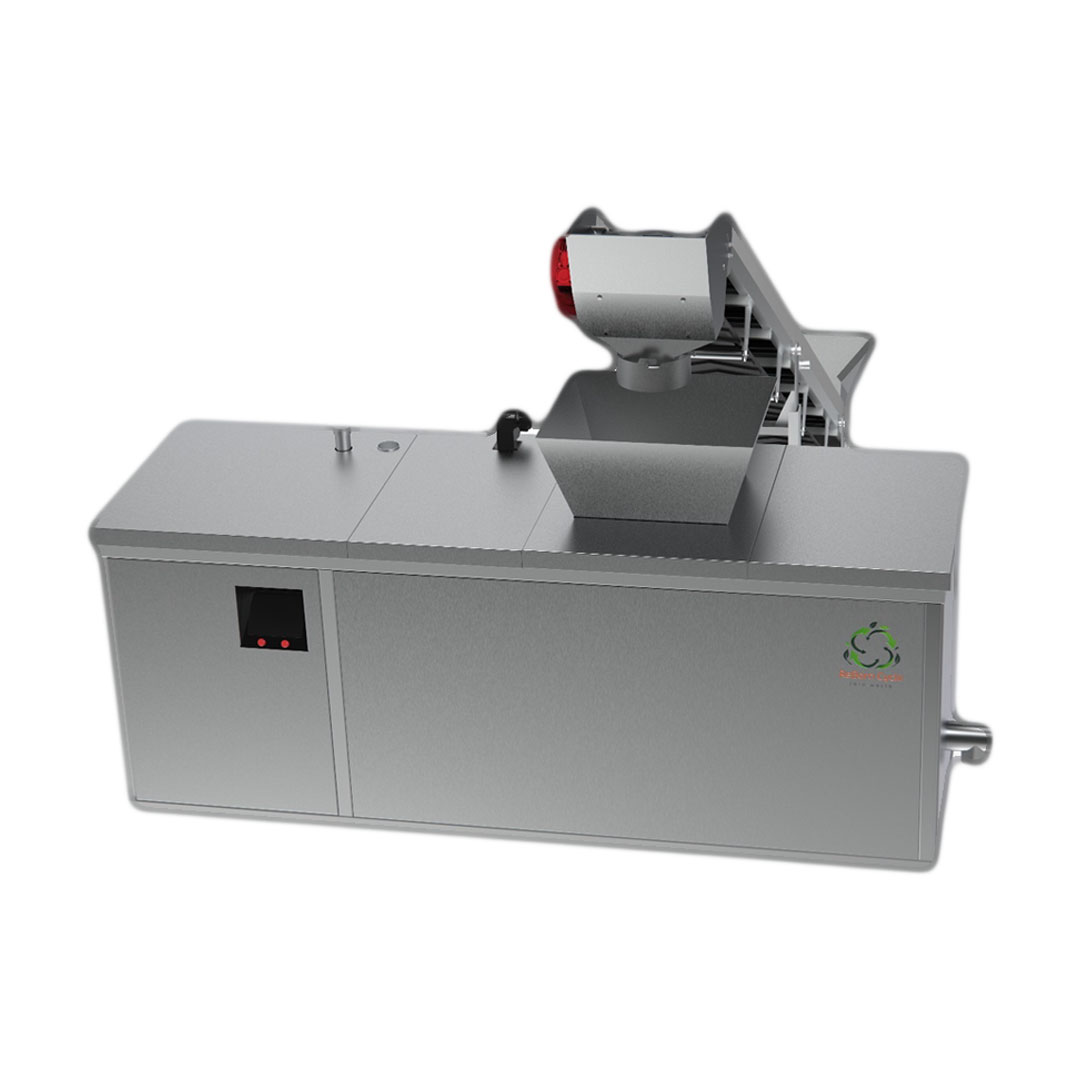
- Peripheral equipment: shredder, conveyor or drying unit for larger lines.
- Curing area: space to rest the machine output for a few weeks.
Base the decision on total cost of ownership, not the purchase price: energy consumption, carbon-rich bulking material, operator time, maintenance, spare parts and reduced waste hauling costs all belong in the calculation. We break down the cost drivers in what determines compost machine price. If you plan to apply the output to soil, also check the quality criteria in Turkey's Compost Communique and the current regulations in your country.
Which Questions Should You Ask the Supplier?
Asking every supplier the same questions in the same way makes quotes genuinely comparable.
| Topic | Question to ask | Why it matters |
|---|---|---|
| Waste data | Which measured data was the capacity recommendation based on? | Guesswork leads to undersized or idle capacity |
| Materials | Which stainless steel is used on waste-contact surfaces? | Corrosion resistance and hygiene |
| Process control | How are temperature, aeration and mixing controlled, and are records kept? | Stable output and traceability |
| Output | Is the output pre-compost or mature compost, and is curing needed? | Realistic expectations and space planning |
| Odor | How are exhaust air and odor managed? | Comfort for staff and neighbors |
| Service | How are installation, operator training, spare parts and service provided? | Downtime and operational continuity |
| References | Can we see an installation running with a similar waste profile? | Seeing real-world performance on site |
Warning: Be cautious about promises such as "mature compost in 24 hours." The in-machine cycle produces a stabilized, hygienized pre-compost; for fully mature compost, a curing period of a few weeks is recommended depending on the use.
How the Buying Process Works with ReBorn Cycle
ReBorn Cycle builds enclosed compost machines from 25 to 20,000 kg/day, plus line equipment such as shredders, conveyors, tunnel kilns and pellet machines, with in-house engineering in Turkey. We run the buying process in these steps:
- Site survey We inspect the site, waste sources, current collection routine and installation area in person.
- Waste profile We establish daily quantity, composition and peak days through weighing and observation.
- Capacity and line proposal We recommend the machine model and, if needed, peripherals such as a shredder or conveyor.
- Technical quotation We document materials, control features, space and utility requirements in writing.
- Installation and commissioning We install the machine and carry out the first feedings together with your team.
- Operator training We teach correct feeding, moisture control, reading alarms and safe shutdown hands-on.
- After-sales service We schedule periodic maintenance and spare parts support.
For public or corporate procurement, our guide on how to write a compost machine technical specification helps you translate these steps into tender language.
Frequently asked questions
How do you calculate compost machine capacity?
Compost machine capacity is calculated from the measured daily quantity of organic waste. Weigh for at least 1–2 weeks, identify the average and the peak day, then add seasonal variation and growth plans. The chosen model must also handle the peak day; for in-between volumes, consider the next size up or a two-machine setup.
Why is stainless steel important in a compost machine?
Stainless steel matters because food waste is wet, salty and acidic and quickly corrodes ordinary steel. Using stainless steel for the vessel, mixer and lids that touch the waste extends service life and makes cleaning and hygiene easier. Ask for written confirmation of which parts are stainless in the quotation.
How much space does a compost machine need?
The space required depends on machine capacity and line layout. Beyond the machine footprint, plan access clearance for feeding, discharge and maintenance, room for a shredder or conveyor if needed, and an area for curing the output. Exact dimensions are set during the site survey together with power, drainage and ventilation.
Can compost machine output be used right away?
Machine output is a stabilized, hygienized pre-compost material and in most applications should be cured before use. Depending on the intended use, a curing period of a few weeks is recommended. Mature compost is dark and crumbly, smells earthy and stays close to ambient temperature.
Is a site survey necessary before buying a compost machine?
A site survey is not a legal requirement, but it is the most reliable route to the right choice. An on-site visit clarifies waste quantity and composition, installation space, power and drainage, and feeding and discharge logistics. Capacity is then based on data rather than guesswork, and unexpected extra costs are reduced.
What determines the price of a compost machine?
Compost machine price is driven mainly by capacity, followed by material quality, level of automation and control, peripherals such as shredders or conveyors, installation conditions and the scope of service. For a fair comparison, look at total cost, including energy, maintenance, operator time and reduced waste hauling, alongside the purchase price.
Let us size the right capacity from your waste data together. Request a site survey and our team will assess your site and prepare a machine and line recommendation that fits.