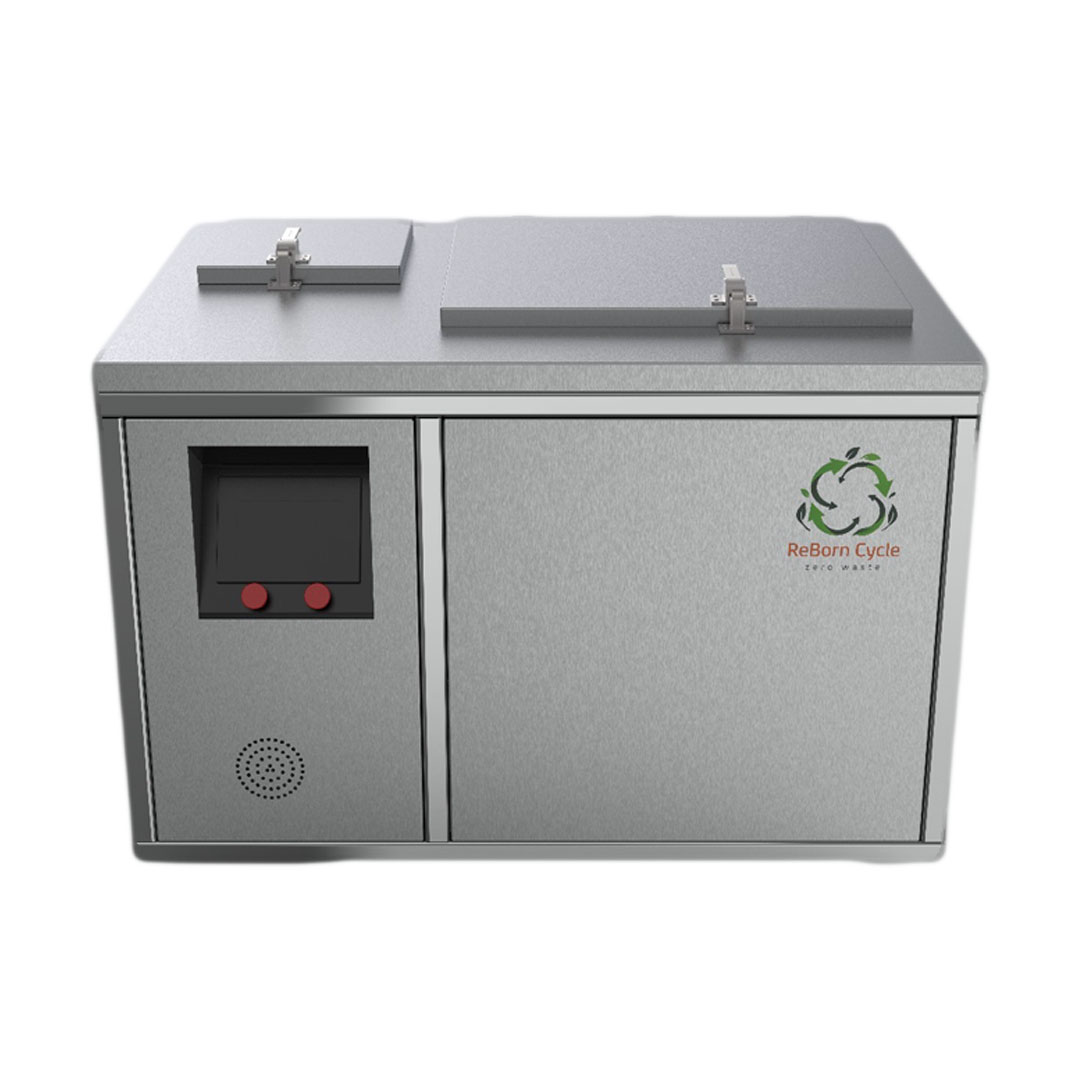



For hotels, choose a compost machine after measuring daily organic waste in kg/day, add 20–30% headroom on the peak day, then confirm back-of-house space and hygiene layout.
To choose a compost machine for a hotel, first measure daily organic waste in kg/day, using the busiest peak day in season and adding 20–30% capacity margin. Then match the moisture profile of plate and prep waste to RBN-C100, RBN-C250 or RBN-C500 class units and confirm space, drainage and ventilation behind the kitchen.
Procurement teams often start with room count; the correct order is kilograms from the kitchen. This guide explains how to measure kg/day, how plate and prep waste shift capacity, and whether there is space behind the house. For daily volumes see how much organic waste a hotel produces per day.
What Is the First Step When Choosing a Hotel Compost Machine?
The sequence is clear: measure first, model second. Before comparing brands, weigh separately collected organic waste for at least 7–14 days, covering weekdays, weekends and event days. Machine capacity is sized to your measured peak day, not the monthly average.
Use separate bins for prep, buffet, plate and staff-canteen streams; record gross kg each night. If you log occupancy and guest-nights for the same dates, you also get a kg per guest-night factor. That dataset drives both machine sizing and ESG or zero-waste reporting.
We typically add 20–30% headroom on the measured peak to cover season spikes, menu changes or a new outlet opening. Too little margin overloads the unit; oversizing raises energy and floor space cost. The full logic is in our article on industrial compost machine capacity selection.
Tip: If a wedding or congress falls inside the weighing period, tag that day separately; peaks usually come from those events.
How Do Plate and Prep Waste Affect Capacity?
Hotel kitchens generate two main organic streams. Prep waste (peelings, trim, coffee grounds) is usually drier and bulky; plate and buffet leftovers are wetter and fattier. The same kilogram needs different in-vessel time and carbon support.
City hotels with à la carte service often show a high prep share; all-inclusive resorts are dominated by buffet and plate waste. Wet-heavy days can stretch the cycle to 48–72 hours and change daily feeding rhythm. How to separate streams on the line is covered in organic waste management in hotel kitchens.
Do not size on total kg alone; note the share of wet days and the mix ratio. On site surveys we often see plate-heavy kitchens needing a steady dry carbon buffer (sawdust, chipped wood). Daily moisture and temperature logs help keep the process stable on fatty plate days.
Which Capacity Do You Need by Room Count?
Room count alone is not enough, yet room-band tables help during an initial call. The table below is a planning assumption: 80% occupancy, two guests per room, 0.6 kg per guest-night and 25% capacity margin. Final model choice requires weighed kg/day.
| Room band | Example peak kg/day | Example model family |
|---|---|---|
| 80–120 rooms | 75–130 kg/day | RBN-C100 Compost Machine |
| 150–250 rooms | 150–280 kg/day | RBN-C250 Compost Machine |
| 300–450 rooms | 300–500 kg/day | RBN-C500 Compost Machine |
| 500+ rooms / multi-outlet | Above 500 kg/day | Multiple units or higher capacity |

If a 120-room city hotel peaks at 95 kg/day on the scales, the C100 class fits. A 280-room resort at 420 kg/day sits at the C250 limit; with margin, C500 is safer. Thresholds for mid-scale hotels are summarised in which businesses suit the RBN-C250.
Use the online capacity selector for a first estimate, then validate with weighing data.
Is There Space Behind the Hotel Kitchen?
The most common delay in hotel projects is not capacity but physical layout. Units usually sit in back-of-house corridors, loading bays or plant rooms, away from guest routes. Door width, floor load, electrical supply and drainage must be checked together.
Waste carts need a straight path to the machine; tight corners or steps slow down sorting. Vent discharge and service clearance should be fixed early in the project; survey photos and dimensions confirm feasibility.
Noise and odour must not reach guest areas. A closed, heated, aerated industrial compost machine smells far less than an open bin, yet keep it away from bedroom wings and spa intakes. Balanced moisture and regular feeding keep odour risk low in daily operation.
Warning: Measure lift and service lift openings before delivery; some units need a wide single-piece access route.
How Long From Survey to Commissioning?
Hotel timelines usually depend on weighing and internal approvals. The bar chart shows example calendar shares for a mid-scale hotel project, not fixed day counts; permits and production schedules will shift the real timeline.
Survey data locks model and placement. The checklist in what data is collected at a site survey helps procurement and kitchen teams prepare. After startup, log feeding, filter checks and weekly cleaning in the operations manual for the first month.
- Finish weighing Sign off peak kg/day and margin in writing.
- Run the survey Measure space, power and waste routes.
- Order and install Deliver the unit and commission it.
- Train and record Start shift ownership and weight logs.
How Does ReBorn Cycle Commission Hotel Compost Machines?
On hotel projects we first map kitchen flow and your kg/day profile, then propose domestically built closed-vessel machines with controlled heating, aeration and mixing. With balanced moisture, kitchen waste typically becomes stabilised pre-compost in 24–48 hours; many uses still need a few weeks of curing afterward. Installation planning also checks electrical load, corridor width and night-shift access.
Our field team handles installation, power and drainage connections and the first feeding test. Hygiene and process training is delivered under our training service. Daily kg logs make on-site treatment easier to trace in sustainability reports.
For definitive capacity, layout drawings and feeding schedules, our consulting team prepares technical recommendations from your weighing data and aligns model choice with your procurement file.
Frequently asked questions
What should a hotel measure before buying a compost machine?
Start with daily organic waste in kg/day, measured for at least 7–14 days including seasonal peak. Log prep, buffet, plate and staff-canteen streams separately. Add 20–30% margin on the peak day for nominal capacity; room count is only a first guess.
Which compost machine suits a 100-room hotel?
It depends on concept and peak kg/day. Under planning assumptions, a 75–130 kg/day peak may fit RBN-C100; if weighing exceeds about 110 kg/day, RBN-C250 is safer. Menu and buffet style decide the final choice.
Do all-inclusive and city hotels need the same machine?
No. All-inclusive resorts generate wetter buffet and plate waste, so kg/day and feeding discipline differ at the same room count. City hotels may show more prep waste and need a different carbon buffer. Do not copy one table across both concepts.
Will a hotel compost machine create guest odours?
A closed, heated, regularly mixed industrial unit smells far less than an open bin. Still place it in service areas away from bedrooms and spa air intakes. Over-wet feeding and delayed discharge raise odour risk; write moisture control into SOPs.
Which permits apply to hotel compost machine installation?
Rules vary by region, building class and operating licence. Plant rooms or rear yards may trigger structural or fire-access checks. Many facility types must separately collect biodegradable waste under national zero-waste rules; confirm current local requirements before purchase.
How should hotel staff be trained on the compost machine?
At least one shift lead should master weighing, sorting, feeding and cleaning. Training must stress keeping plastics, glass and metal out of the vessel and safe access around hot surfaces. A logbook and weekly maintenance checks keep the line stable.
Hotel Compost Machine Selection Starts with Weighing
Choosing a compost machine for a hotel starts with measured kg/day from the kitchen, not room inventory alone. Add margin on the peak day, narrow the model using plate and prep moisture, and confirm space, drainage and ventilation during survey.
C100, C250 and C500 families cover most hotel scales; multi-outlet sites above 500 kg/day may need multiple units or higher capacity. Tables and charts here are planning assumptions only; kitchen weighing is mandatory before order.
To align weighing and layout, book a free site survey or run the capacity selector for a quick estimate. For technical sizing and project files, contact our consulting team.