Turkey's Zero Waste Regulation requires organic waste to be separated at source, stored temporarily under controlled conditions, recorded by weight and sent to an appropriate recovery route.
Turkey's Zero Waste Regulation requires organic (biodegradable) waste to be collected separately at source, stored temporarily in suitable containers, recorded by quantity and delivered to the municipality, a permitted facility or another appropriate recovery route. On-site treatment such as composting is a practical way to meet these duties; always check the current legal text for details.
Facility managers of hotels, hospitals, shopping malls, schools and factories in Turkey often ask what exactly a zero waste audit expects for organic waste. Kitchen scraps and garden waste are usually the heaviest waste stream on site, so understanding what counts as organic waste is half the job. This article explains, in general terms, what the regulation requires for organic waste, how sites meet those requirements in practice and where on-site composting fits in.
What Is the Zero Waste Regulation and Who Does It Cover?
Turkey's Zero Waste Regulation (Sifir Atik Yonetmeligi) was published in the Official Gazette (Resmî Gazete) on July 12, 2019, issue No. 30829. Its purpose is to make organizations set up a zero waste management system that prevents waste, separates it at source and directs it to recovery.
The regulation sets a framework that covers public institutions as well as many types of buildings and campuses, such as shopping malls, hotels, hospitals, educational institutions, office buildings and production sites. Which facility type is obliged, on what timeline and in how much detail is defined in the current consolidated text, including later amendments.
For organic waste, the logic is simple: biodegradable waste must not go into the same bin as packaging or mixed waste. It should be collected as a clean stream and recovered. Contaminated organic waste cannot be recycled and generates methane once it reaches a landfill.
Warning: The regulation and related rules can change over time. Always verify the obligations and timeline that apply to your site in the current text published in the Resmî Gazete and on mevzuat.gov.tr.
What Are the Core Requirements for Organic Waste?
Without relying on specific article numbers, the regulation's expectations for organic waste can be summarized under four headings. In our site surveys, these are the four points auditors ask about most often.
| Requirement | What it means in practice | Evidence kept |
|---|---|---|
| Separation at source | Separate, labeled bins for organic waste in kitchens, cafeterias and gardens | Equipment list, photos, layout plan |
| Temporary storage | An enclosed, washable area with pest and odor control | Storage area description, cleaning plan |
| Records and reporting | Regular weighing and reporting of waste quantities | Weighing sheets, digital records |
| Appropriate destination | Delivery to the municipality or a permitted facility, or on-site treatment | Delivery documents, treatment logs |
On top of these, organizations are expected to appoint the people who run the system and to inform staff. If separate bins are installed but employees are not trained, the bins quickly fill with mixed waste and the system exists only on paper.
How Should Biodegradable Waste Be Separated and Stored?
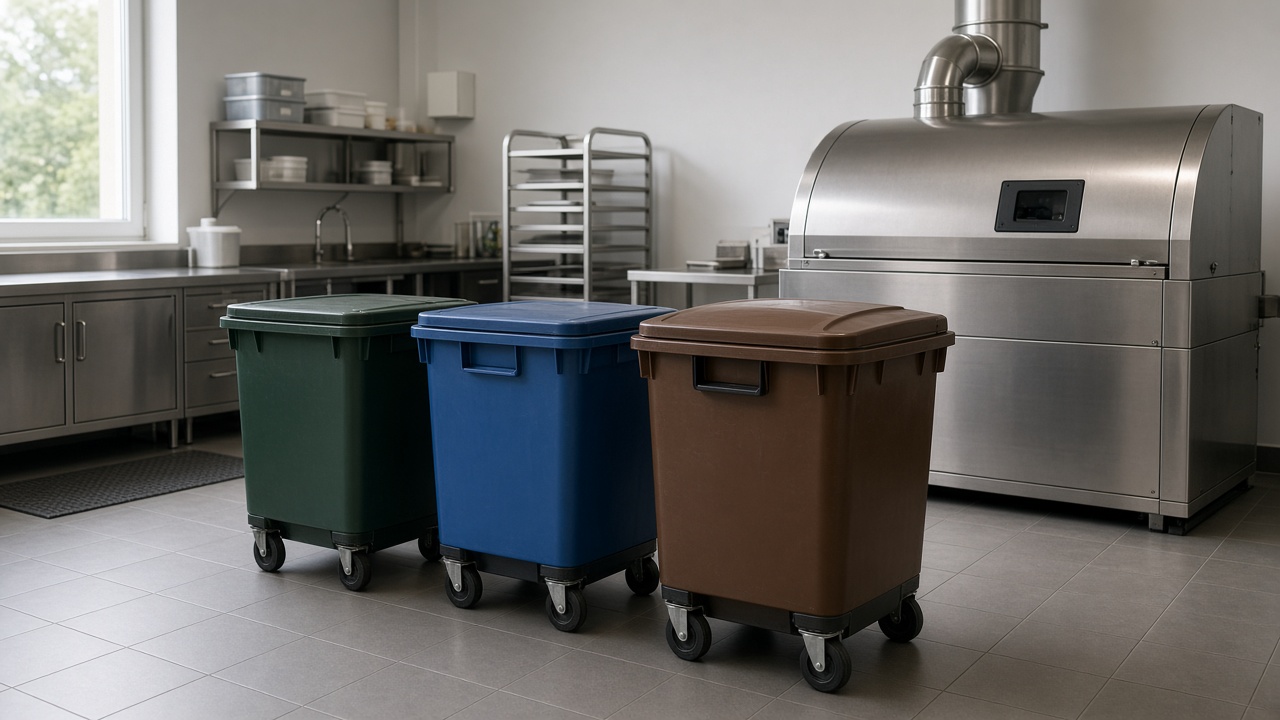
Separate collection starts where the waste is generated. The most efficient setup is to capture organic waste directly in dedicated bins at prep, dishwashing and serving stations. Zero waste guidance in Turkey generally recommends brown containers for biodegradable waste; confirm color and labeling rules in the current regulation.
- Map the waste points Identify where organic waste arises in kitchens, cafeterias, canteens and gardens.
- Place separate, labeled bins Use lidded, easy-to-clean containers clearly marked for organic waste.
- Remove contaminants Packaging, plastic gloves, metal and glass must stay out of the organic stream.
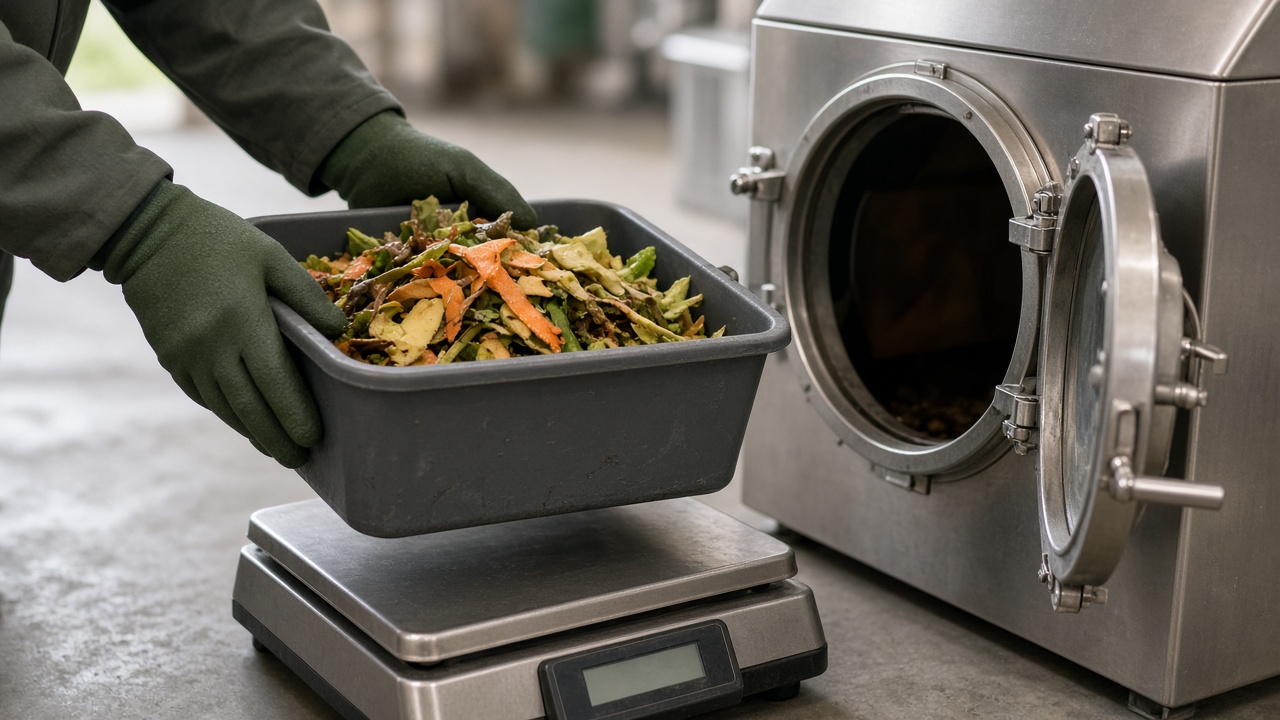
- Weigh and record Weigh each bin before it goes to temporary storage and log it.
- Keep storage time short Hand over or treat organic waste before odor and pests develop.
The temporary storage area should be enclosed, with washable floors and walls and a way to control leachate. In warm weather, food waste can start to smell within hours, so a treatment routine that shortens holding time is also a clear advantage during audits.
How Are Organic Waste Records and Reports Kept?
In a zero waste system, records are the proof of compliance. Organizations are expected to measure organic waste quantities regularly, report them to the online zero waste information system and keep the supporting documents. Check the latest announcements on sifiratik.gov.tr for reporting frequency and format.
In practice, the most reliable method is weighing every bin or every delivery. Volume estimates are weak evidence in an audit, because a bucket of vegetable peels and a bucket of cooked leftovers weigh very differently. For most sites, a digital scale and a simple spreadsheet are enough to build an organic waste weighing and recording system.
- Date, shift and source (kitchen, cafeteria, garden)
- Net weight (kg) and waste type
- Delivery destination or on-site treatment log
- Amount of compost output and where it is used, if applicable
The same data also feeds organic waste indicators in hotel ESG reports and food waste reduction targets.
How Do Zero Waste Certificate Levels Affect Organic Waste?
The Zero Waste Certificate is issued after an organization that has set up its management system applies and is assessed. The certificate has a tiered structure, starting with a basic level and extending to more advanced levels. At higher levels, it is usually not enough to show that separate collection exists; the share of recovered waste, waste reduction efforts and continuity also matter.
Because organic waste is one of the largest fractions at most facilities, it directly affects the level a site can reach. A facility that consistently separates and recovers its organic stream can noticeably improve its recovery performance.
Level names, scoring criteria and application steps may be updated, so check the exact criteria on sifiratik.gov.tr and in the current regulation. To plan the whole certification process, our zero waste roadmap for businesses is a good starting point.
How Does On-Site Composting Make Compliance Easier?
Handing organic waste to the municipality is one option, but collection frequency, storage time and odor are a challenge for many sites. On-site composting treats waste where it is generated and reduces both holding time and transport. We cover this in detail in our article on on-site treatment for the zero waste certificate.
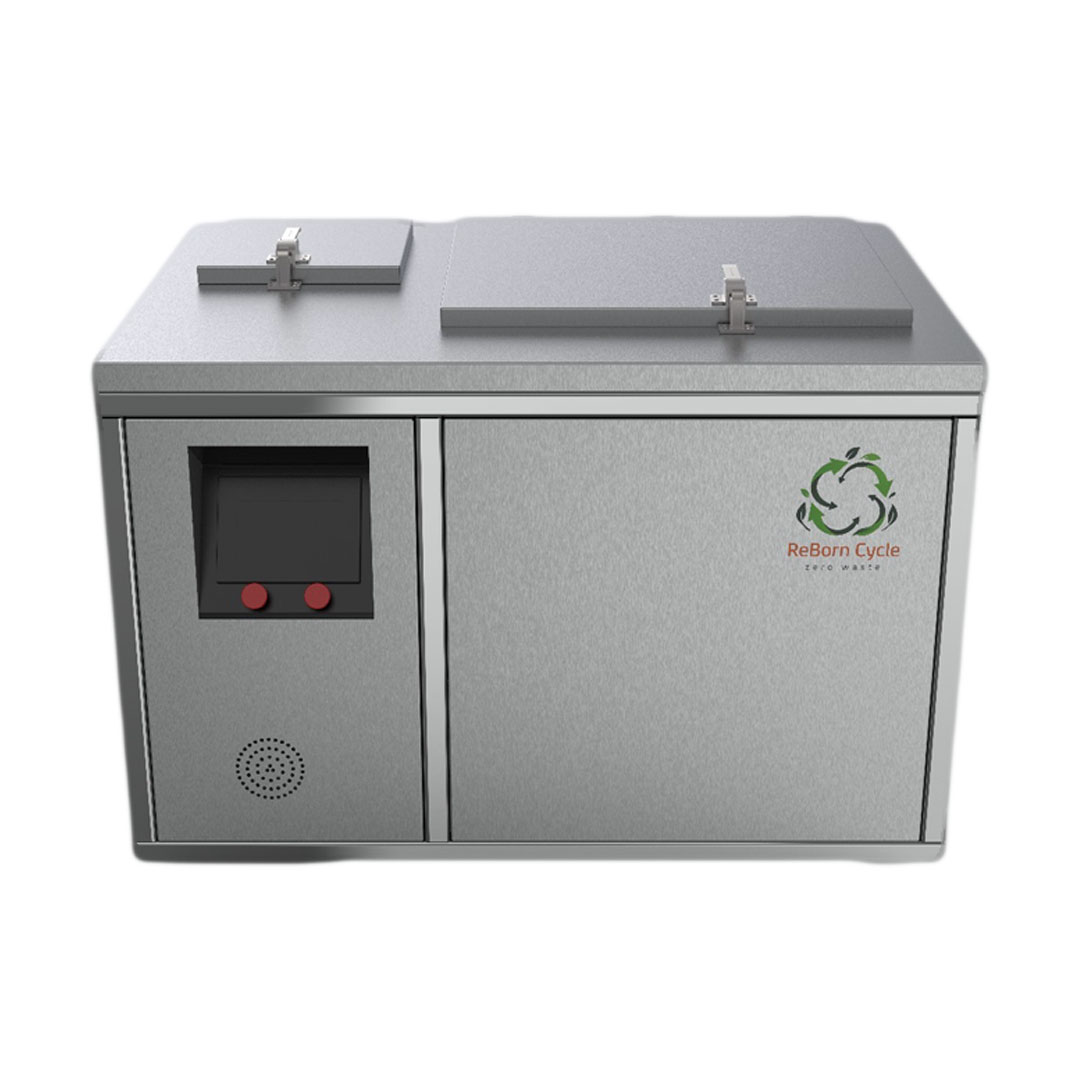
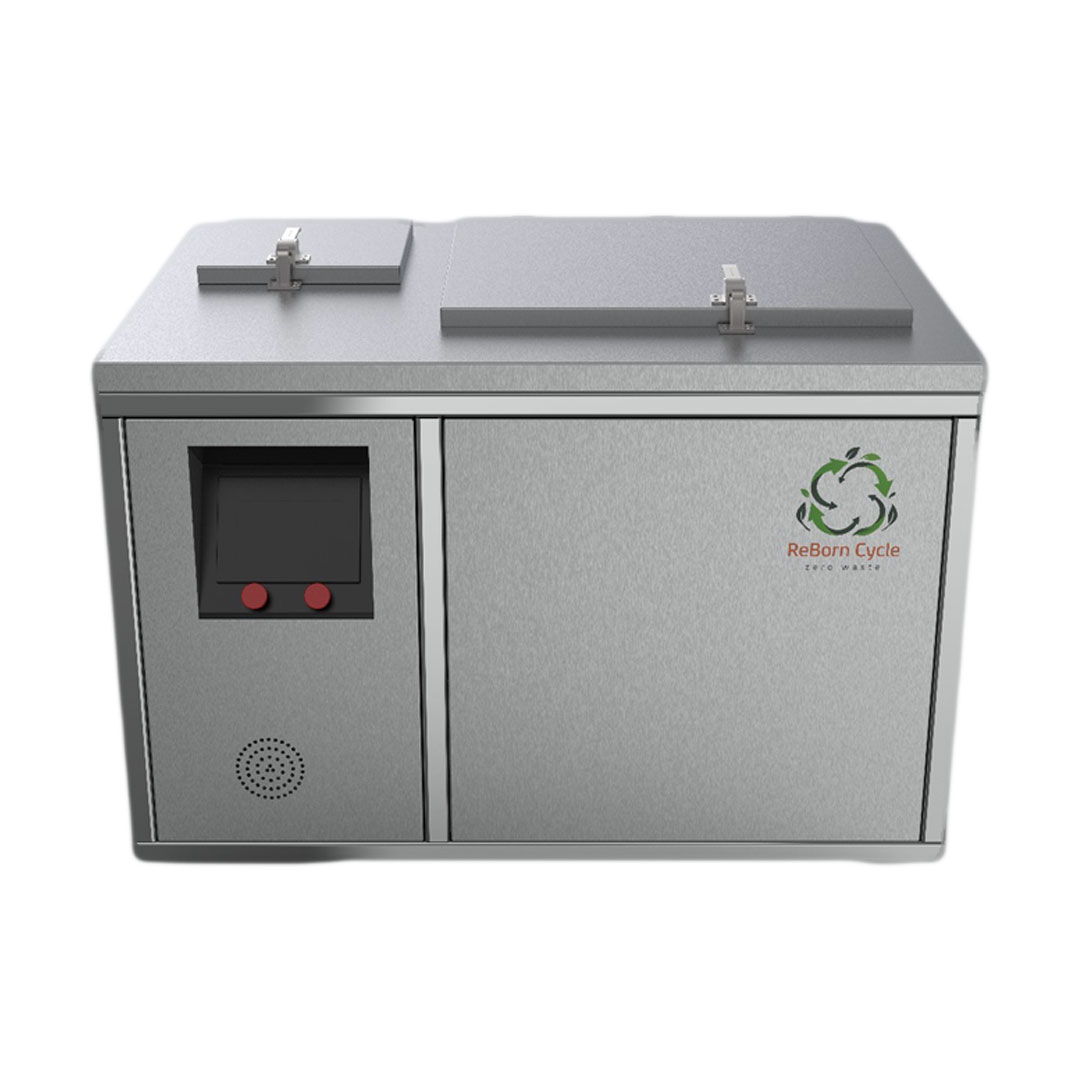
ReBorn Cycle compost machines are closed in-vessel systems with controlled temperature, aeration and mixing. For kitchen waste with balanced moisture, the in-machine cycle is typically 24–48 hours; with fatty or irregular feeding it can reach 48–72 hours or more. Capacity examples:
- RBN-C100 Compost Machine – 100 kg/day, for hospitals, malls and mid-size facilities
- RBN-C250 Compost Machine – 250 kg/day, for large hotels, production plants and campuses
The machine output is a stabilized, hygienized pre-compost or compost material; a curing period of a few weeks is recommended depending on the use. If you plan to sell the compost or use it off site, the criteria of Turkey's Compost Communique (Kompost Tebligi) should also be reviewed.
Tip: Weighing every batch before it goes into the machine covers both the record-keeping duty and proof of treatment in a single step.
Frequently asked questions
Does the Zero Waste Regulation make separate collection of organic waste mandatory?
Yes, for facilities within its scope, separating biodegradable waste from other waste is a core element of the zero waste system. Which facility types are obliged and in what detail is defined in the current text, so check your site's status in the Resmî Gazete and on mevzuat.gov.tr.
What color bin is used for organic waste in Turkey?
Zero waste practice in Turkey generally uses brown containers for biodegradable waste. Because color and labeling rules can be updated, confirm that your equipment matches the current regulation and clearly print on each bin which kinds of waste may go into it.
How should organic waste records be kept?
The most reliable method is to weigh every bin or delivery and log the date, source and net weight. These records are the basis for reporting to the zero waste information system, for audits and for sustainability reports. Prefer weighing over volume estimates, because the density of organic waste varies widely.
Is on-site composting enough to get a Zero Waste Certificate?
On-site composting is a strong way to recover the organic stream, but it is not sufficient on its own. Paper, plastic, glass, metal and hazardous waste must also be collected separately, the system must be documented with records and staff must be trained. Check the criteria on sifiratik.gov.tr.
How can the output of a compost machine be used?
The machine output is a stabilized, hygienized pre-compost material. After a curing period of a few weeks, it can be used for landscaping, gardens or soil improvement. If you plan to sell the product or use it off site, check the quality criteria and permit requirements of Turkey's Compost Communique in advance.
Where can I find the current text of the regulation?
The regulation was first published in the Official Gazette No. 30829 dated July 12, 2019; the consolidated current text, including amendments, is available on mevzuat.gov.tr. For implementation guides, announcements and certificate applications, follow the official zero waste portal sifiratik.gov.tr.
To find the on-site treatment solution that fits your organic waste volume, request a free site survey and capacity recommendation.