

Whether a compost machine needs a permit depends on who owns the waste and whether you accept waste from others. Confirm the current rule with the provincial environment directorate.
A compost machine needs a permit according to the waste owner and any third-party intake, not the room it stands in. Own kitchen waste at a hotel, hospital or factory stays inside existing duties. That does not mean no permit is required. Others' waste is a facility question under the Compost Communiqué. Confirm the current text with the provincial directorate.
A hotel machine on 100 kg/day of kitchen waste is not the same file as a yard taking district waste. Both cases ask what the waste is, who owns it and where the output goes. This article separates the on-site machine from a facility file and lists what to prepare. Separate collection is covered in the Zero Waste Regulation and organic waste.
Does a Compost Machine Need a Different Permit File?
A compost machine permit is not settled by the plug. Are you treating your own waste in your own building, or opening a facility that takes someone else's? A closed machine in a hotel, hospital or factory kitchen is usually an operational choice. A line taking waste from a district, a wholesale market or several firms is a compost facility.
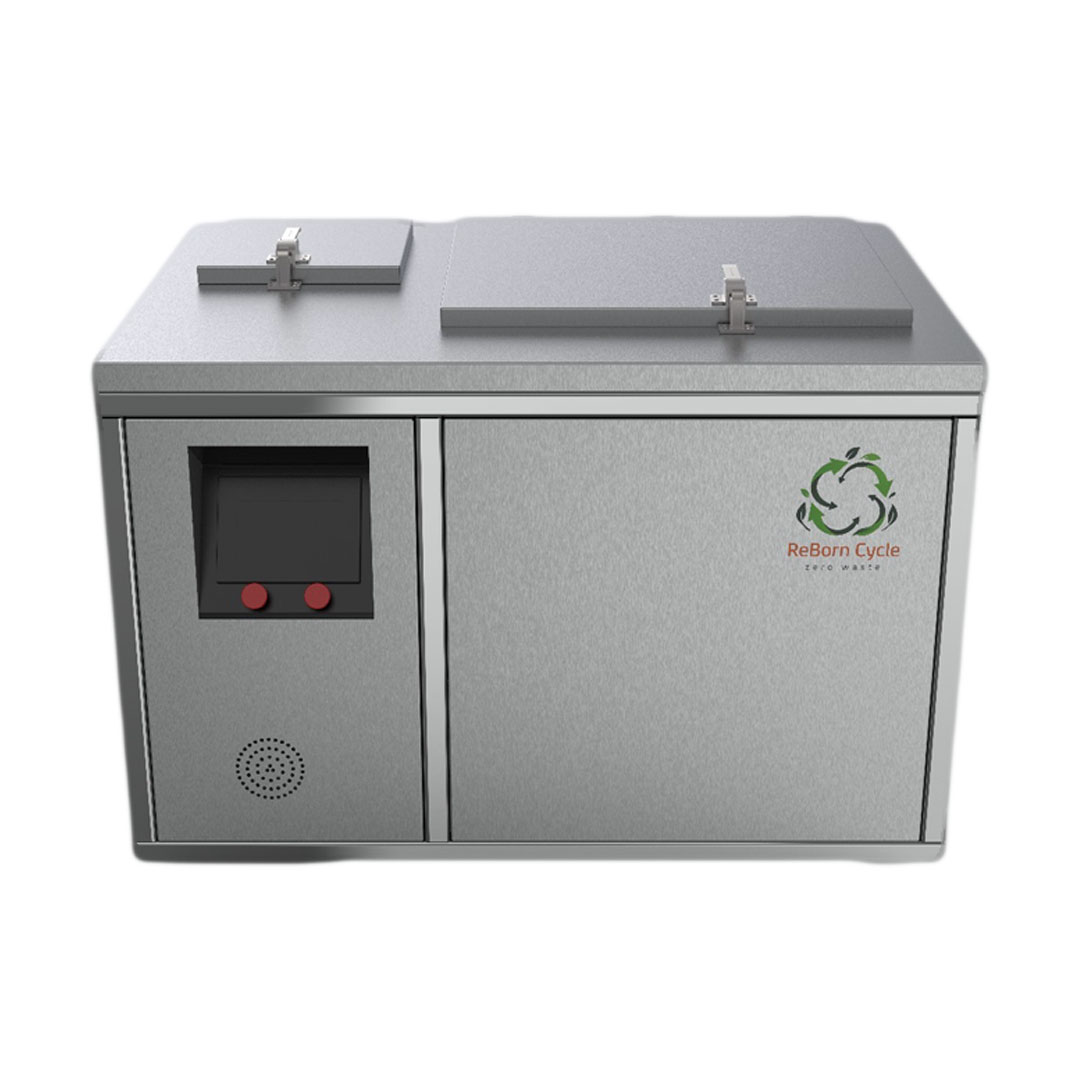
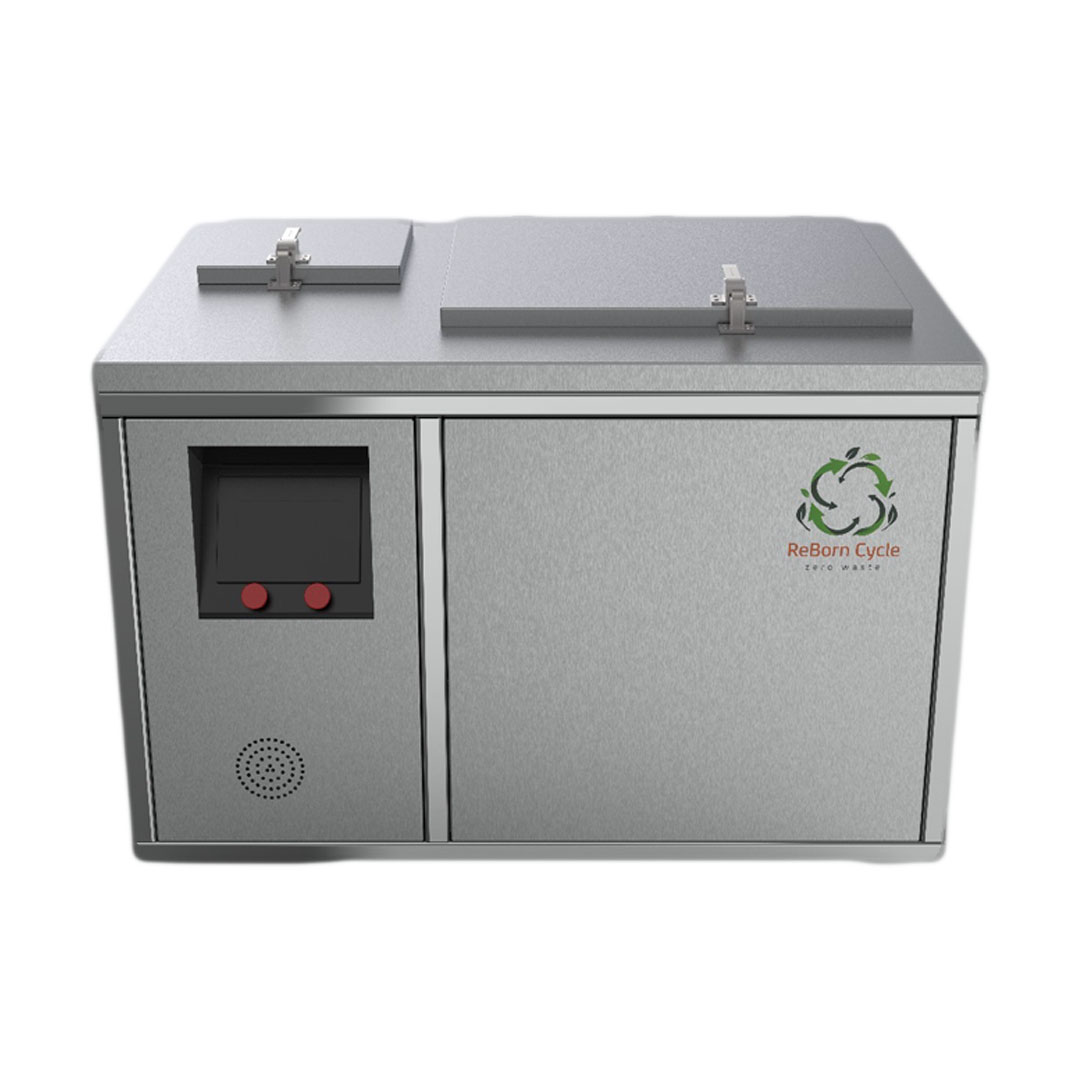
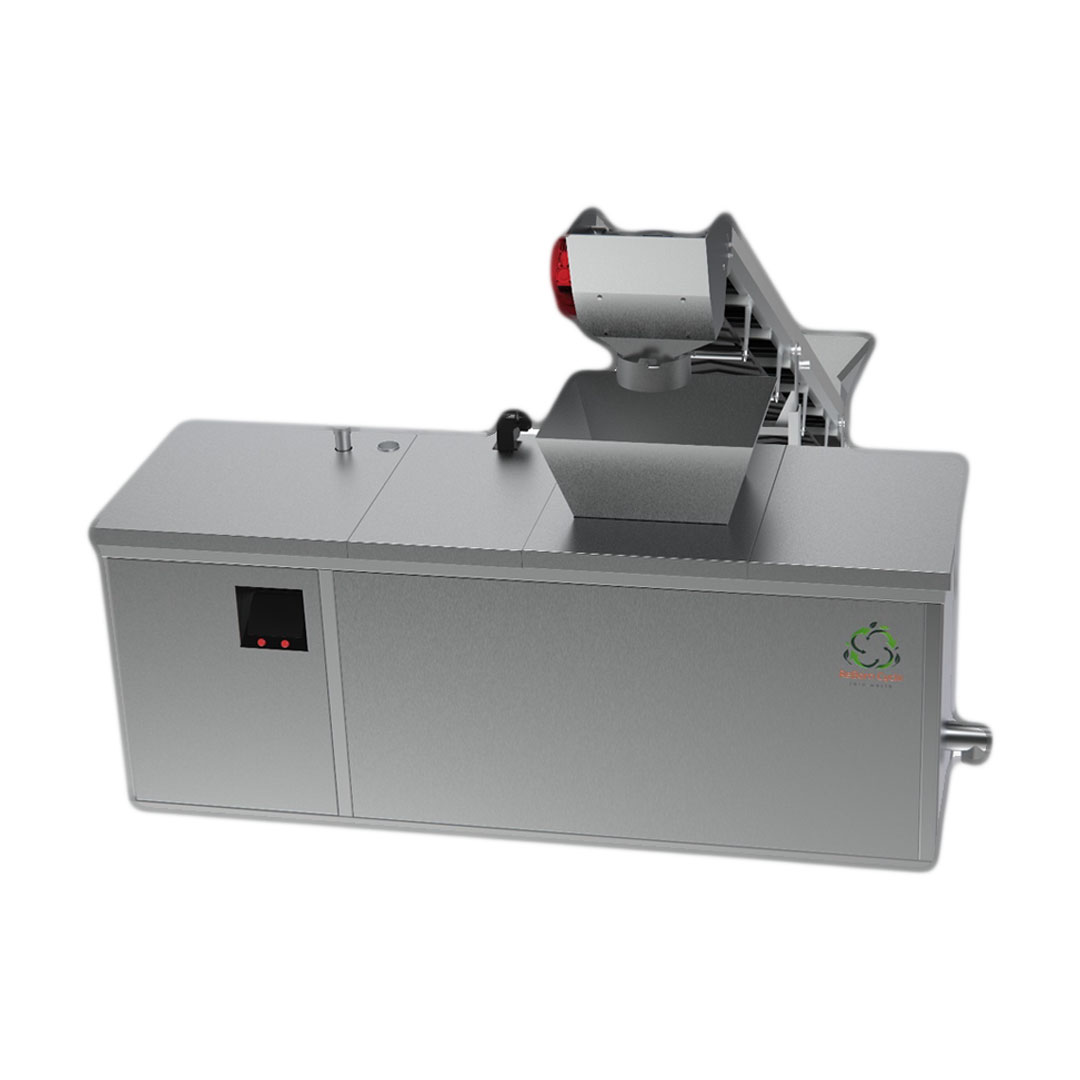
The split follows the waste holder, not the brochure. A RBN-C100 Compost Machine at 100 kg/day and a RBN-C500 Compost Machine at 500 kg/day can stay inside one kitchen. Collecting other addresses leaves that boundary. If a caterer produces the waste in the hotel, the hotel may not be the holder. Note the contract party.
On surveys we often hear that an indoor machine closes the file. It does not. The installation keeps the building's environmental duties and zero-waste arrangements. The provincial directorate of environment, urbanisation and climate change reads the file. Animal by-products also go to the Ministry of Agriculture and Forestry.
Which Duties Remain When You Treat Only Your Own Waste?
If you treat only your own kitchen, canteen or process residue, the file is usually read as waste management by an existing business, not a new facility. That reading is not an exemption. Environmental duties, the workplace licence, odour and the drain remain.
The Zero Waste Regulation (2019) requires separate collection of biodegradable waste at many sites. A machine is one way to meet that duty. Do not infer that a permit falls away below a given tonnage. Confirm your class and the current text with the directorate.

Output changes the file. In a closed, heated, aerated machine, kitchen waste typically cycles in 24–48 hours and leaves as stabilised pre-compost. Full maturity needs a few weeks of curing. Use on your own landscape is not a sale. A sale can bring the product criteria of the Compost Communiqué (2015) into the file.
Tip: Record the source and that no third party delivered. That page is what you take to the directorate.
When Does Accepting Others' Waste Create a Facility?
Taking a neighbour's or a market's waste differs from treating your own. The holder changes, transport starts and an acceptance rule appears. The sequence is in how a compost facility is built.
The Compost Communiqué (2015) sets facility conditions and product criteria. The directorate says whether a permit and licence are required. Do not invent a threshold. Meat, bone or dairy residue also goes to the Ministry of Agriculture and Forestry.
| Scenario | What to check | What the file holds |
|---|---|---|
| Hotel, hospital or factory, own waste | Existing duties, odour, drain | Daily kg and layout |
| Output is sold | Product criteria may apply | Where it is used |
| Another firm's waste | Facility status and permit route | Holder, transport, acceptance |
| Animal by-products | Agriculture ministry and directorate | Description of the stream |
Warning: Nothing here says a permit is never required. Do not take third-party waste before a written view.
Other addresses are where a 2,500 kg/day RBN-C2500 Compost Machine is discussed. Capacity does not decide the permit alone.
What Should Be Ready Before You Visit the Directorate?
"We will buy a machine, is there a permit?" is a weak question. The authority needs the waste and its holder. The same data set is in what a site survey collects.
- Describe the waste Separate kitchen, canteen, prep and the animal share. Weigh at least a week, 14 days if you can.
- Name the holder Is it your business, or a caterer or another legal person?
- Fix third parties Only your address, or will a market or a neighbour also deliver?
- Place the output Your landscape, internal use after curing, or sale.
- Then ask Send the four points in writing to the provincial environment directorate, and to the Ministry of Agriculture and Forestry if animal by-products are present.
Take a sketch, a drain note and the daily kilograms. Do not use a template that invents article numbers or deadlines. The authority states what it wants now.
How Long Does Each Step Take in an Example Timeline?
The bars below are not an approval rate. They are step lengths in an example for a machine in an existing building. Permit correspondence can run longer or shorter. The build queue depends on the model, and that week is not stated here. Ask the directorate for the current processing time.
The longest example step is preparing the papers and holding the meeting. Placement is shorter when the room, power and drain are ready. A municipal plant, with its building and permit file, sits outside this example. Landing the machine early is expensive if it then has to move.
Kilograms, the holder and the third-party answer should be on paper first. Do not lock the order before the written direction.
How Does ReBorn Cycle Clarify This on a Survey?
We do not issue the permit and we do not file in your name. A survey note is not a petition. The authority names any missing paper. We record the holder, daily kilograms, third-party acceptance and where the output goes. Consulting sets process and capacity on that description. The legal result belongs to the authority. A closed system lowers odour and hygiene risk. It is not a permit.
Layout, power, drain and commissioning sit with technical support. Operators hold 55–65 °C and about 50–60 % moisture. Own-waste or third-party language in the specification ties the purchase to the permit file. The build of that text is in how to write a compost machine specification.
Hotels often decide later to take a neighbour's waste. If that is not asked first, the file stays on own waste and does not widen by itself.
Frequently asked questions
Does a compost machine in a hotel kitchen need a permit?
A compost machine in a hotel kitchen neither drops a permit nor creates one by itself. If only the hotel's own food waste is treated, the file usually stays inside existing duties. Still ask the provincial directorate. A neighbour's waste, or animal by-products, is a separate question.
Does the Compost Communiqué apply to every compost machine?
The Compost Communiqué (2015) sets operating conditions for facilities and product criteria. Do not treat every own-waste machine as a facility by default. The directorate settles the scope. Selling the output as compost can bring product criteria in as well. Ask for the current text. Do not invent article numbers.
Does the Zero Waste Regulation require a compost machine?
No. The Zero Waste Regulation (2019) requires separate collection of biodegradable waste at many sites. It does not mandate a brand or model. On-site composting is one way to manage that waste. Check the current text with the directorate to see if your site is in scope.
Does the permit change if I take another business's waste?
The holder changes, and the job moves from a machine on your own kitchen waste toward a facility file. Transport, acceptance rules and a permit route can all appear. Ask the directorate for a written view before you accept anything. A trial load from a neighbour is still third-party waste.
Can animal by-products go into a compost machine?
Meat, bone and dairy residue often sit inside kitchen waste. Whether they may be treated is not closed by the environment file alone. Ask the Ministry of Agriculture and Forestry as well. Describe the stream and get the current view from both offices. This article does not cover feed.
Does selling the compost output change the permit?
It can. Pre-compost used on your own landscape is not assessed like compost placed on the market. A sale can bring the Communiqué's product criteria into the file. Confirm labelling and sale rules with the Ministry of Agriculture and Forestry and the environment authority.
The Right Permit File for On-Site Composting
A compost machine permit does not close with a brochure. The line that matters is who holds the waste, whether it comes only from your address, and where the output goes. Those three answers are the letter to the provincial directorate of environment, urbanisation and climate change. Animal by-products send the same letter to the Ministry of Agriculture and Forestry.
Weigh for at least a week, lock third-party acceptance as yes or no, separate own-site use from sale, then ask the authority. Do not freeze the order before that written direction. The Zero Waste Regulation (2019) requires separate collection. The Compost Communiqué (2015) sets facility and product criteria. Ask the authority for any threshold and for timing.
If daily kilograms, the holder and the acceptance limit are unclear on site, a site survey appointment writes them down in the room. Consulting builds the technical file. The directorate gives the permit decision. The question becomes which papers this waste and this limit require.