

On-site organic waste recycling helps hotels lower operating costs, simplify Zero Waste certification and strengthen their brand reputation. Learn the details.
Shifting Balances in Tourism: Sustainable Hotel Management
The hospitality sector is one of the industries that generate a significant amount of organic waste every single day, driven by high guest turnover, buffet-style dining, restaurants and staff canteens. Today, running a modern hotel is no longer limited to providing a comfortable stay. Growing environmental awareness worldwide, regulatory requirements and rising operating expenses are pushing hotel management teams to make fundamental changes in how they handle resources.
Sending food scraps to the bin is not only an ecological loss; it is also a direct financial loss. So why should hotels recycle their waste, and what kind of added value does on-site organic waste management bring to accommodation facilities? In this guide, we look at the economic, environmental and administrative advantages that processing organic waste at the source offers to hotel operations.
5 Strategic Benefits of Organic Waste Recycling in Hotels
1. Direct Savings on Waste Logistics and Storage Costs
Organic waste has a high water content. This makes it heavy, causes it to spoil quickly, spread unpleasant odors and attract flies and pests. With conventional methods, removing this waste from the property means keeping it in cold storage and frequently handing it over to licensed haulers.
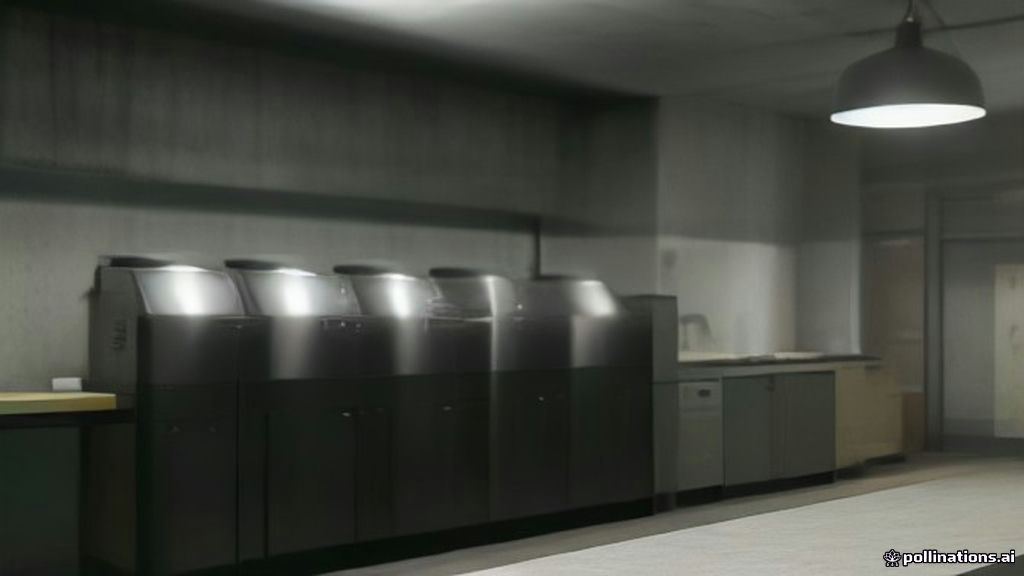
With an industrial organic waste composting machine and recycling technologies, food waste is processed on site and its volume can be reduced by roughly 80 to 90 percent, depending on the process and the waste composition. A smaller waste volume reduces the need for containers, cooling energy and collection frequency, which brings a noticeable saving in hotel waste management expenses.
2. Sustainability Certificates and the Green Star Compliance Process
Requirements such as the Ministry of Culture and Tourism's Zero Waste Certificate (Sıfır Atık Belgesi), the criteria of the Global Sustainable Tourism Council (GSTC) and international accreditations such as Green Key directly affect a hotel's market value. One of the most critical items in these certification processes is the conversion of organic waste into compost or other value-added products.
Hotels that use on-site waste recycling systems can get through audits more smoothly, earn the status of an environmentally friendly property more easily and reduce the risk of regulatory penalties.
3. Guest Loyalty and Brand Reputation
New-generation travelers (especially Gen Z and Millennials) pay close attention to the environmental policies of the properties they stay at. Hotels with environmentally responsible operations stand out on booking platforms. Sharing that the food waste from your kitchen is turned into organic fertilizer for your landscaped areas or into feed for stray animals creates a strong corporate social responsibility story.
4. Social Responsibility: From Waste to Animal Feed and Compost
While the classic waste management approach focuses on getting rid of waste, the circular economy model turns waste into a resource. When organic food scraps separated in hotel kitchens are processed with suitable technology, they can become nutrient-rich compost material or nourishing dry feed for stray animals. In this way, your hotel can cut back on buying fertilizer for its landscaped areas while making a sustainable contribution to the local community and to stray animals.
5. Regulatory Compliance and Risk Management
Regulations enforced by the Ministry of Environment, Urbanization and Climate Change subject commercial businesses' waste declarations and separation processes to strict inspections. Mixing organic waste with household waste and sending it to uncontrolled landfill sites is likely to lead to tougher sanctions in the future. Facilities that build on-site processing infrastructure are already prepared for regulatory changes.
How to Set Up Organic Waste Management in a Hotel Kitchen
To plan a successful food waste recycling process, the following steps should be followed:
- Source Separation Training: Kitchen and service staff should be trained to correctly separate peelings and trimmings from the preparation stage and plate leftovers.
- Choosing Equipment That Fits Your Capacity: An industrial recycling unit with a capacity suited to the hotel's average daily organic waste (kg/day) should be selected.
- A Quiet and Hygienic Process: Choose compact systems with an odor filter that run to high hygiene standards and do not disturb guest areas.
- An Output Utilization Plan: Final uses should be defined in advance, such as applying the resulting compost in the hotel garden or donating the feed produced to animal shelters.
A Waste-Free Future in Hospitality with ReBorn Cycle
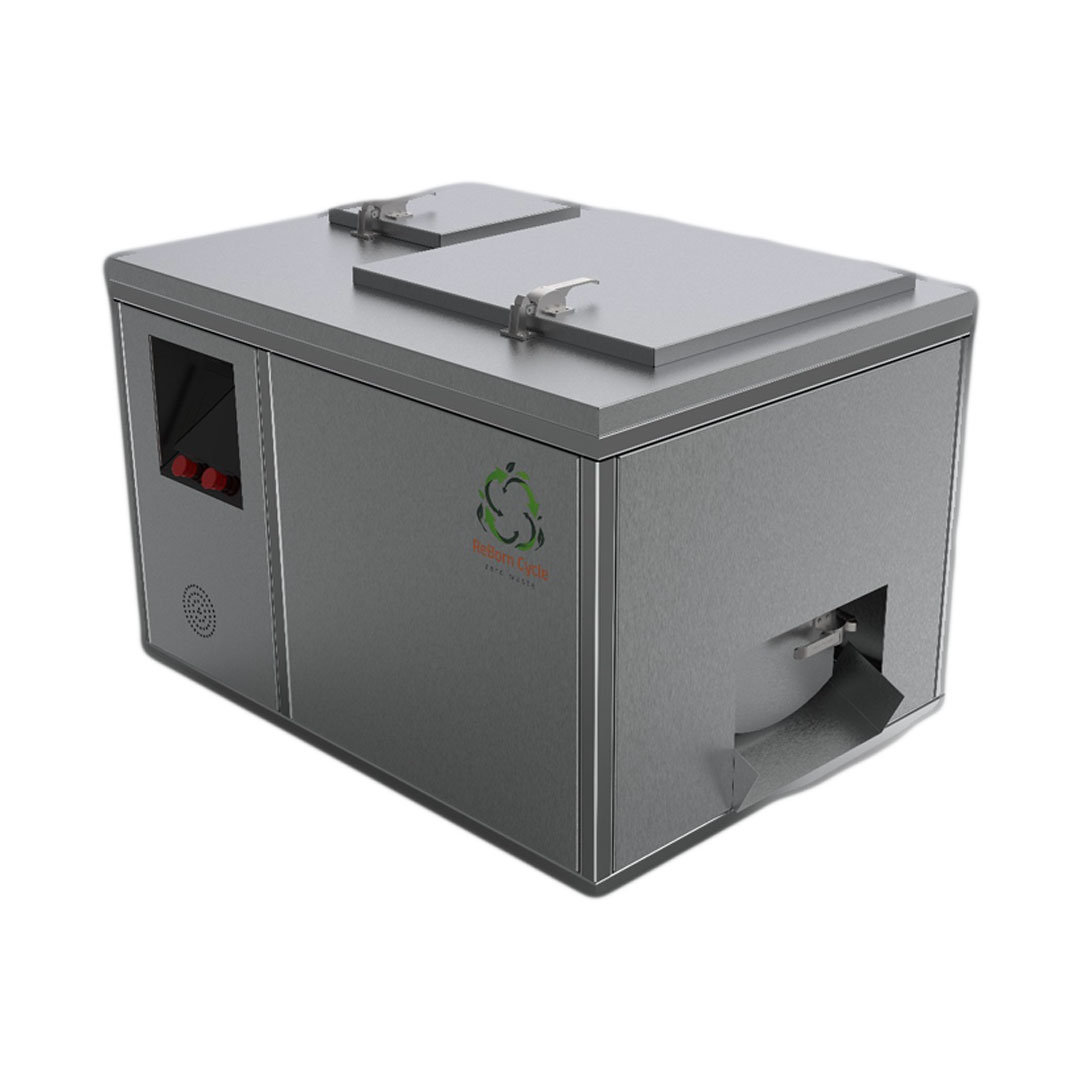
ReBorn Cycle offers innovative and practical solutions to the complex waste problems of accommodation facilities. Our high-tech industrial composting machines and organic waste converters turn the food scraps generated in hotel kitchens into hygienic, low-odor and usable outputs within hours.
Thanks to high temperature and biological processing capacity, our systems help eliminate harmful bacteria, drastically reduce waste volume and contribute to lowering your property's carbon footprint. ReBorn Cycle solutions ease your hotel's operational burden while turning your sustainability vision into a tangible reality.
Conclusion and Action Plan
Waste management is no longer a secondary operational detail for hotels; it is a strategic element that directly shapes profitability, brand value and regulatory compliance. By bringing your organic waste back into the economy and into nature within your own facility instead of throwing it away, you can become a pioneer in sustainable hospitality.
To analyze your hotel's daily waste volume, review recycling scenarios tailored to you and get detailed information about ReBorn Cycle solutions, contact us and request a free site survey.