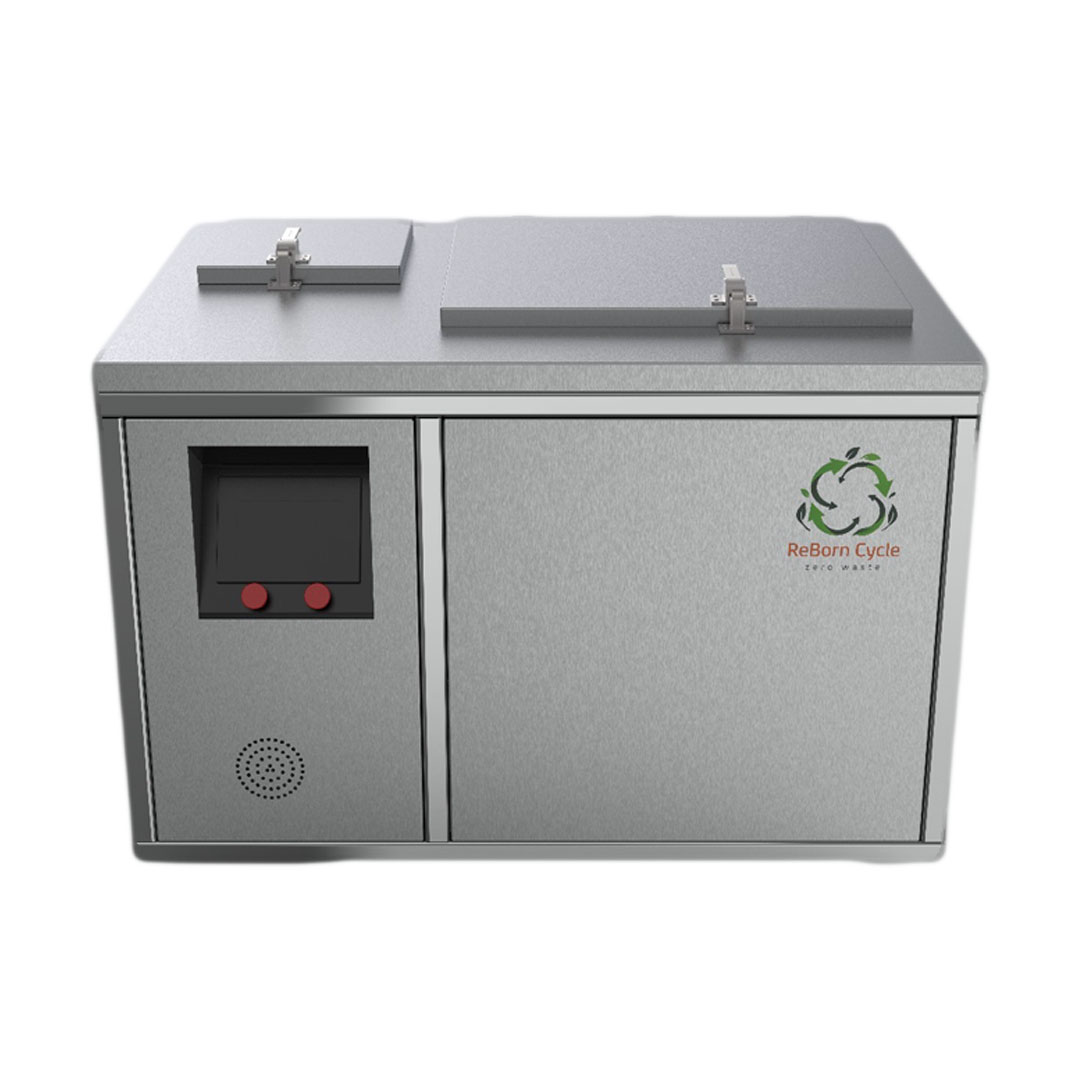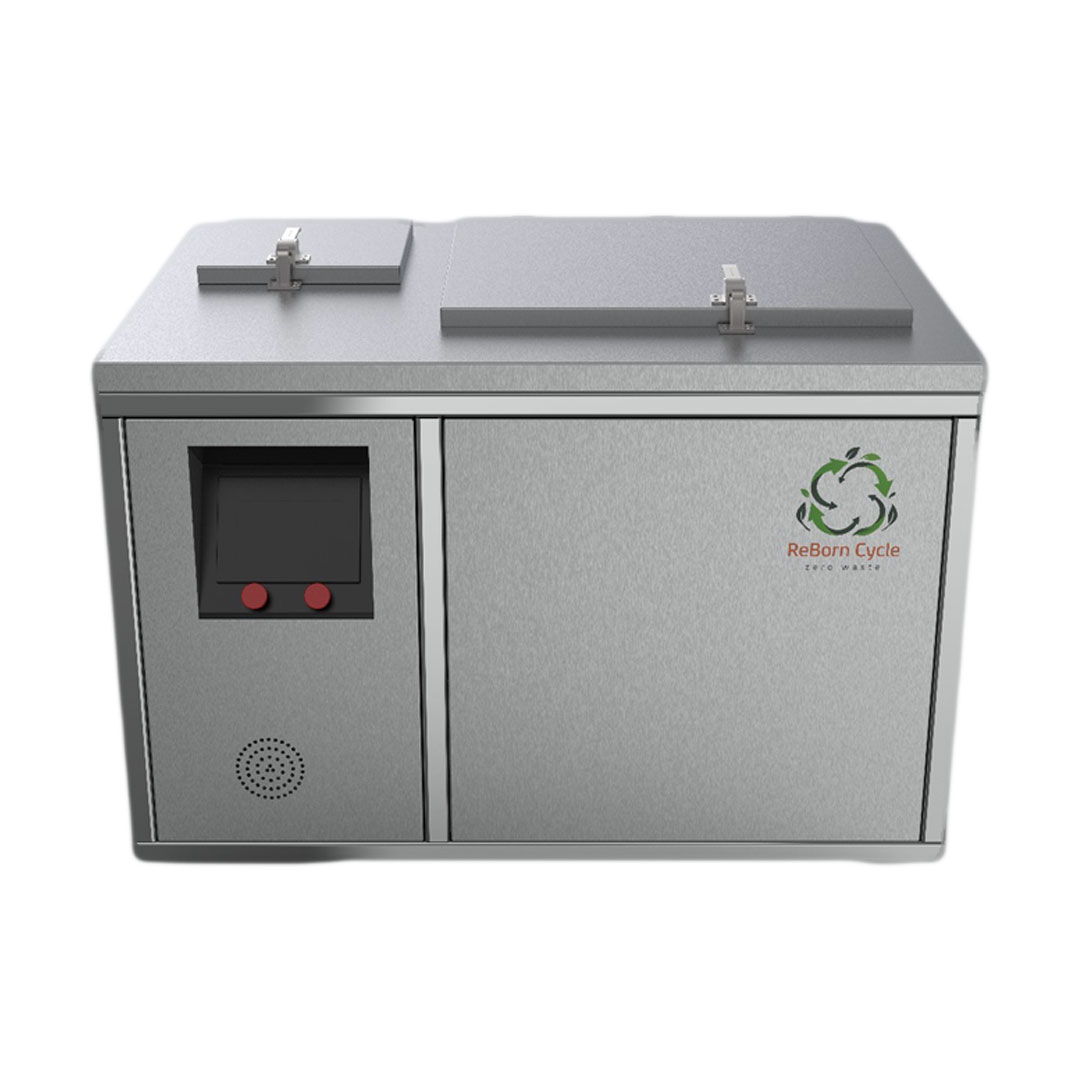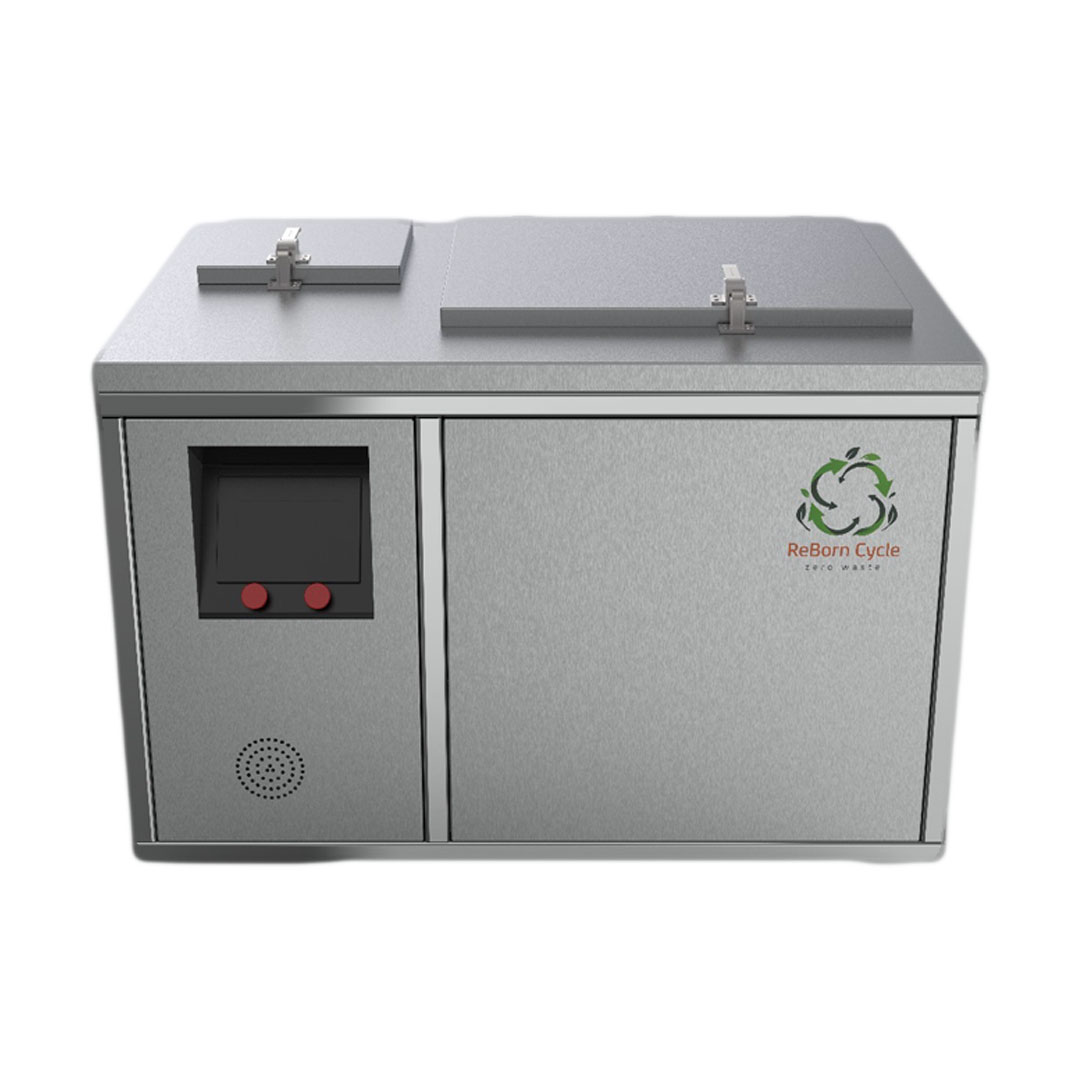


A closed industrial compost machine usually does not draw mains water every day; the real task is balancing moisture already in the waste, adding dry carbon when needed, and routing drain and condensate correctly.
A compost machine in a typical hotel, hospital or factory kitchen does not usually run on a continuous mains water feed. Wet kitchen waste often carries 60–80% moisture; the process manages that water through controlled heat, aeration and mixing. The common problem is excess wetness; the fix is usually dry carbon and a proper drain line, not pumping in large volumes of clean water.
When water bills and plumbing are planned, facilities teams often ask whether a compost machine uses water. The answer is not a fixed litres-per-day figure like a washing machine; it depends on waste profile, moisture targets and drainage layout. This article covers mains water needs, carbon amendment for wet loads, condensate and drains, relative water pressure by waste type, and how we measure moisture on ReBorn Cycle sites. Read it together with our guide on compost moisture and temperature.
Does an Industrial Compost Machine Use Mains Water?
A closed, heated, aerated industrial compost machine does not hose down material the way an open windrow might. Feeding is kitchen waste, fruit and vegetable trimmings or selected green waste; most of that mass is already water. The machine uses temperature, ventilation and mixing to manage that moisture in a controlled way.
In most kitchen lines we survey, there is no need for an extra water meter or fill valve on the compost unit. Exceptions are usually project-specific: integration of process wash water, planned equipment rinsing, or very dry waste streams. Those are engineered per site; we do not quote catalogue litres per day. Electricity and staffing dominate running costs; see our article on compost machine electricity use for the energy side.
Tip: Start with 7–14 days of waste weighing and a simple squeeze test for moisture instead of fixing a daily litre target, which is often misleading.
For Wet Kitchen Waste Do You Need Extra Water or Carbon?
Kitchen waste often sits around a C/N ratio of 15–20:1 and moisture above 70%. Aerobic composting usually targets 50–60% moisture. On salad-heavy, soup or unwashed produce days, adding clean water makes the problem worse; the practical fix is usually absorbent carbon.
Wood shavings, cardboard, straw or suitable dry greens dilute moisture and raise carbon. The same logic applies to fatty plated waste: sort contaminants first, then balance moisture. The full parameter list is in our compost machine process parameters article; for mechanical operation see how an industrial compost machine works.
- Observe and weigh Record daily kg and how wet the stream looks.
- Read moisture signs Over-wet feed raises odour and stickiness risk.
- Adjust dry carbon Add shavings or torn cardboard in small portions.
- Check and repeat A handful squeezed should feel damp, not dripping.
Where Does Drain and Condensate Water Go?
Inside a closed vessel, heated material releases vapour and condensate. Ventilation strips moisture via exhaust or cooling surfaces; some lines collect liquid in a channel routed to a service drain or an approved pre-treatment point. That flow is mostly water already inside the waste, not fresh mains supply.
Floor fall, grate size and compliant connections matter at installation. In food operations near HACCP zones, sealing and cleaning routines are planned together. Drain design varies by tender and site, so existing lines are mapped at survey; default litre values are not assumed.
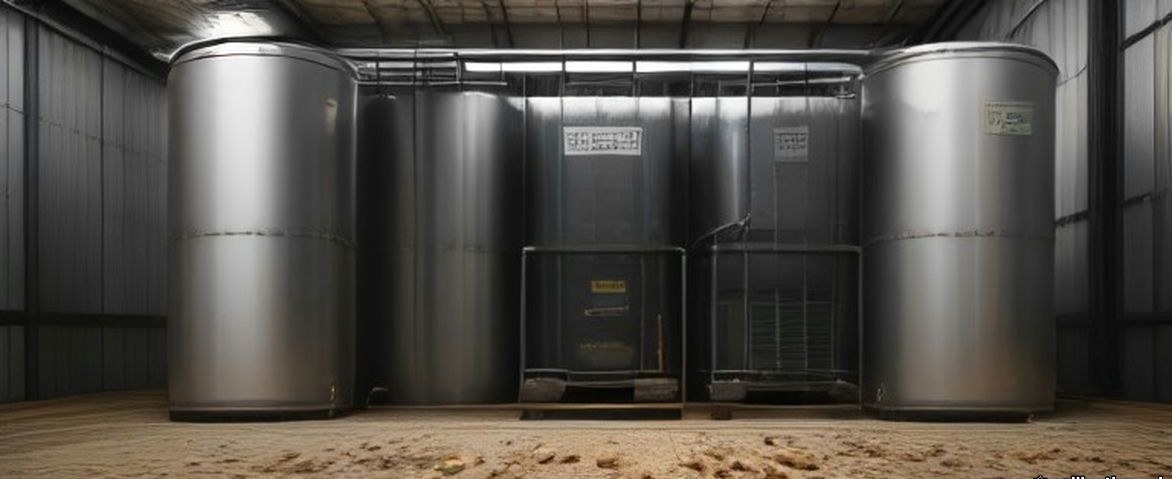
If condensate or seepage spikes, the usual causes are over-wet feeding, a blocked grate or wrong mix ratios. Our technical support team first asks for process logs and visual checks, then plans an on-site response if needed.
How Does Water Need Change by Waste Type?
Think of water need in two parts: water already inside the waste and the small amount of moisture an operator sometimes adds (for example pairing wet greens with very dry bread). The table below is typical for kitchen profiles; each site should confirm with its own logs.
| Feed profile | Typical waste moisture | Mains water | Suggested action |
|---|---|---|---|
| Salad, fruit, raw trim | High (75–85%) | Usually not required | Dry carbon (shavings, cardboard) |
| Cooked meals, rice, soup | Medium–high | Rare, project-specific | Carbon plus steady mixing |
| Bread, dry bakery waste | Low–medium | Sometimes moist greens added | Greens or controlled liquid (example) |
| Garden prunings (dry) | Low | Often blended with wet kitchen | Co-compost for moisture balance |
| Wash / process water (factory) | Variable | Depends on line design | Separate pre-treatment, check rules |
Relative fresh-water pressure by waste type is shown schematically below; bar widths are comparative examples, not measured litres.
How Does Capacity Choice Affect Moisture Load?
As daily waste rises, the same moisture mistake stacks in a larger volume. A mid-size canteen may suit an RBN-C100 Compost Machine (100 kg/day) buffer, while a large hotel or campus often steps up to an RBN-C250 Compost Machine and central kitchens to an RBN-C500 Compost Machine for longer mixing time and thermal mass on wet days. Size for peak wet days, not average kg alone.
Undersized machines push cramped feeding; moisture and temperature swing and drains surge. Oversized units with very sparse feeding can cool the process; in both cases the issue is process balance, not missing litres of water. In our consulting workflow we review waste profile, peak days and moisture logs together without assuming fixed water consumption.
Warning: If you design an automatic mains fill valve, flow limits and fail-safe interlocks should be approved with mechanical and electrical drawings; it is not a default part of the compost package.
How Do ReBorn Cycle Machines Manage Moisture and Drainage?
ReBorn Cycle compost machines use a closed body with controlled heat, aeration and mixing to turn typical kitchen waste into stabilised pre-compost in about 24–48 hours. Water management runs on moisture in the feed, carbon amendment by the operator and correct use of any drain or condensate line. At commissioning, moisture targets, feeding order and cleaning steps are written into operator training.
Before installation our field team records floor drains, existing sewer ties and waste types entering the service area. A one-week moisture and temperature log in pilot run shows quickly whether unnecessary water is being added. In service visits, fans, mixers and drain runs sit on the checklist; alarms should be read alongside process parameter drift.
Measurable water cost is usually a secondary line item; the main gain is controlled composting of water in the waste, lower odour and less haulage. You can book a survey to align capacity and moisture scenarios for your site.
Frequently asked questions
Do you need to add water to a compost machine every day?
On a standard kitchen line you usually do not add mains water every day. Wet food waste already carries high moisture; most days call for dry carbon rather than clean water. Only very dry bread or dry green loads may need controlled moist material added.
Is liquid draining from a compost machine trade effluent?
In many cases the liquid is released moisture and condensate from the waste, not continuous mains input. Classification and reporting depend on local rules and your site licence. Factory wash-water integration is a separate engineered line.
Does a compost machine need its own water meter?
Typical hotel or hospital kitchen installs do not require a dedicated water meter; the unit runs on power and drainage. A meter appears only when special rinsing or process integration is designed, and that is project-specific.
Can overly wet waste damage a compost machine?
Excess moisture makes the mix sticky, blocks oxygen paths and raises odour risk. Before hardware fails, the process slows and drains increase. The fix is usually carbon amendment, slower feeding and better sorting of contaminants.
Is water use the same on home devices and industrial machines?
No. Countertop dryers and grinders handle small batches with a different energy profile. Industrial in-vessel units run continuous thermophilic processing; water questions scale with waste volume and moisture logs, not a catalogue litres-per-day figure.
Is a drain mandatory for compost machine installation?
Most industrial units need a suitable floor gully or approved drain run. Without condensate and excess moisture removal, slip and hygiene risk in the service area rises. Survey checks fall and existing drain capacity together.
Water and Moisture Balance in Compost Machines
Compost machine water use rarely answers the how many litres per day question with a single brochure number; wet kitchen waste already carries water and the machine manages it inside the process. When material is too wet, the fix is dry carbon and feeding discipline, not opening a hose.
Defining drains and condensate at installation, keeping moisture logs and sizing capacity for peak wet days catches water-related issues early. Next to energy, labour and maintenance, water is usually a secondary cost line.
To measure your waste profile and clarify moisture scenarios, book a free site survey or work with our consulting team on capacity and process outline.