

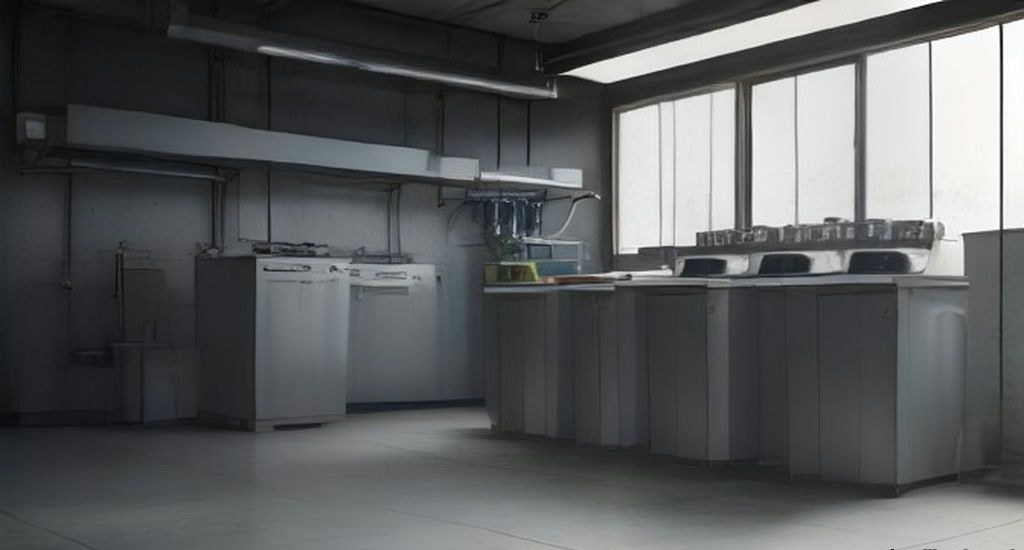
Compost feed machine is a blurred search phrase: it usually means an industrial feed machine that turns suitable food waste into animal feed material, separate from a compost machine that makes soil amendment.
A compost feed machine is search language that mixes two lines. In practice there are two systems: a compost machine stabilises pre-compost for soil use in a closed aerobic reactor, while a feed machine dries and hygienises selected pre-consumer surplus into animal feed material. Which path applies depends on waste type and current rules in your market.
Hotels, factories and central kitchens hear both compost and feed recovery options for food waste, yet one keyword bundles them. Here we decode what people mean by compost feed machine, split the compost path from the feed path, and show how to choose. For the core distinction see feed machine vs compost machine.
What Does the Phrase Compost Feed Machine Mean?
Many searches for compost feed machine aim for any industrial unit that treats food waste on site. Results show both compost and feed equipment because marketing and local language merge soil products with livestock feed.
In engineering terms the split is clear. A compost machine runs controlled aeration and mixing in a closed vessel; output is stabilised organic matter for landscaping, greenhouses or soil improvement, often with extra curing. A feed machine applies thermal treatment and drying to traceable pre-consumer flows so the product can enter feed formulations as regulated raw material.
Both lines may sit in one service wing but need different bins, records and staff routines. Planning from the mixed keyword often locks the wrong output target, so define soil product vs feed ingredient before capacity sizing.
How Do the Compost Path and Feed Path Differ?
Compare output, waste profile, law and offtake channel. The table below contrasts the two routes; times are typical in-machine values and shift with moisture and contamination.
| Factor | Compost path | Feed path |
|---|---|---|
| Machine type | Closed in-vessel compost unit | Closed feed recovery unit |
| Typical waste | Plate and kitchen organics without packaging | Pre-consumer bakery and line trim, separately collected |
| Main output | Stabilised pre-compost; curing often required | Dried, hygienised feed raw material |
| Process time | Often 24–48 h in-vessel cycle | Pre-treatment plus drying; days by stream |
| Rule focus | Compost quality and separate collection duties | Feed and food safety; catering restrictions |
| Typical buyer | Hotel, hospital, mall, municipality | Food plant, bakery, licensed operator |
Mixed plate waste usually belongs on compost only. Predictable production scrap may qualify for feed if records and buyers align; see safety criteria for feed recovery for checkpoints.
Which Wastes Suit a Feed Machine?
A feed machine needs selected, traceable streams. In site surveys the smoothest lines run at bakeries and ready-meal plants where one scrap type lands in one bin. Mixed catering with meat, dairy and service residues rarely qualifies; those tons normally go to a compost machine instead.
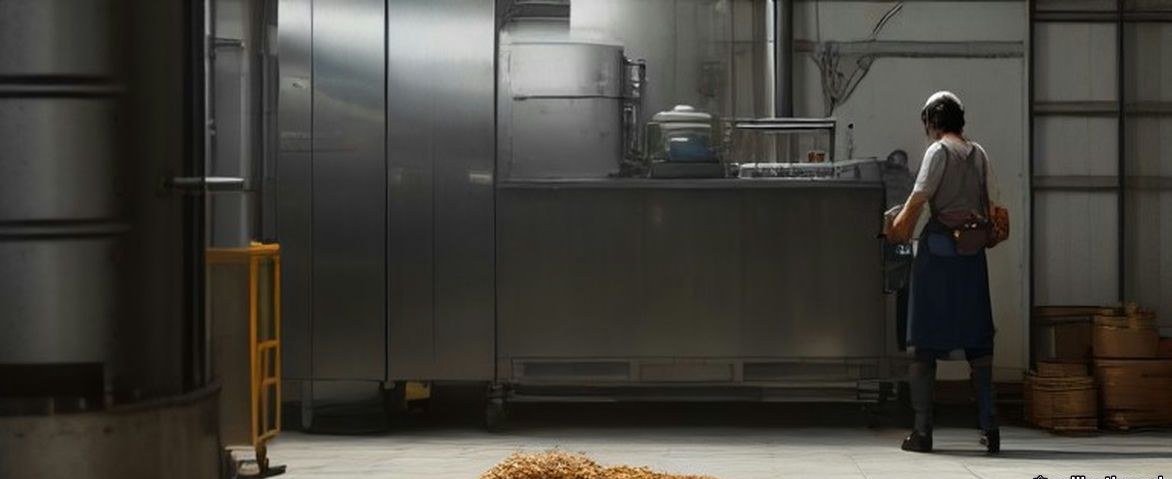
In the European Union, regulation 1069/2009 restricts feeding catering waste to farmed animals except fur animals; read the text if you trade in or certify to EU rules. In Turkey, feed use follows Ministry of Agriculture and Forestry requirements that you should verify before purchase. Law does not replace equipment selection but it draws the feed boundary.
Warning: Treating plate waste as feed stock creates legal and animal-health risk. When in doubt, route to compost or approved disposal first.
When Should You Choose Compost or Feed?
The bars below show an example ranking, not a score for your site. Higher bar means that path is more often chosen for that factor; your kg/day, neighbours and revenue model will change the picture.
Plants with steady factory scrap and a buyer contract may favour feed; read food waste to feed recovery for the flow. Hotels and hospitals prioritising zero-waste and odour control more often lead with compost; defining organic waste streams helps the split.
How Does ReBorn Cycle Deploy Feed Machines on Site?
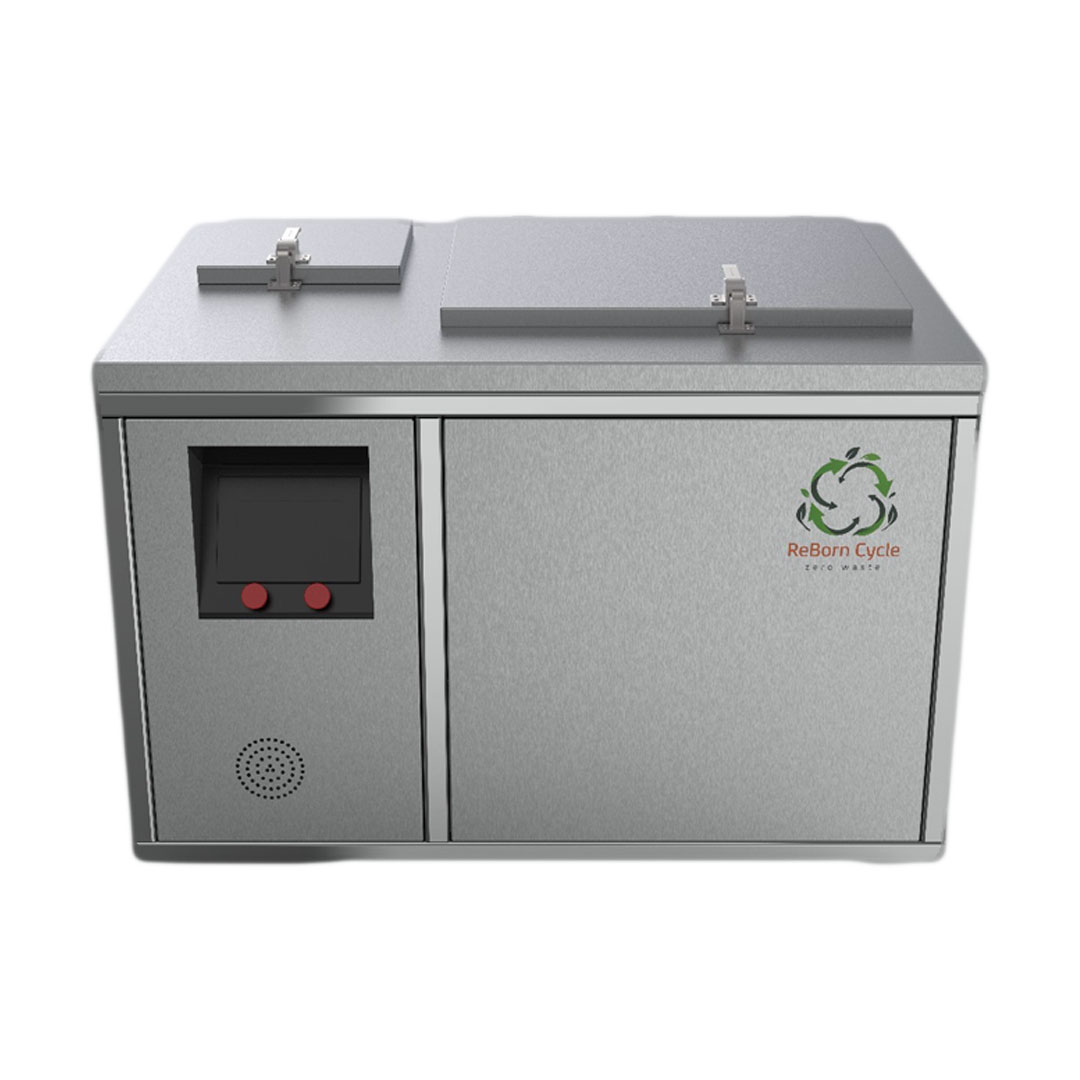
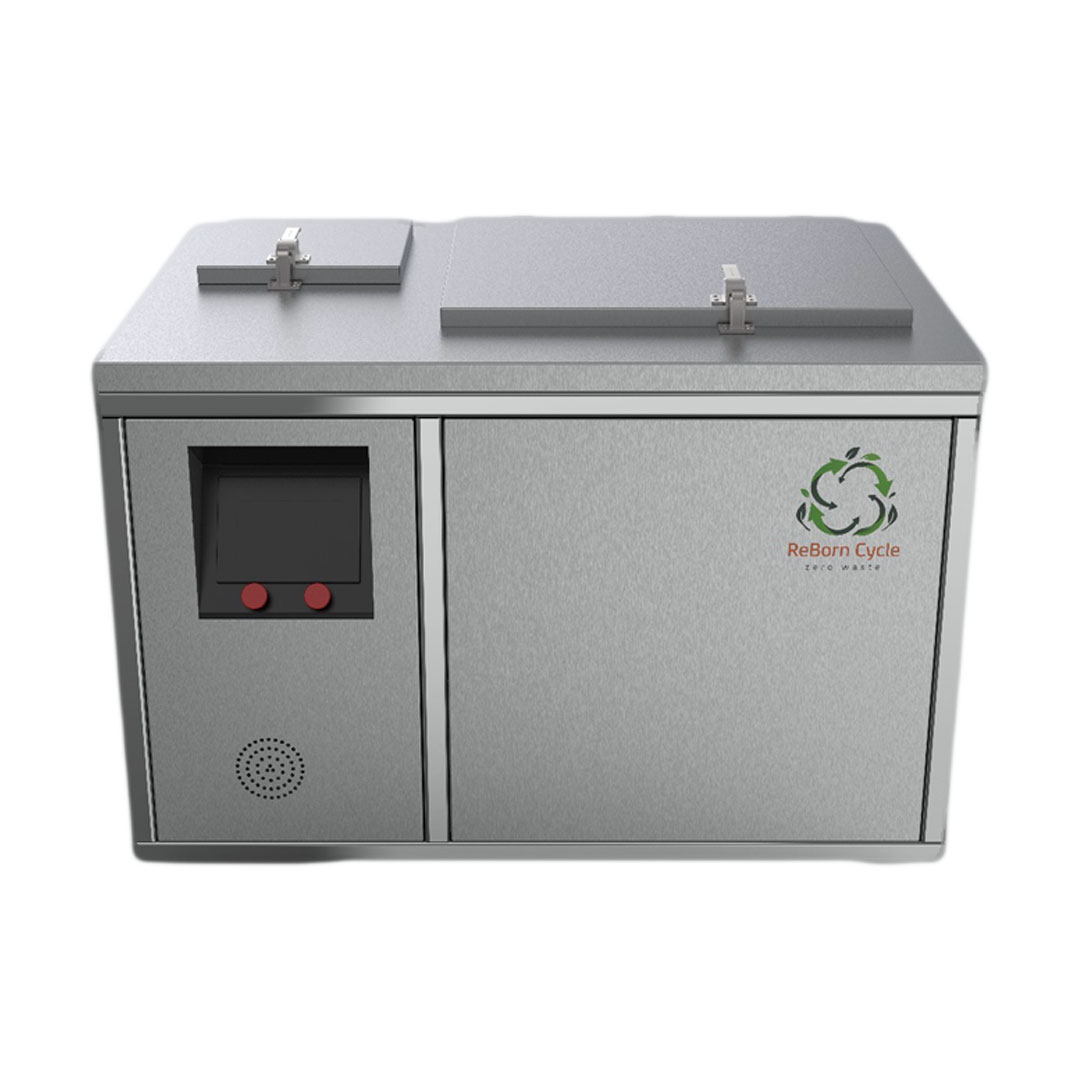
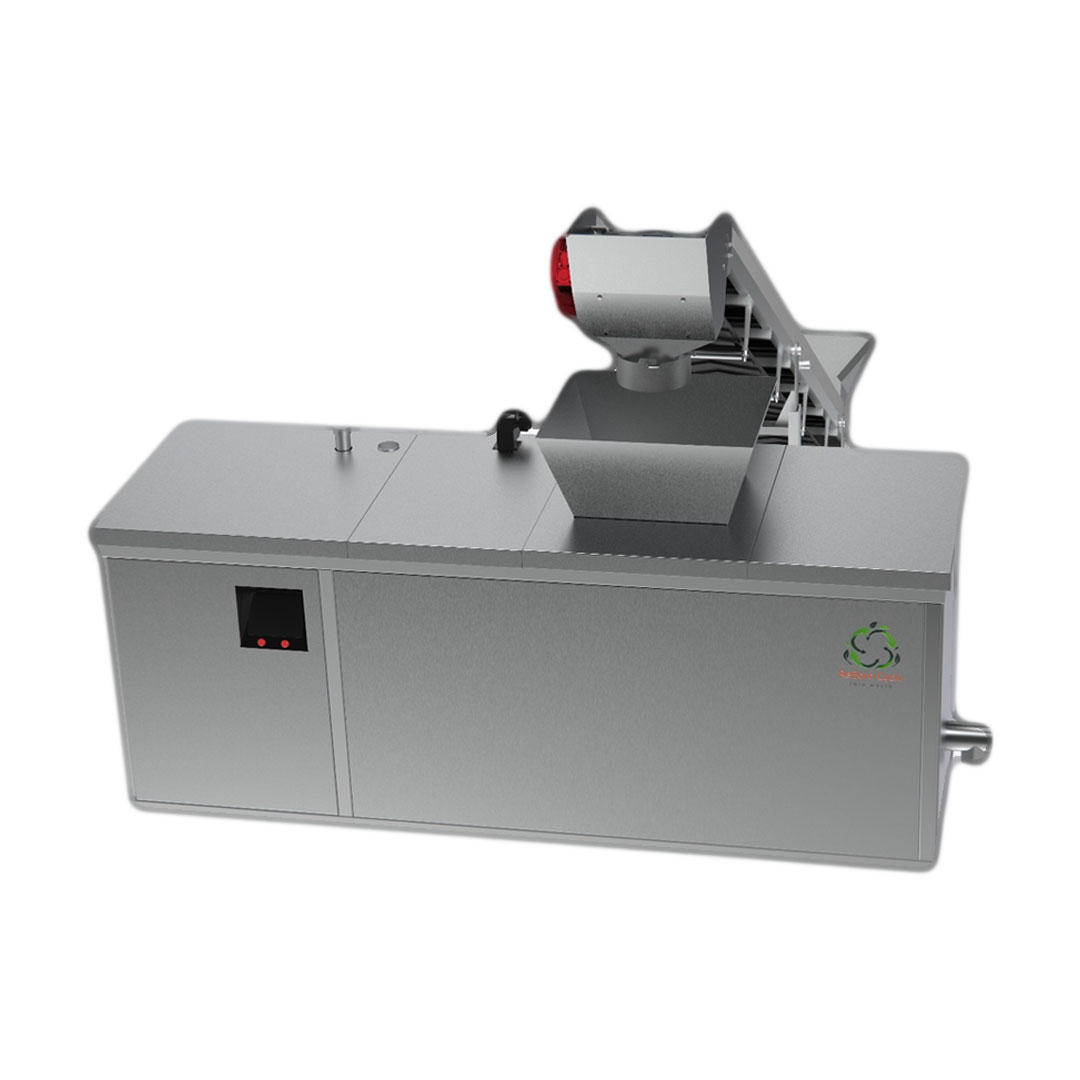
ReBorn Cycle feed lines are closed units with controlled heat and air; optional shredder and belt match particle size at intake. Roughly 250 kg/day of suitable scrap points to RBN-C250 Feed Machine, mid-scale production to RBN-C500 Feed Machine, and central kitchens to RBN-C1000 Feed Machine as starting references.
Survey captures waste types, seasonal peaks and target product. Commissioning includes sorting, temperature logs and cleaning rhythm through our training offer. Steps align with how the feed recovery process works in your records.
Tip: Weigh scrap for two weeks before you buy; daily peaks show whether a buyer contract can absorb output.
Consulting pairs waste analysis with a line diagram so compost and feed inlets never cross-contaminate. Engineers align shredder, belt and drying stage to your particle size and shift pattern.
How Do You Decide Between Compost and Feed?
Teams arriving from the compost feed machine keyword use this sequence in kick-off meetings. Finish each step before you lock a model number.
- Write the output Soil amendment or feed ingredient; internal use or sale?
- Map streams Where waste arises, plate share, packaging risk.
- Check rules Compare EU 1069/2009 and national feed law on current text.
- Measure Log kg/day and peak days; site waste profiling methods help.
- Pick the line If feed is not clearly legal, default to compost.
Many sites run both: catering to compost, line scrap to feed. Colour-coded bins and briefings are mandatory; otherwise traceability and quality fail together. Review the exclusion list quarterly against real kitchen practice.
Frequently asked questions
Is a compost feed machine one device?
No. The phrase blends two technologies. A compost machine makes stabilised material for soil. A feed machine makes hygienised feed raw material from selected surplus. One building can host both with separate loading points.
Can the same food waste make compost and feed?
You split by stream, not by splitting one pile into two products. Plate waste goes to compost. Traceable pre-consumer scrap may enter feed when law and buyers allow.
Is feed machine output fed directly to animals?
Output is usually an ingredient for compound feed, not hay dumped in a barn. Formulation, analysis and sales duties sit with the licensed feed supplier. Verify national feed rules before use.
Can catering waste enter a feed machine?
Mixed catering and service waste is often excluded. EU 1069/2009 is a key text to check with your adviser. Route doubtful tons to compost or approved disposal.
Can a compost machine replace a feed machine?
No. Compost suits soil; it is not a legal substitute for feed stock. A feed line focuses on drying and hygienisation. Mixing the roles creates compliance and animal-health risk.
How is feed machine capacity chosen?
Size from eligible scrap kg/day with 20–30 % headroom on peak days. Shift patterns set feeding cadence at bakeries and plants. Buying without survey data causes jams or empty capacity.
Matching Food Waste to the Right Path
The point of the compost feed machine search is to clarify what you want to produce from kitchen and factory scrap. Soil benefit sits on the compost line; licensed feed supply sits on the feed line. They can neighbour each other but records must stay separate.
Put law, waste profile and target product on one page. Once survey confirms all three, family and capacity become obvious. When a stream is ambiguous, staying on compost or disposal is usually safer because feed rules are read narrowly. Dual lines need a written sorting station, colour codes and shift cards before you order the feed unit.
To map your profile and line layout, book a free site survey or work with our consulting team on capacity and compliance questions.