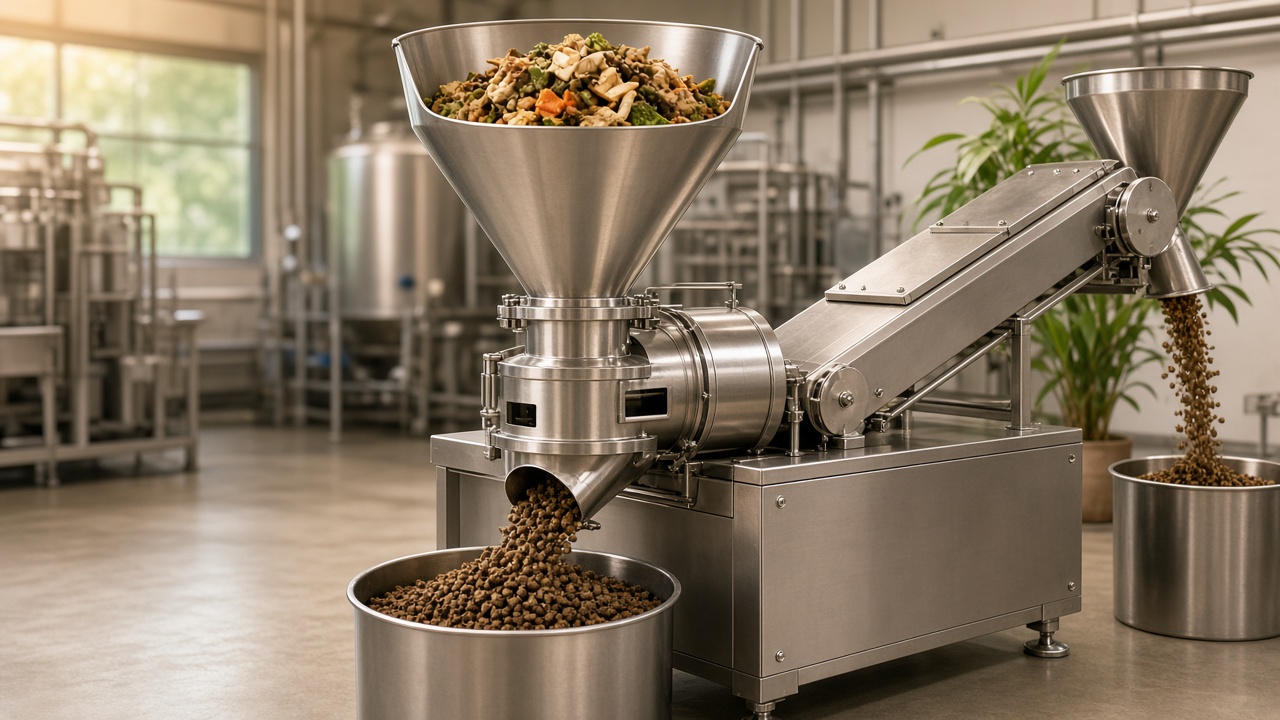
A traceable field approach for accepting, sorting, processing and pelletising suitable food co-products while controlling contamination and variability.
ReBorn Cycle recovery team — food co-product processing field experience
In feed recycling, input suitability must be decided before equipment selection. A known source, effective foreign-material removal, controlled processing and documented intended use form one connected assurance system.
Define acceptance criteria
Define acceptance criteria. Measure at least seven consecutive representative days, and sample busy and quiet periods separately for seasonal sites. A daily total is not enough: record shift, source, contamination, material condition and time held before treatment.
Baseline evidence
- Weigh each source and record collection time.
- Report both the average and highest day.
- Distinguish wet, dry and bulky fractions.
- Confirm that the routine is realistic for operators.
Before implementation, standardise the measurement method across the team. If identical material is named differently by each shift, comparisons quickly lose value. A simple form needs date, source, net weight, visible contamination, responsible person and action taken. Check the scale at suitable intervals and keep tare practice consistent. Seven days support an initial decision, while a four-week moving average reveals changes caused by menu, occupancy, weather or collection routes. Hold a focused weekly review to explain outliers, complete missing records and choose one improvement target for the next period. This short feedback loop keeps data connected to real work instead of turning the log into paperwork nobody uses.
Sort and control the process
The plan must handle peak days without forcing the system to operate continuously at its limit. Running with no margin increases the risk of irregular feeding, long holding times and deferred maintenance. Keep a reasoned allowance above the measured peak, but do not oversize against unsupported growth assumptions.
A ReBorn Cycle site review connects the material route, available footprint, utilities, staffing, shifts and seasonality. This turns a nominal capacity figure into an operating plan with named responsibilities.
Write operating scenarios for a normal day, a peak day and an interruption. The normal case defines standard work; the peak case assigns extra containers, people and feeding order; the interruption case states how long and under what conditions material may be held. Floors should be cleanable, transport routes should avoid cross-traffic and containers should remain closed. Place visual instructions at the work point because a procedure kept only in an office will not control the site. Require a new operator to complete two supervised cycles, review records during every handover and explain why excluded material is rejected. These habits test operating discipline as well as equipment choice.
Check pellets and traceability
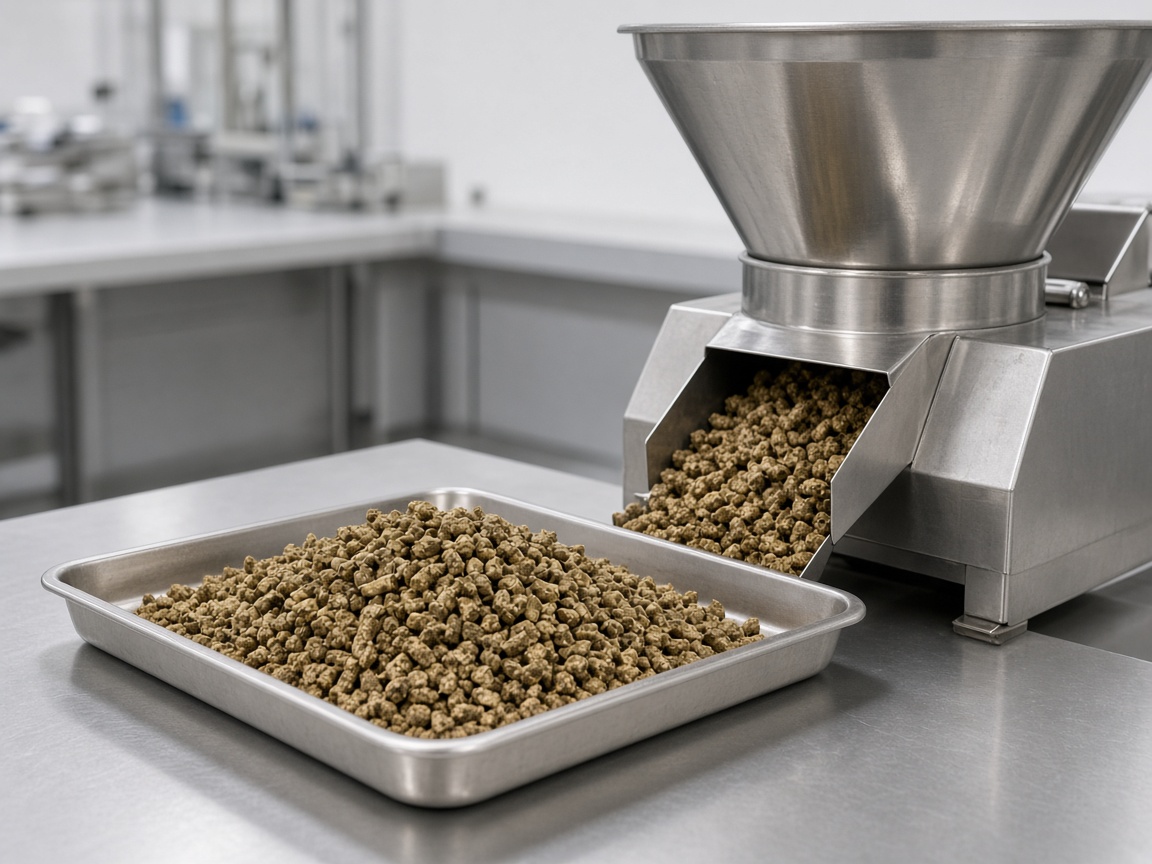
Recording batch number, source, acceptance time and processing settings together enables each pellet batch to be traced backwards. Treat numbers as preliminary guidance rather than a universal recipe because bulk density and moisture change actual throughput. Compare the first suitable model with the next capacity option using the same measured dataset.
Decision checks
- Acceptance criteria and excluded materials
- Feeding frequency and operator time
- Route for curing, storage or use of output
- Windows reserved for cleaning and planned maintenance
Do not postpone quality control until the final output. Input appearance, odour change, moisture feel, equipment sound, cycle duration and output structure provide early warnings. When instruments are used, take readings at the same location and a comparable time so trends remain meaningful. After one deviation, avoid changing several settings at once. Record the likely cause, apply one controlled correction and observe the next two or three cycles. The team then learns which intervention produced the result. Define the curing, storage or beneficial-use area before routine operation begins. An uncertain output route can fill available space, create secondary handling and stop an otherwise stable process even when equipment is performing correctly.
Verify the intended use
Validate the decision with a weekly log, a simple layout drawing and a responsibility matrix. Track indicators daily during the first month, then weekly after the operation stabilises. When performance drifts, examine input and work-practice changes before altering equipment settings.
The related implementation guide explains the next step. Review the complete range on the products page or contact the technical team with a representative input sample.
In the monthly review, place total input, processed quantity, rejected material, runtime, unplanned stops, cleaning time and output on one page. Always read percentages beside kilograms; a high percentage from a small base can distort priorities. Targets should be specific, such as halving missing weight records within one month or keeping peak-hour holding below thirty minutes. Preserve the baseline before a change and measure the result with the same method afterwards. If capacity or process limits are exceeded repeatedly, do not hide the issue with temporary workarounds. Reassess layout, shift planning, source separation and equipment selection with the technical team, then document the owner and completion date for each corrective action.
Post-commissioning review
Treat the first thirty days as a structured learning period. Check every shift during week one and complete a short daily review for the next three weeks, covering safety, cleaning, input quantity, operator notes and output route. Rank issues by consequence and recurrence. Apply simple permanent corrections promptly, but do not make changes affecting utilities, capacity or safeguards without technical approval. Keep training records, maintenance dates and the current work instruction in one controlled file. At month end, compare actual values with the original targets, collect operator feedback and revise the procedure to reflect work as it is performed. This close-out creates a reliable reference for future expansion, new material sources or seasonal operating changes.
At the final review, write down the assumptions behind the decision. Reassess whenever quantity, source or operating hours change rather than relying on an outdated calculation. Current evidence and named approval keep the investment decision traceable.
Related product models
Related blog articles
- Organic Waste Management for Hotels and Restaurants
- A Zero-Waste Roadmap and Reporting Plan for Businesses
- Composting Field Applications for Municipalities and Hotels
Frequently asked questions
How long should the initial measurement period be?
Measure at least seven representative days and sample both busy and quiet periods where demand is seasonal.
How much spare capacity is sensible?
Use measured peaks, growth plans, shifts and maintenance windows to set a reasoned allowance instead of applying one fixed percentage.
Which records matter most?
Record source, weight, time, contamination, operator action, core process observations and the route taken by output.
What information is needed for a quotation?
Share average and peak quantities, material types, site photos, utilities, operating hours and the required output route.
Next step
Share your measured site data with ReBorn Cycle to receive a project-specific assessment and quotation. Contact us.