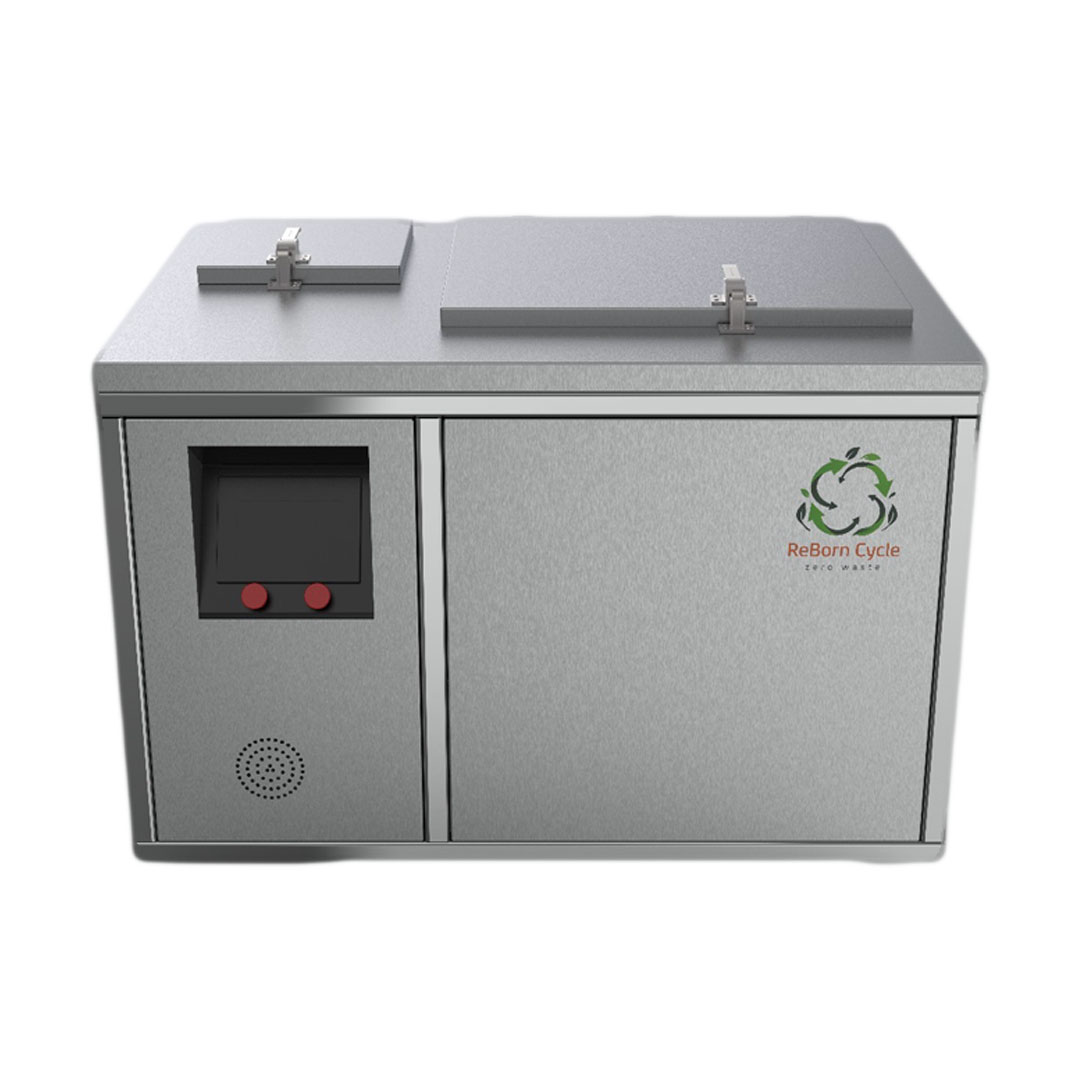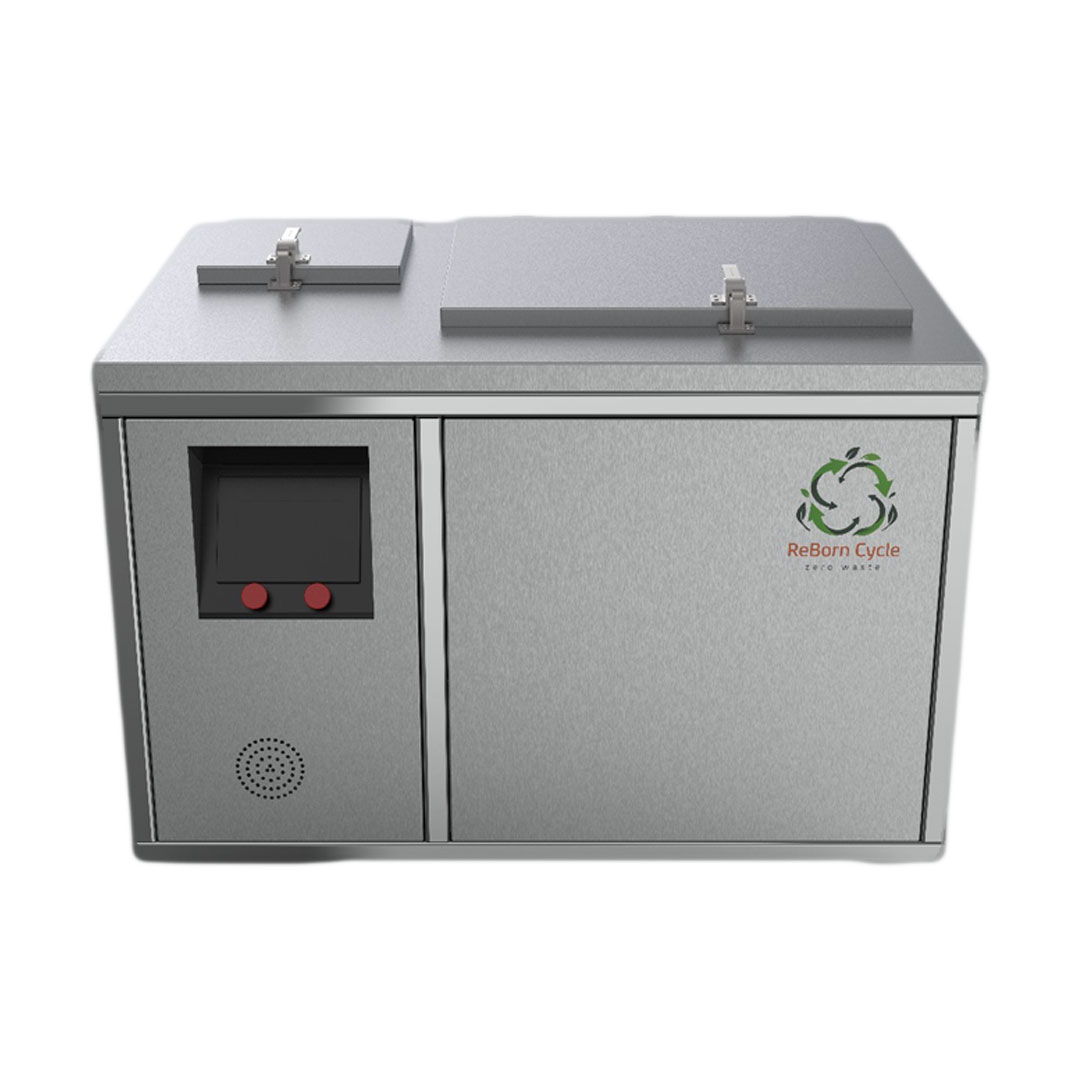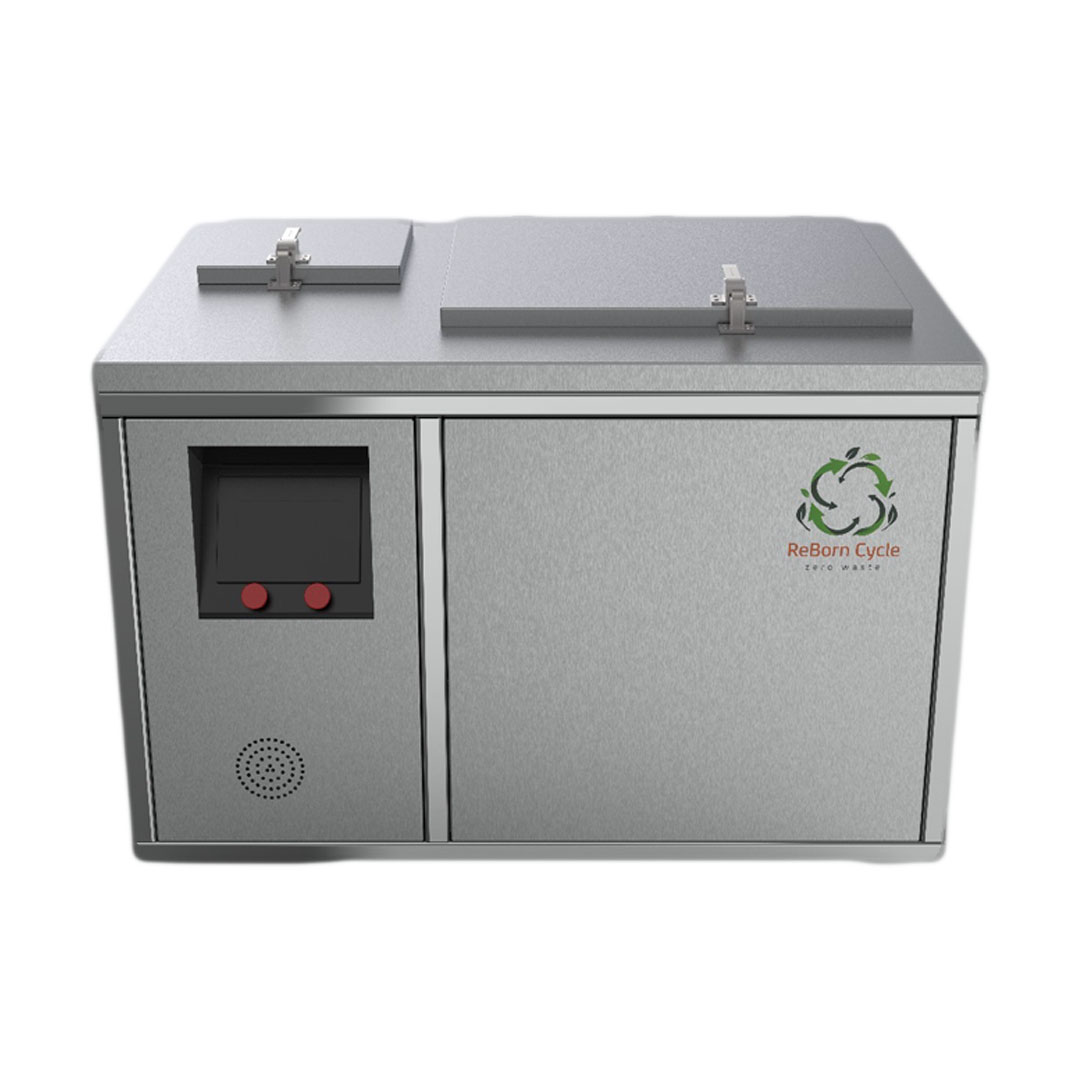


When choosing a hospital compost machine, target only catering organic waste; clinical or infectious waste must never enter compost. Daily kg weighing, hygiene zoning and closed machine capacity are set together.
A hospital compost machine is chosen by weighing daily catering and canteen organic kg, then matching a closed in-vessel model (often the 100–500 kg/day class) to hygiene zones. Sharps, blood-soiled material, infected textiles and clinical waste never go to compost; those streams follow separate medical waste procedures.
In healthcare sites, waste programmes sit between zero-waste targets and infection control. A hospital compost machine usually means on-site treatment of cooked leftovers from central kitchen, staff canteen and in-hospital cafeterias. This guide clarifies eligible streams, capacity, layout and hospital canteen waste handling in practice.
Which Hospital Kitchen Wastes Can Enter a Compost Machine?
The machine targets food production and service organics: vegetable prep trim, suitable raw kitchen waste, cooked plate leftovers when not contaminated, bread and fruit loss. Unpackaged organic input is fed with carbon supplement (e.g. appropriate dry bulking) where needed. Plastic trays, foil, disposables and packaging are removed upstream.
| Stream | Compost | Reason |
|---|---|---|
| Prep waste, suitable canteen organics | Yes | Municipal organics or on-site recovery scope |
| Cooked plate waste (not contaminated) | Conditional | Metal/plastic removal and moisture balance required |
| Sharps, blood-soiled material, infected textiles | No | Clinical waste class; separate collection and disposal |
| Drugs, lab chemicals, cytotoxic waste | No | Hazardous waste rules |
| Greasy cardboard, detergent-contaminated cloths | No | Foreign matter and hygiene risk |
The most common site mistake is “all organic in one bin”. Without colour-coded bins, training and audit records, model selection is premature. A hygiene protocol on the compost line turns segregation into daily operation.
How Is Compost Machine Capacity Calculated for a Hospital?
Capacity is not “bed count × guess” but at least one week of weighing. Central kitchen, staff canteen and in-hospital cafeteria flows are logged separately; pasta, meat and high-fat days create peaks. Measured daily average typically gets %15–25 headroom. Special menu and diet kitchen days shift the waste profile; a single sample day can mislead.
With one central kitchen in the 200–400 bed band, many sites stay in the RBN-C100 Compost Machine or RBN-C250 Compost Machine range; campus-scale city hospitals may need RBN-C500 Compost Machine. Before locking a model, use industrial compost capacity selection logic and narrow options with the capacity selector.
Fatty and wet input can extend in-vessel time to 48–72 h, so read nominal kg/day together with waste character. Night shifts and weekend service rhythms affect feeding plans. Visitor spikes during holidays add temporary peaks that should appear in the log.
How Do Hygiene Zones Affect Compost Machine Placement?
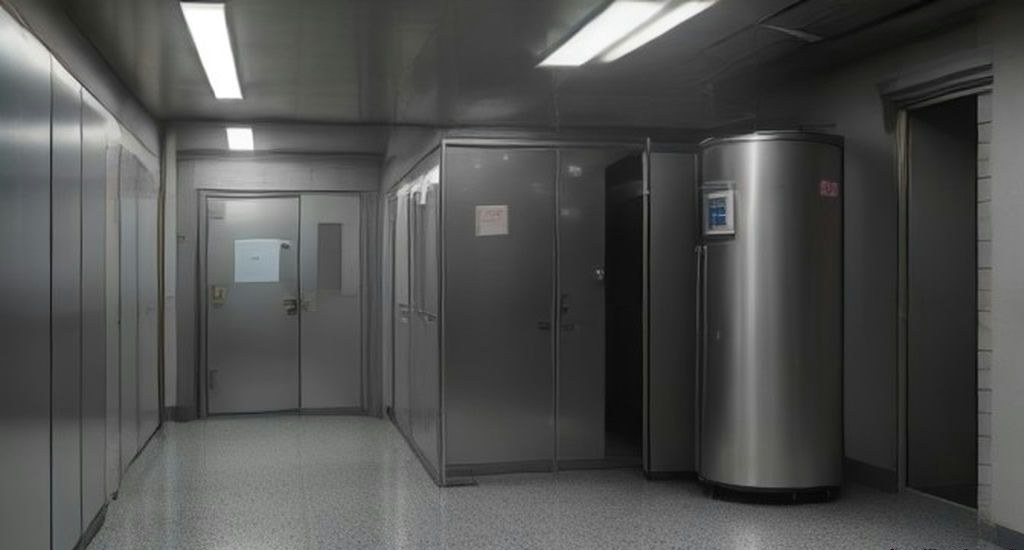
Hospital plans code movement between kitchen, cold store and waste areas. The compost unit ideally sits close to organic collection but away from patient and visitor corridors, in a service passage or kitchen side zone. Floor load, door width, drain and ventilation are measured on survey.
Clinical unit waste does not feed this route; only the catering line supplies the machine. Spare-part access and cleaning clearance must fit the HACCP schedule. Fan and mixer noise should not reach guest corridors.
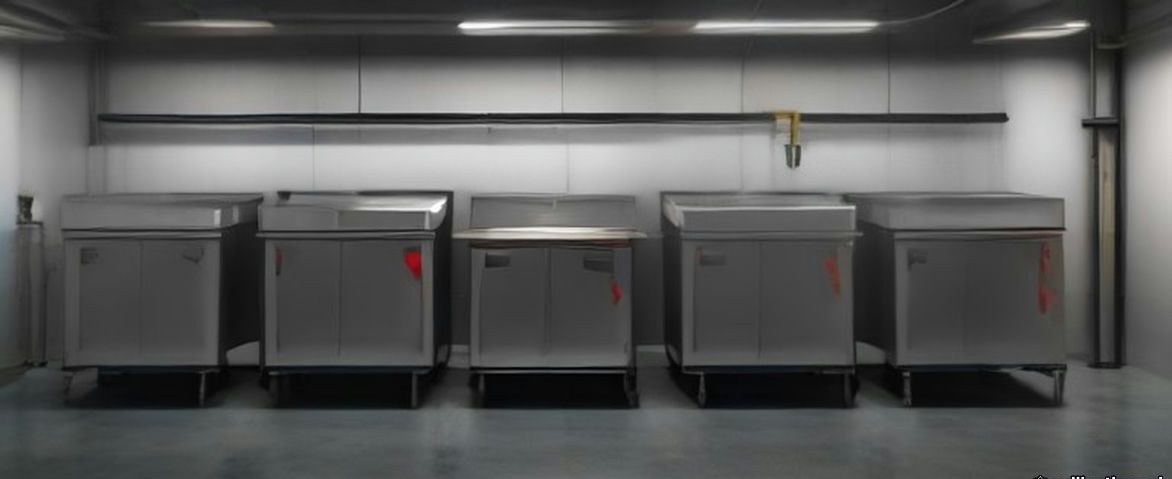
Layout reviews cart turning, truck access and emergency routes together. Survey forms capture power, condensate and drain routing before installation day.
Why Must Clinical Waste Never Enter the Compost Line?
Clinical and medical waste never enter compost. That is infection-control and regulatory practice, not marketing. Blood, body fluids, theatre waste, sharps, pathogen-risk textiles and cytotoxic material go in dedicated containers and licensed disposal. Accidental mixing into the compost machine creates unacceptable site risk.
Warning: What goes in clinical bins is fixed by training. Do not feed the machine from a mixed cart; stop, segregate and log the event. Compost output must not be stored next to patient care or children’s play areas.
Physical separation from meal organics is mandatory: different room, locked containers, different collection times. Surveys often find red clinical bins beside compost carts; the layout is corrected first. Compost machine operator training repeats this rule every refresh cycle.
How Does ReBorn Cycle Commission Hospital Kitchen Lines?
The ReBorn Cycle path starts with consulting: waste profile and kg measurement. After catering streams are confirmed, model, floor and ventilation are planned; commissioning targets %50–60 moisture and 55–65 °C thermophilic phase inside the closed vessel. Typical kitchen organics often complete in 24–48 hours in the machine.
- Survey Daily kg, moisture, fat and foreign-matter sampling; catering route drawn, clinical route excluded.
- Layout and install Drain, power, service access and carbon storage defined.
- Training and records Feed log, alarm limits and mix ratios; schedule refresh via operator training.
Output is stabilized pre-compost; curing space is set for landscape or contracted off-take. One trained operator per shift is often enough on C100–C250 hospital installs.
What Odour Control and Hygiene Priorities Matter in Hospitals?
For patients and staff, odour is the second go/no-go factor after segregation. A closed, heated, mixed vessel with balanced moisture and regular feeding stays far below open decay piles. Wet, irregular or very fatty loads increase odour; carbon supplement and feed interval are adjusted.
When odour complaints arise, check input moisture and feed frequency first. Steps from controlling odour in organic waste can be copied into hospital log sheets. Corridor tolerance near wards is low, so filter and duct maintenance stays on schedule.
Tip: Night-shift waste should enter before morning buildup; lidded carts and short feed intervals reduce trapped odour.
Frequently asked questions
Is an on-site compost machine legal in hospitals?
Many facilities plan on-site organics under zero-waste and local rules; permits vary by province and site type. Catering and clinical lines stay separate. Confirm current requirements with your environmental unit before purchase.
Can operating theatre waste go into a compost machine?
No. Theatre and similar clinical waste are medical waste and never mix with compost. They go to licensed medical collection and treatment. If mixing is suspected, stop feeding the machine.
Which compost machine capacity is enough for a hospital?
It depends on weighed catering organic kg/day. Many central kitchens sit in the 100–250 kg/day class; large campuses may reach 500 kg/day. Bed count alone is not a reliable sizing input.
Does a compost machine increase infection risk?
With correct segregation and closed thermophilic processing, risk stays controlled. Clinical waste must never enter. Gloves, surface cleaning and records align with HACCP-style kitchen practice.
Can patient plate leftovers be composted?
Often yes when not contaminated, free of metal and plastic and allowed under catering policy. Outbreak or isolation periods may add stricter internal rules.
Can machine output be used in hospital gardens?
Output is pre-compost; curing and quality checks are recommended before landscape use. Sensitive areas need institutional approval and moisture tests. Do not use material from zones that contacted clinical waste.
Right Machine Choice for Hospital Catering Waste
A hospital compost decision clears when you write which streams feed the machine: catering organics only, clinical waste firmly outside. Then kg data and hygiene zones should lock capacity and placement. Skipping that order turns model choice into endless debate and delays the project.
If logging, odour control and training are weak, even a good machine draws complaints. Feed logs, separated bins and periodic operator training make audits easier. A short handover briefing each shift cuts wrong-bin mistakes.
To map waste profile and kitchen layout together, book a free site survey or use consulting to draft capacity and hygiene flow for your floor plan. Do not commit to a model before survey weights exist.