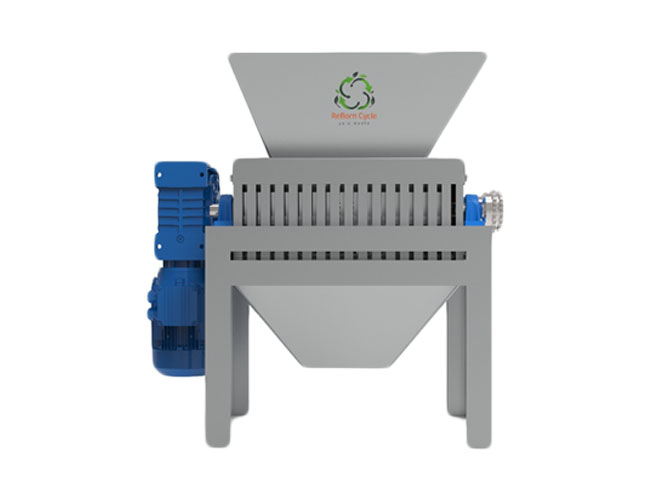
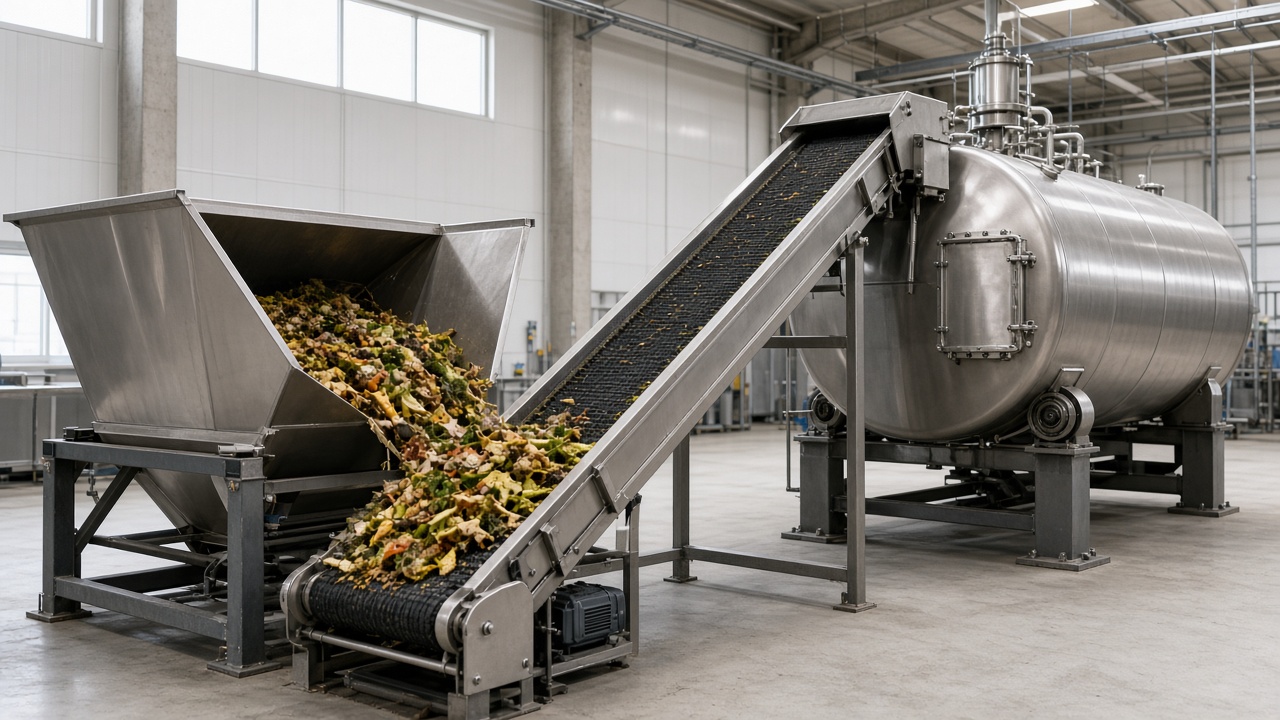
A waste shredder cuts organic waste into pieces of roughly 1–5 cm before it enters the compost machine, increasing surface area, homogenizing the mix, easing feeding and making composting more consistent.
A waste shredder is the pre-treatment unit in a compost line that cuts organic waste into pieces of roughly 1–5 cm before it enters the machine. Shredded waste has more surface area, so microbes work faster, the mix becomes homogeneous and conveyor feeding gets easier. It is essential for coarse streams like market, bread and garden waste.
When choosing a compost machine, people discuss capacity and cycle time, but a line's performance is often decided by the step before the machine. This article explains what a waste shredder does, how particle size affects composting, which waste streams need a shredder and how the line is laid out in projects such as choosing a machine for 1 tonne of organic waste per day.
What Is a Waste Shredder and Where Does It Sit?
A waste shredder is a pre-treatment machine that breaks organic waste into small pieces using rotating blades or shredding shafts. In a compost line, it sits after reception and pre-sorting and before the compost machine.
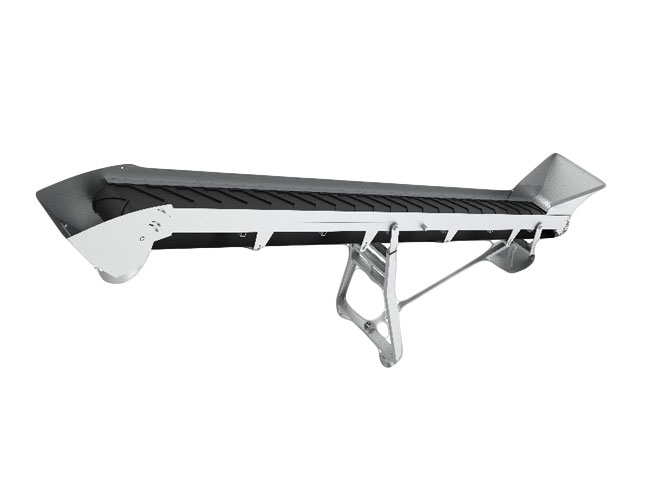
Its job is not only size reduction. The shredder also blends different waste types, helps the bulking agent spread evenly and turns the material into something a conveyor belt can carry. A whole cabbage or melon rolls on a belt and loads the mixer inside the machine; shredded material flows smoothly.
In short, the shredder standardizes the size, homogeneity and flow of the feed. The better that standard is met, the more predictable temperature and moisture control inside the compost machine become.
Why Does Particle Size Speed Up Composting?
Composting progresses as microorganisms break down organic matter starting from the surface of each piece. The smaller the piece, the larger the surface per unit volume. A simple geometric example: halving the edge of a cube doubles its surface area per unit volume.
More surface means microbial activity starts faster and temperature climbs more steadily into the 55–65 °C thermophilic range. Uniform pieces also create similar moisture and temperature throughout the machine, reducing cold cores inside large chunks that never heat up properly.
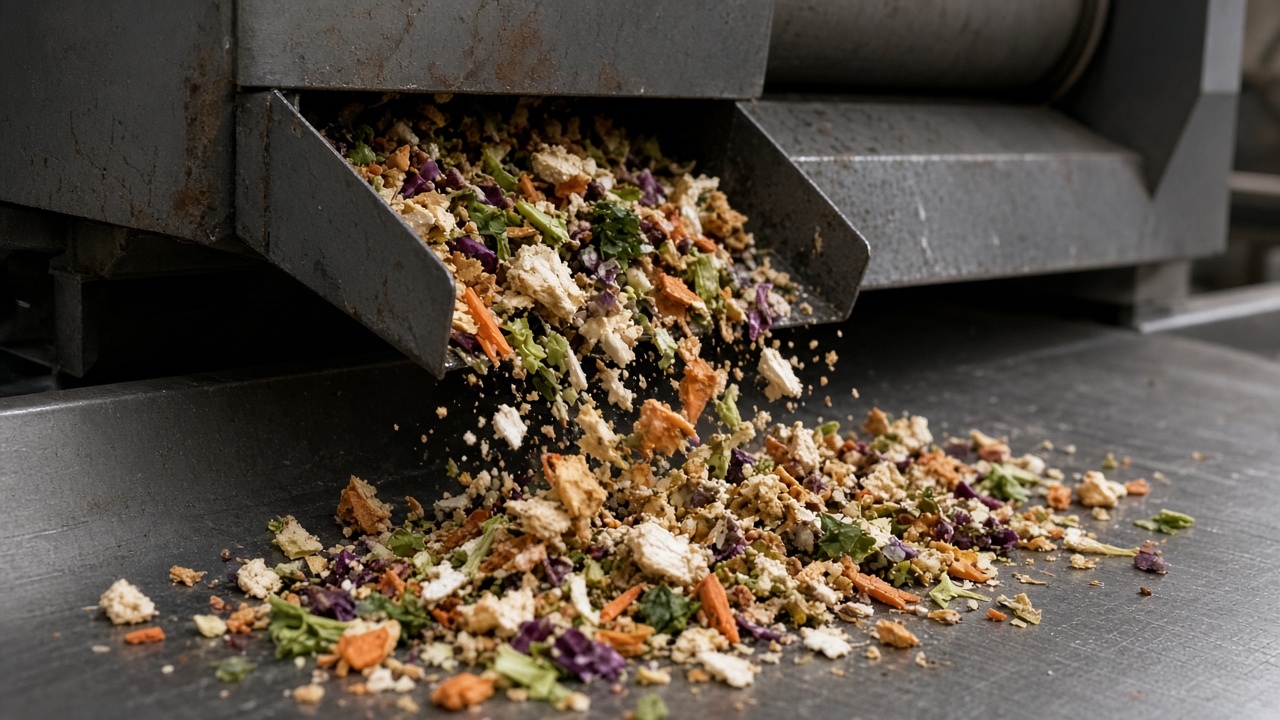
What Is the Ideal Particle Size for Composting?
Smaller is not always better. Waste shredded into a paste compacts, closes air spaces and blocks oxygen flow. That is why compost lines usually target a particle size of roughly 1–5 cm: surface area increases enough while the mix stays porous.
| Waste type | Recommended treatment | Watch out for |
|---|---|---|
| Whole fruit and vegetables | Shred to 1–5 cm | More leachate; balance with amendment |
| Mixed kitchen waste | Short shredding or direct feed | Internal mixing may suffice in small machines |
| Bread and bakery products | Shred | Prevents clumping, improves moisture spread |
| Garden waste, branches, leaves | Shred or grind | Becomes carbon-rich structure material |
| Packaging, metal, glass | Never into the shredder | Must be removed first |
The target size is set during the site survey together with waste moisture and the bulking agent used.
When Do You Need a Shredder?
Not every compost machine needs a separate shredder. In small restaurant or café machines, mixed kitchen waste is usually already small and the internal mixer may be enough. In installations, we recommend a shredder in these cases:
- Coarse streams: market waste, whole fruit and vegetables, bread and bakery returns.
- High volume: municipal and industrial lines where tonnes of waste per day are fed by conveyor.
- Structure material: shredding garden waste and branches on site to use as amendment.
- Mixing needs: when wet waste and dry amendment must be blended evenly.
Warning: A shredder is not a sorting machine. Plastic, metal and glass that pass through it are broken into small fragments that end up in the compost and damage the blades. Sort before shredding; see our article on contaminant removal in industrial composting.
How Is a Compost Line With a Shredder Laid Out?
A shredder performs only as well as its place in the line. A typical layout looks like this:
- Reception and weighing Waste is weighed, recorded and held temporarily in closed containers.
- Pre-sorting Packaging and contaminants are removed on a table or belt.
- Shredding Waste is fed into the shredder hopper and reduced to 1–5 cm pieces.
- Adding amendment Dry bulking agent is added to wet waste to bring moisture toward 50–60 %.
- Conveying The conveyor belt feeds the mix directly into the compost machine.
- Composting and curing The output from the in-vessel machine is cured for a few weeks.
Provide a drip tray for leachate under the shredder and clearance around it for maintenance and cleaning. Our article on space requirements for compost machine installation helps with layout planning.
How Do You Run a Shredder Safely and Efficiently?
The shredder takes more mechanical load than any other unit in the line. A few basic rules keep it safe and efficient:
- Never reach into the hopper; if it jams, stop the machine, isolate the power and lock it out.
- Check blades and shredding shafts regularly; dull blades increase particle size and motor load.
- Clean the hopper and outlet at the end of every shift; organic residue causes odour and hygiene problems.
- Feed shredded waste into the machine without delay; with its larger surface it decomposes much faster in storage.
These steps should be part of operator training and written into the maintenance plan. A well-maintained shredder also helps the compost machine run more evenly.
Tip: Feed the shredder together with the bulking agent; the dry material absorbs leachate immediately and helps keep the blades clean.
How Is the Shredder Used in ReBorn Cycle Lines?
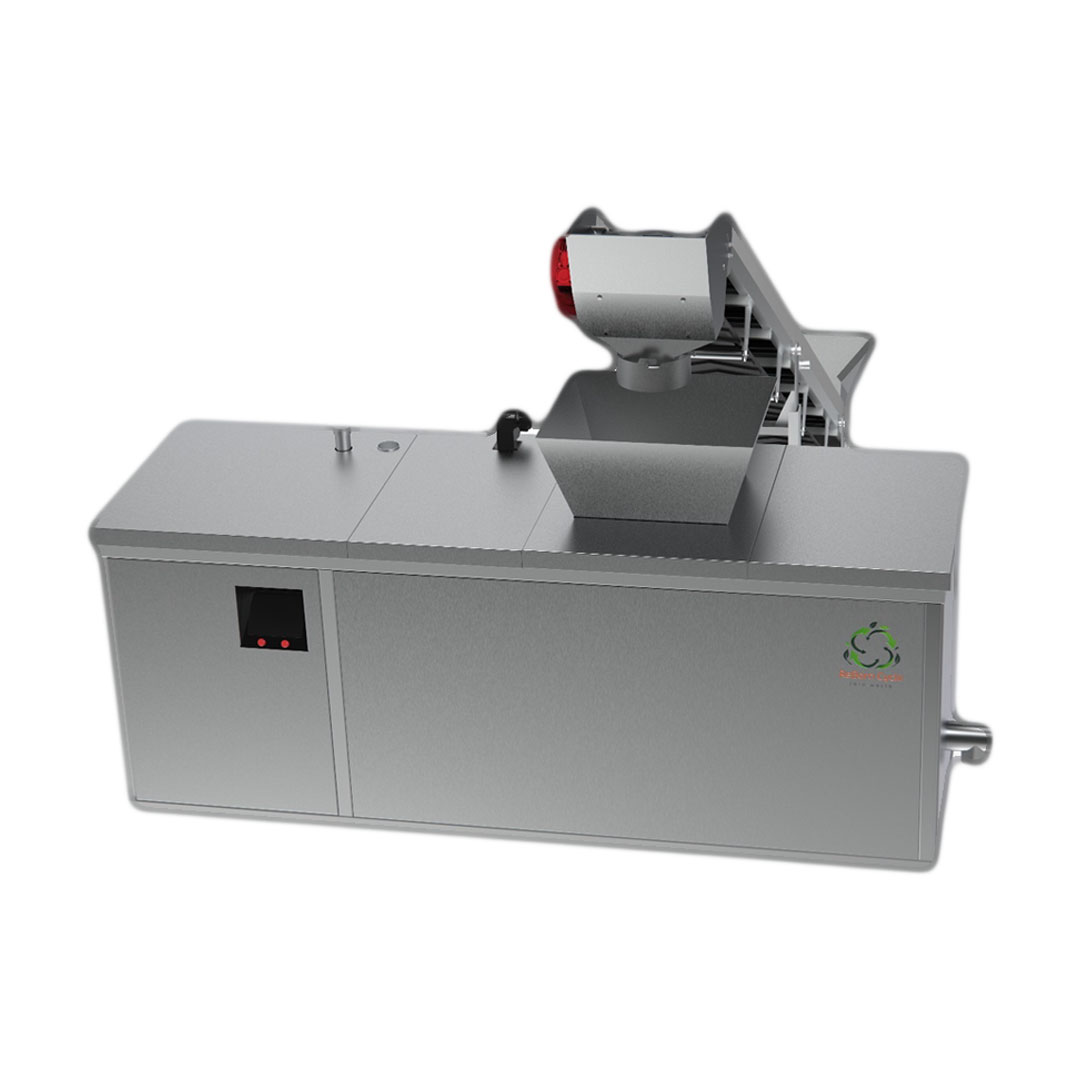
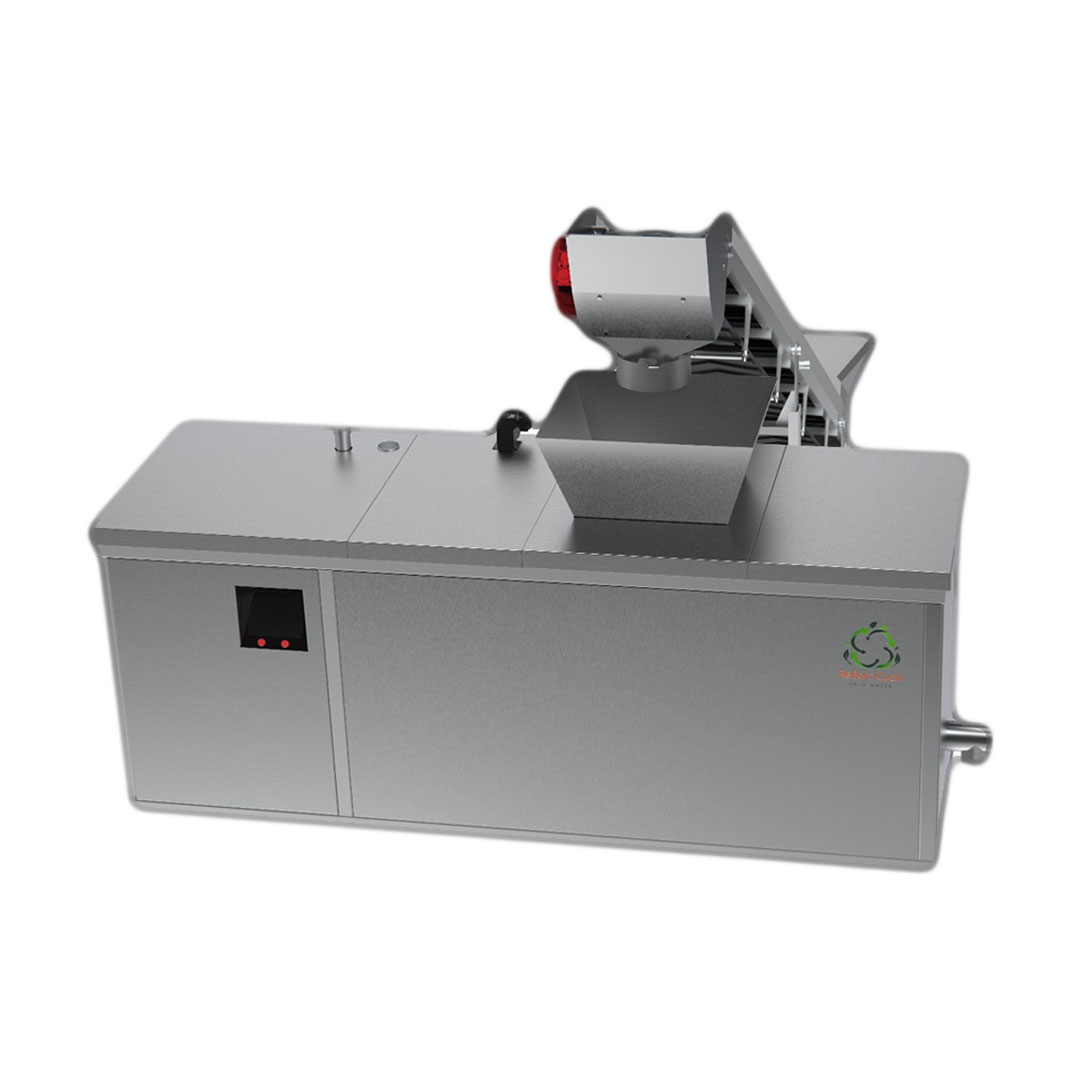
ReBorn Cycle plans the waste shredder as one line together with the conveyor belt and the in-vessel compost machine. In projects measured in tonnes per day, for example lines built around the RBN-C1000 Compost Machine or the RBN-C2500, the shredder is usually a standard part of the feed system.
Our closed machines control temperature, aeration and mixing. For kitchen waste with balanced moisture, the typical cycle is 24–48 hours; with fatty or irregular feeding it can exceed 48–72 hours. Shredded, homogeneous feed helps keep these times predictable. The output is a stabilized pre-compost, and a curing period of a few weeks is recommended depending on the end use.
Whether a shredder is needed, and which type, is decided during the site survey based on the waste profile; installation, operator training and after-sales service are provided by our in-house team.
Frequently asked questions
Does a compost machine always need a shredder?
Not always. In small restaurant machines, mixed kitchen waste is usually small enough and the internal mixer does the job. For coarse streams such as market produce, bread and garden waste, and for lines handling tonnes of waste per day, a shredder is necessary for efficient, consistent composting.
What size should waste be shredded to for composting?
A size of roughly 1–5 cm is the usual target. At this size, surface area increases enough for microbes and the mix stays porous. Waste shredded into a paste compacts and blocks airflow, while larger pieces break down slowly and unevenly.
Does a shredder shorten composting time?
Yes, indirectly. Smaller pieces offer more surface per unit volume, so microbial activity starts faster and temperature rises more steadily. The exact time still depends on waste moisture, the C/N ratio and the machine's operating conditions.
Can bones and packaging go into the shredder?
Packaging, metal and glass must never go into the shredder; they contaminate the compost and damage the blades. Large bones should also be removed because they break down very slowly and strain the equipment. Do the sorting on a picking table or belt before shredding.
Why does shredded waste release so much liquid?
Shredding ruptures fruit and vegetable cells and releases the water inside them. That is why a leachate drip tray belongs under the shredder, and shredded waste should be mixed immediately with dry bulking agent to bring moisture into the 50–60 % range.
How often should a shredder be maintained?
The hopper and outlet should be cleaned at the end of every shift, and the blades checked for wear at regular intervals. The exact interval depends on the amount and type of waste processed; build the maintenance plan from the manufacturer's instructions and your own operating data.
Let us determine together whether your waste profile needs a shredder and what the right line layout is; contact us for a site survey and capacity recommendation.